Introduction
Fernando de Noronha is the most protected, most expensive and most beautiful island most travellers have never quite figured out how to reach. It is a volcanic archipelago 350 kilometres off Brazil’s north-east coast, a UNESCO World Heritage site where the number of visitors is capped, two separate fees are compulsory, and the payoff is Baía do Sancho, repeatedly voted the best beach in the world, plus resident spinner dolphins, clear-water diving and turtle-nesting bays. It is not a spontaneous trip; it rewards planning.
This guide covers the parts other articles skip: exactly what the two mandatory fees cost in 2026, how to actually get there, the best beaches and how to reach the trickier ones, the diving and dolphin-watching, when to go, and how many days you need. No fluff, just what you need to plan the trip properly.
Table of Contents
Why Fernando de Noronha is different
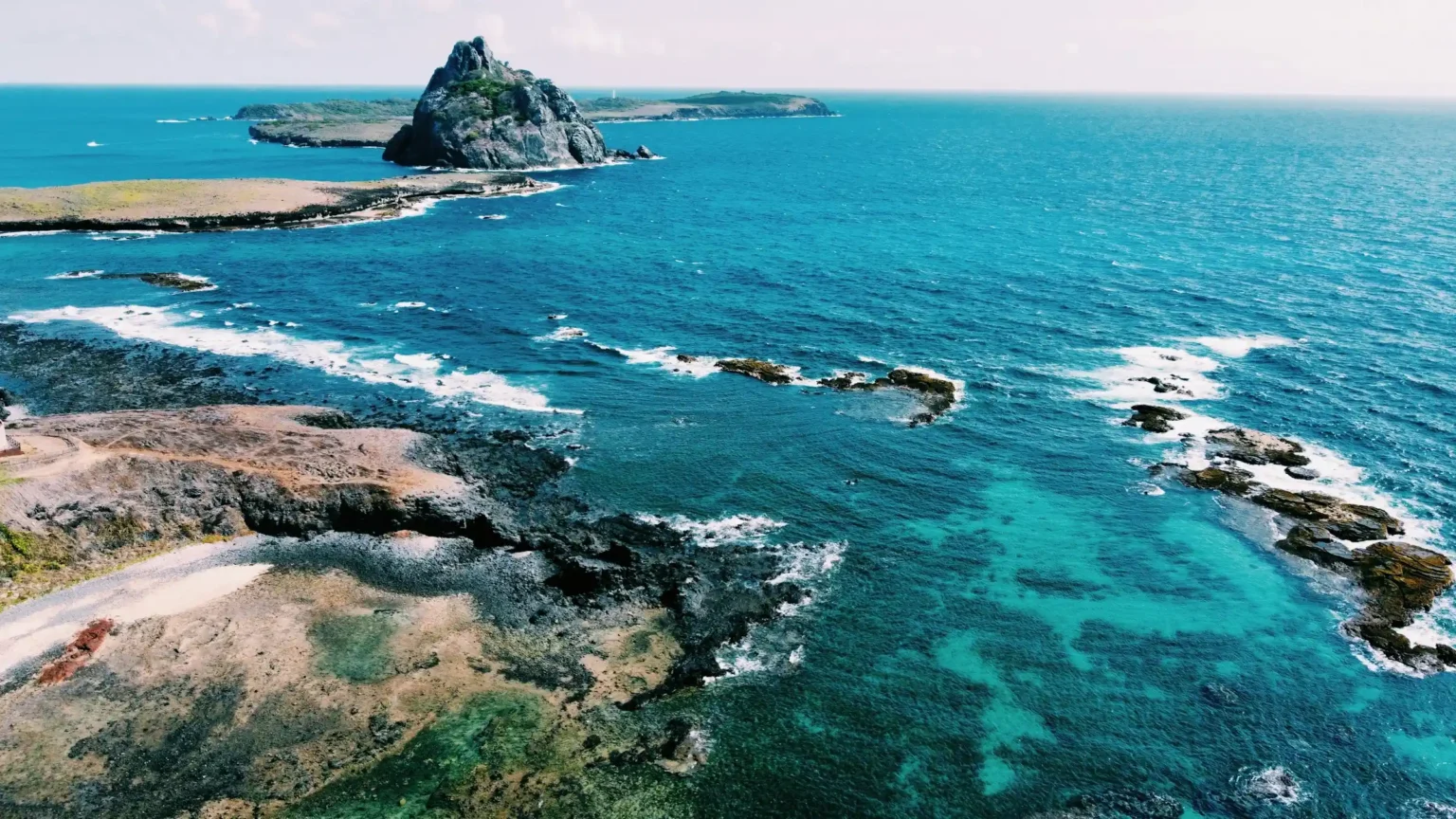
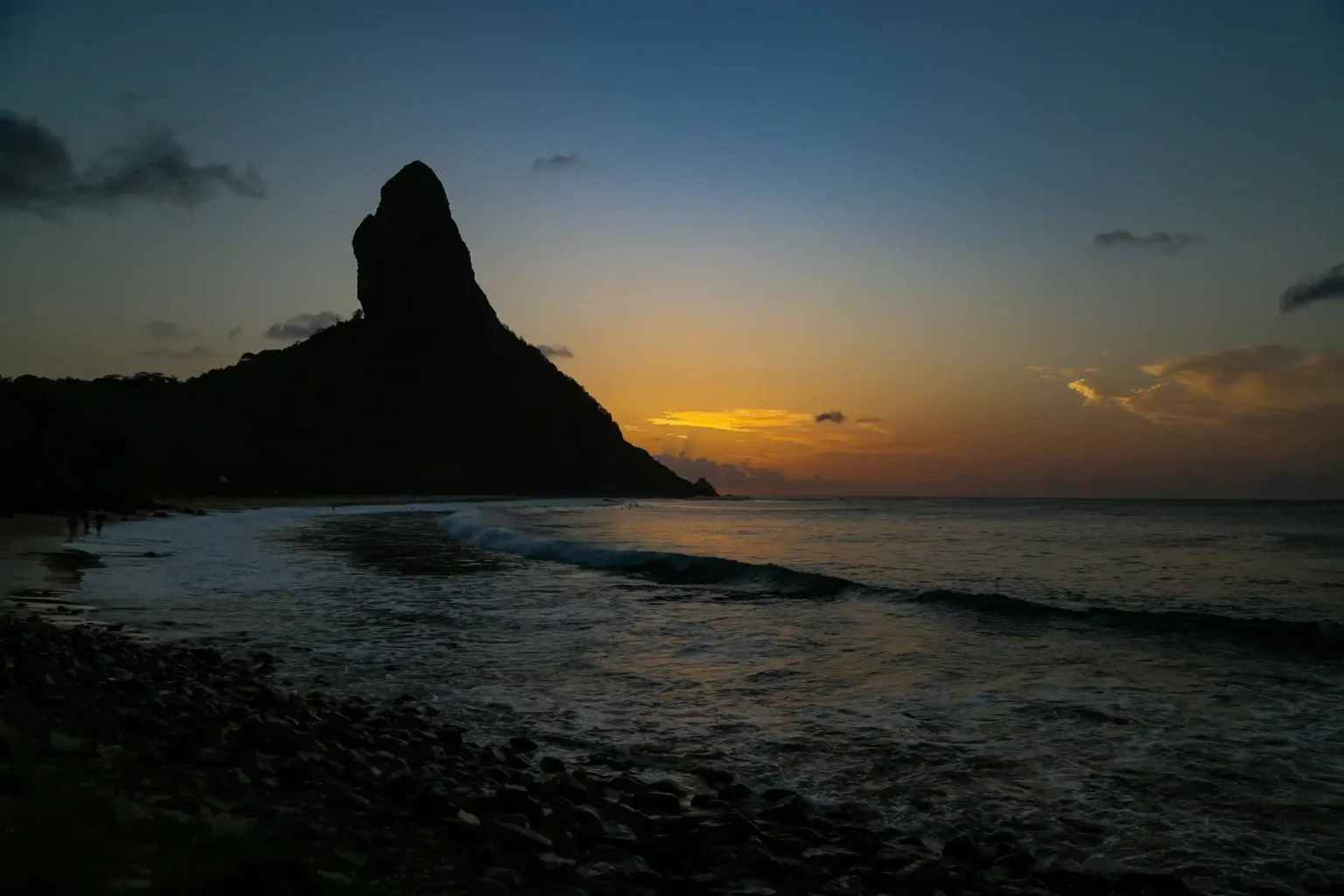
Only one of the 21 islands in the archipelago is inhabited, and it is small, around 17 square kilometres, dominated by the sharp volcanic spire of Morro do Pico (about 320 metres). Roughly half the island and the surrounding waters form the Marine National Park (PARNAMAR), one of Brazil’s most strictly managed protected areas, and the whole archipelago is a UNESCO World Heritage site.
That protection is the whole point. Brazil deliberately limits how many people can be on the island at once, which is why it never feels overrun the way mainland beach towns do. It also means access is gated: you pay to be here, some beaches have timed entry, and swimming is banned in the most sensitive spots to protect the wildlife. Understand that trade-off going in and Noronha makes sense; expect a cheap, do-anything beach holiday and it will frustrate you.
The fees and rules you must know first
Two separate, compulsory fees apply to every visitor, and neither is included in your flight or hotel. Budget for both before you come.
- Environmental Preservation Tax (TPA). Charged for every day you stay. In 2026 it starts at R$105.79 for the first day and increases progressively the longer you stay, so a week costs far more than seven times the first day. Pay it online in advance at the official district site (noronha.pe.gov.br) and keep the receipt; you will be asked for it.
- Marine National Park ticket (PARNAMAR / ICMBio). Needed to enter the national park, which includes Baía do Sancho, Baía dos Porcos, Sueste and most of the best trails. It costs R$384 for foreigners and R$192 for Brazilians, valid for 10 days. Buy it online at parnanoronha.com.br or at the ICMBio visitor centre on the island.
A few rules follow from the conservation status: you cannot enter or swim at Baía dos Golfinhos (the dolphins’ resting bay), sunscreen use is restricted in the marine park in favour of reef-safe cover, and some trails must be booked and done with a guide. None of it is onerous, but turning up unaware of the fees is the single most common mistake visitors make.
The best beaches in Fernando de Noronha
This is why most people come. The beaches on the sheltered north-west “Mar de Dentro” (inner sea) are calm and clear; the south-east “Mar de Fora” (outer sea) is wilder. These are the ones worth prioritising.
Baía do Sancho
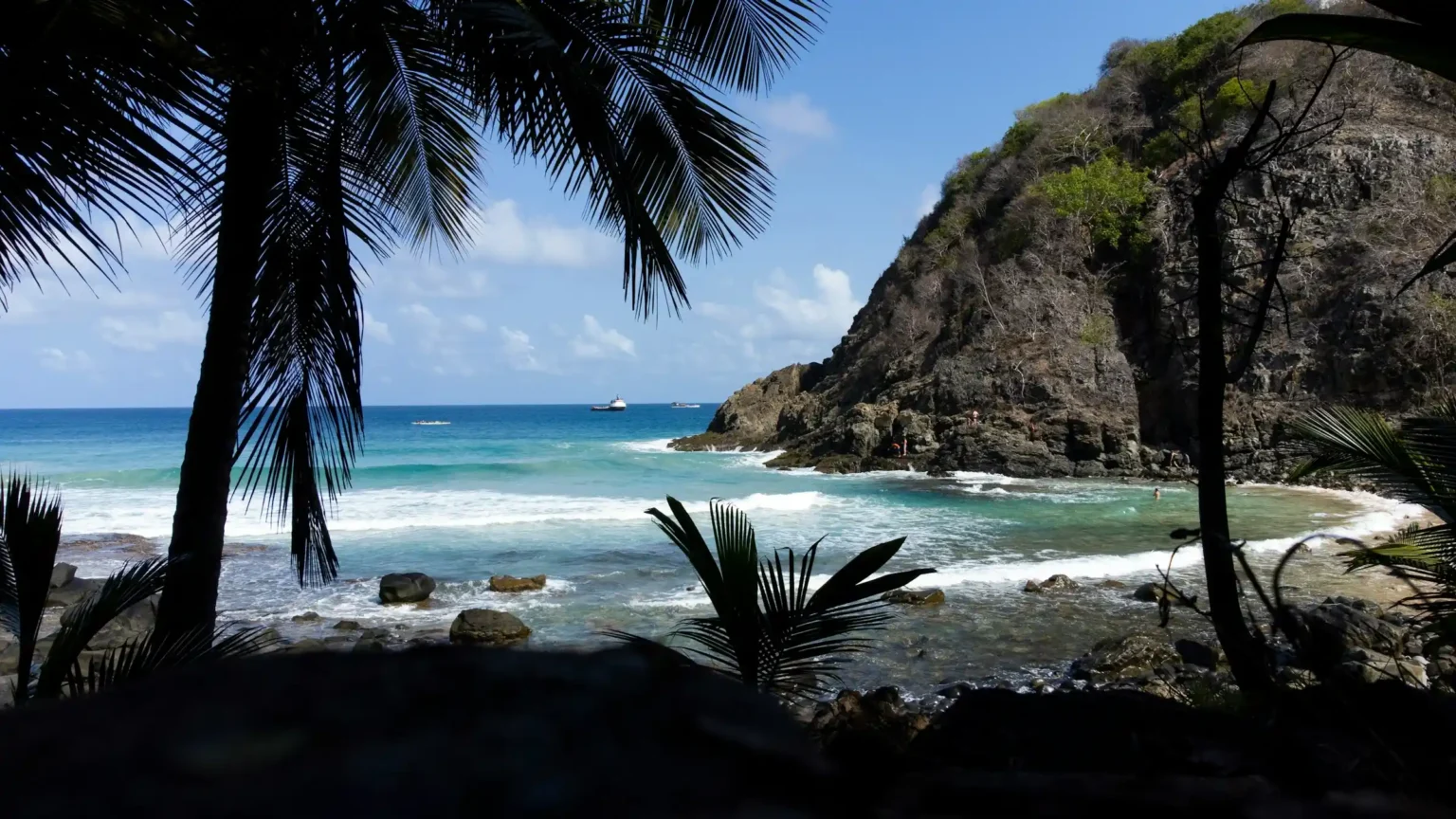
The headline act, repeatedly ranked the best beach in the world by TripAdvisor’s Travellers’ Choice awards: a curved bay of golden sand and clear turquoise water backed by a green cliff. Access is half the story. You either arrive by boat tour, or you climb down through a narrow cleft in the cliff on two nearly vertical steel ladders, with timed one-way access at busy periods. It sits inside the national park, so you need the PARNAMAR ticket. Go early for the light and the space.
Baía dos Porcos and Morro Dois Irmãos
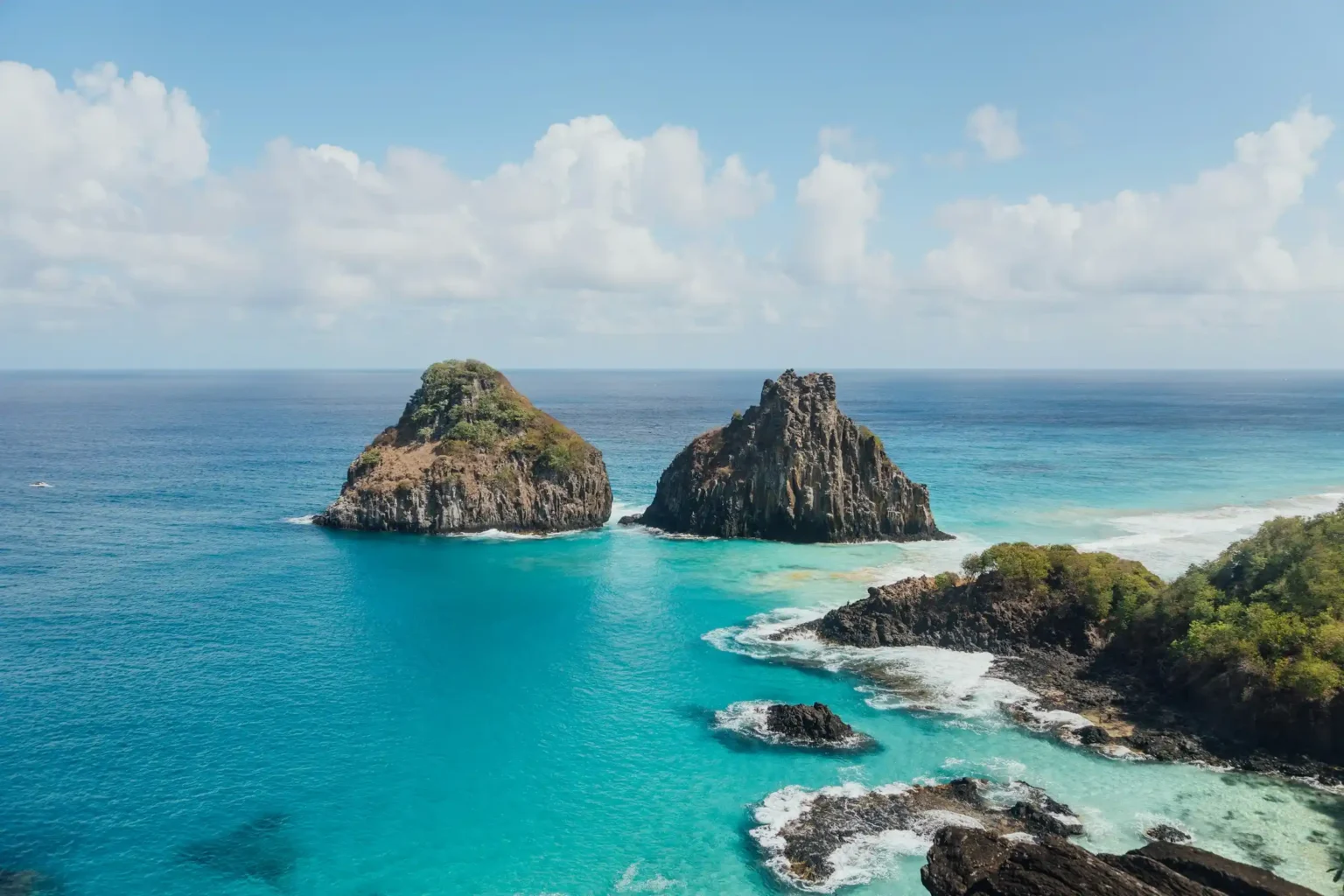
A tiny cove of rock pools right next to Sancho, framed by the island’s most photographed landmark: the Dois Irmãos (“Two Brothers”), twin volcanic rocks rising straight out of the sea. At low tide the natural pools fill with fish and it is superb, if shallow, snorkelling. It is small, so it fills up; combine it with Sancho in one national-park visit.
Praia da Conceição and Praia do Meio
The most accessible good beaches, right below Morro do Pico and free to enter (no park ticket needed). Conceição is over a kilometre of sand with beach bars, decent surf in season and a relaxed crowd; Meio, next door, is smaller and one of the best sunset spots on the island. Easy to reach by buggy or the island bus.
Baía do Sueste
The best place to snorkel with wildlife: a protected reef bay on the south coast where green sea turtles and small reef sharks feed, alongside the only mangrove on a South Atlantic oceanic island. Entry needs the park ticket, life jackets are compulsory, and you must keep your distance from the turtles. Visibility is best at higher tide.
Praia do Leão and Cacimba do Padre
Praia do Leão on the wild south coast is a long, beautiful, current-swept beach and the island’s main green-turtle nesting site from December to May, when parts are closed to protect the nests. Cacimba do Padre, on the north coast beneath the Dois Irmãos, is the surf beach: flat much of the year, but home to legendary swells from December to March.
The best things to do
Beaches aside, Noronha is one of the best places to get in the water anywhere in the Atlantic.
- Snorkelling. Start at Sueste (turtles and reef sharks) and the rock pools at Baía dos Porcos. The water is warm and clear, and you will see marine life without a boat.
- Scuba diving. Noronha has some of Brazil’s clearest water, with visibility often 30 to 40 metres, warm year-round, and dives ranging from reefs and caves to the wreck of the Corveta Ipiranga. There are several dive operators on the island; book directly and in advance.
- See the spinner dolphins. Baía dos Golfinhos hosts one of the largest resident dolphin populations on Earth, present on the great majority of days. You watch from the clifftop viewpoint (Mirante dos Golfinhos), best early morning; entering the bay is forbidden. Dolphins are also commonly seen from boat tours.
- Take the island boat tour. The classic passeio de barco runs along the north coast from Santo Antônio port, passing Sancho, Porcos and the Dois Irmãos, usually with a snorkelling stop and, often, dolphins alongside the boat.
- Hike the trails. Several national-park trails, including the Atalaia reef pool and longer coastal routes, must be booked in advance and done with a guide. Atalaia in particular has strict daily quotas.
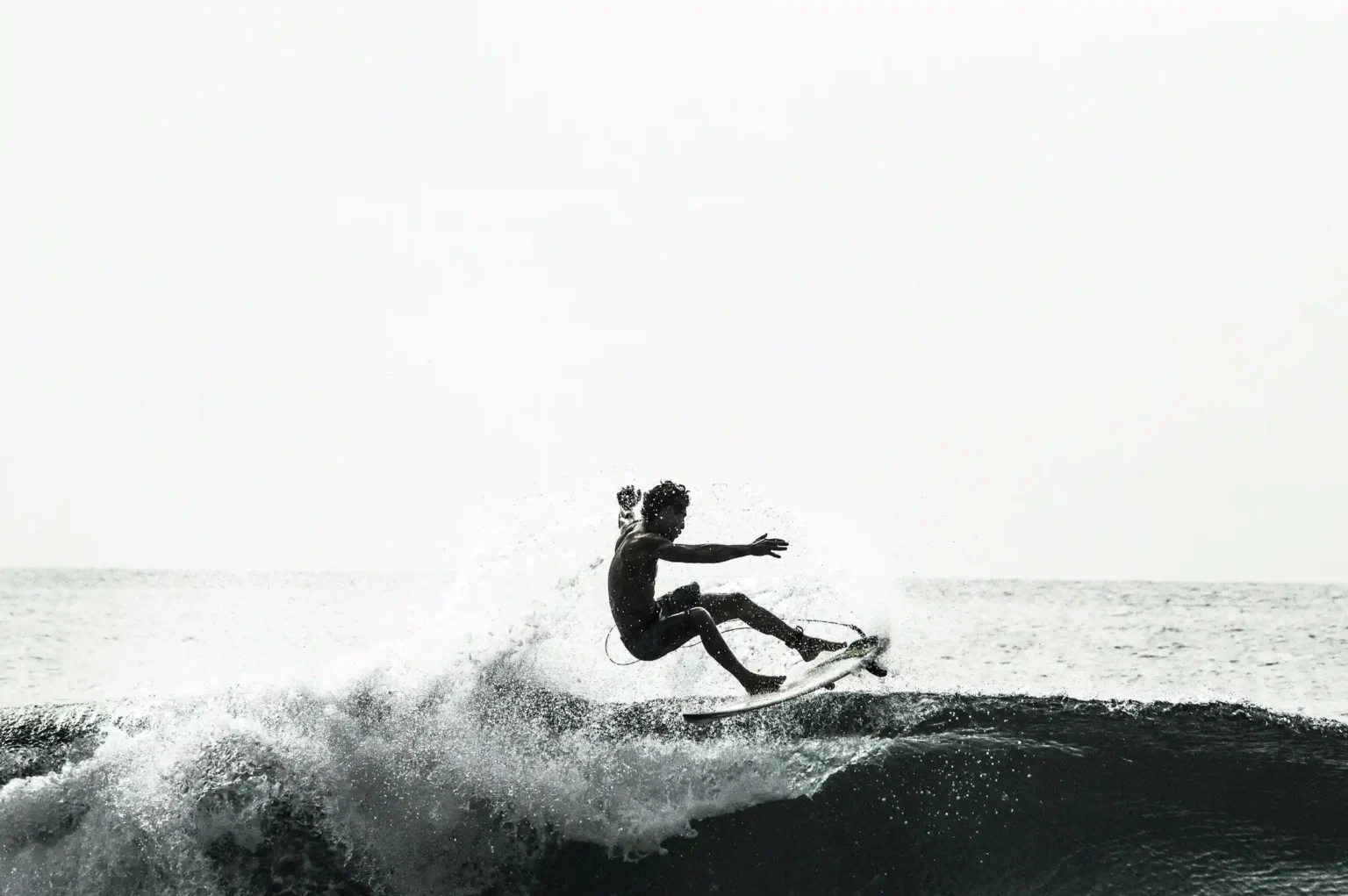
- Surf the season. From December to March, Cacimba do Padre draws surfers from across Brazil for its powerful barrels; outside that window the same beaches are calm.
How to get to Fernando de Noronha
There is only one way in: fly. The island’s airport (airport code FEN) is served by scheduled flights from just two mainland cities, Recife and Natal, both in Brazil’s north-east.
- From Recife (Pernambuco): the main gateway, with the most flights, roughly a 1 hour and 20 minute flight, operated by Azul and GOL.
- From Natal (Rio Grande do Norte): a shorter hop of around 55 minutes, flown by Azul, GOL and LATAM.
You reach Recife or Natal by connecting through São Paulo, Rio or another Brazilian hub. Seats to Noronha are limited and sell out well ahead in high season, so book early, and expect the flight to be one of the pricier legs of any Brazil trip. Because the whole trip hinges on tight connections through the mainland, it is worth checking whether travel insurance is worth it for the itinerary.
Getting around the island
The island is small, and there are three realistic options:
- Rent a buggy. The classic Noronha choice and the most flexible way to reach the scattered beaches and viewpoints. Expect roughly R$250 to R$450 a day, more in peak season, and book ahead as the fleet is limited. Many are older vehicles; check it over before you drive off.
- The island bus. A cheap public bus runs the length of the main road (BR-363) from Sueste to the port every 30 minutes or so, and it is a genuinely useful budget option.
- Taxis. Readily available for point-to-point trips and airport transfers, though not cheap. Some visitors skip the buggy and mix the bus with taxis and boat tours.
Best time to visit Fernando de Noronha
Noronha works year-round, but the seasons are quite distinct and change what the island is good for.
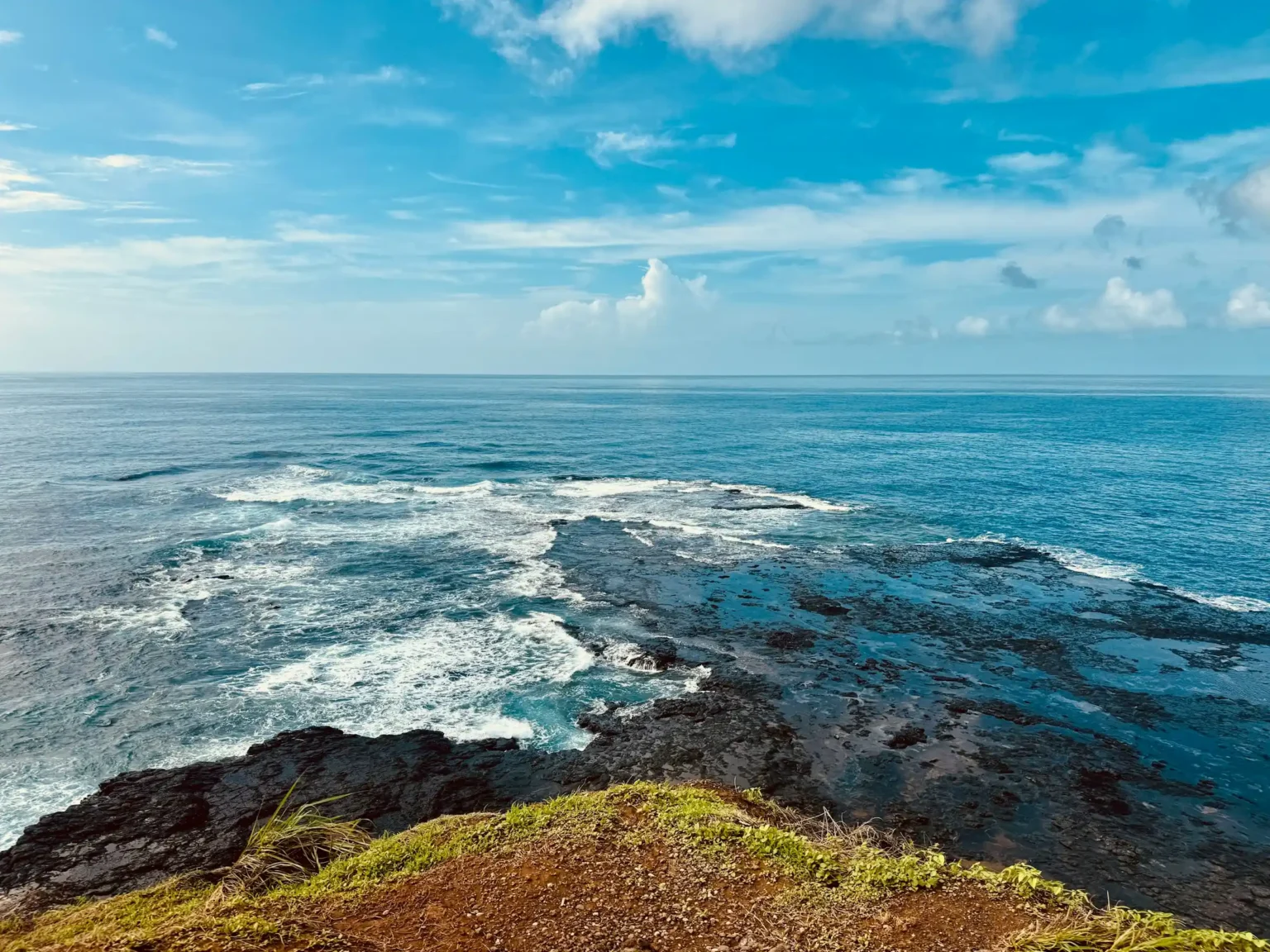
Dry season, roughly August to January, is the postcard version: sunny skies, calm, clear seas and the best conditions for snorkelling, diving and the inner-sea beaches. It is also the busiest and most expensive, so book far ahead.
Surf season, December to March, brings big north-coast swells to Cacimba do Padre, ideal for experienced surfers but rougher water and less visibility for snorkelling on that side. The wetter months, February to July, see short, heavy showers, a greener landscape, fewer people and lower prices; the diving stays good. Green turtles nest at Praia do Leão from December to May, when parts of that beach are closed.
Where to stay
Almost all accommodation is in family-run pousadas (guesthouses) rather than big hotels, and by law they are limited in number, which keeps both supply and standards in check and prices high. Most cluster in and around Vila dos Remédios, the island’s small main village, and the neighbouring Floresta areas, which put you central to restaurants, the port and the main beaches.
Prices run from simple guesthouses to a few genuinely luxurious boutique pousadas with plunge pools and Morro do Pico views, but even budget rooms cost more than the mainland equivalent. Book months ahead for the dry season, and factor the two compulsory fees into your total. Our packing list generator can build you a list for a beach, boat and hiking trip like this one.
A 3 to 5 day itinerary
Three full days is the sensible minimum; four or five lets you dive and slow down. A workable plan from a Vila dos Remédios base:
- Day 1: settle in, sort your buggy and fees, and ease into the accessible free beaches, Conceição and Meio, finishing with sunset at Meio or the Boldró fort.
- Day 2 (national park): early start for Baía do Sancho and Baía dos Porcos with your PARNAMAR ticket, then snorkelling with turtles at Sueste in the afternoon.
- Day 3 (water day): the morning boat tour along the north coast for dolphins and snorkelling, then the Mirante dos Golfinhos viewpoint, or a dive if you are certified.
- Days 4 to 5 (optional): a booked trail such as Atalaia, the wild south-coast beaches and Praia do Leão, more diving, or simply a slow beach day before flying out.
Conclusion
Fernando de Noronha asks more of you than most beach destinations: two fees, limited flights, timed access and a real budget. It gives back the clearest water, the least crowded world-class beaches and some of the best wildlife encounters in the Atlantic, precisely because of those restrictions. Pay the fees, book the flights and pousada early, get to Sancho at opening and watch the dolphins at dawn, and you will understand why the people who make it here rarely stop talking about it. For another island that repays the effort of reaching it, see our Bora Bora travel guide.
Frequently asked questions
How much does it cost to visit Fernando de Noronha?
Beyond flights and lodging, two fees are mandatory: the environmental tax (TPA), from about R$105.79 for the first day and rising with each extra day, and the national park ticket at R$384 for foreigners (R$192 for Brazilians), valid 10 days. Overall, Noronha is one of Brazil’s most expensive destinations.
How do you get to Fernando de Noronha?
Only by plane. Scheduled flights run from just two Brazilian cities, Recife (about 1 hour 20 minutes) and Natal (about 55 minutes), with Azul, GOL and LATAM. You connect to those cities through São Paulo, Rio or another hub. Seats are limited, so book early.
How many days do you need in Fernando de Noronha?
Three full days is the practical minimum to see the main beaches, snorkel at Sueste and take the boat tour. Four to five days is better, giving you time to dive, hike a booked trail like Atalaia, reach the wild south-coast beaches, and enjoy the island at a slower pace.
What is the best beach in Fernando de Noronha?
Baía do Sancho, repeatedly voted the best beach in the world, is the standout: turquoise water and golden sand reached by boat or a steep cliff-ladder. Baía dos Porcos next door, framed by the Dois Irmãos rocks, and the turtle-filled Baía do Sueste are close behind.