Spain runs to its own rhythm, and understanding it makes any visit richer. Meals come late, afternoons slow down, greetings are warm, and life spills out into the streets and plazas well into the night. None of it is hard to follow, but knowing the customs in advance helps you relax into the Spanish pace rather than fight it. This guide covers the cultural customs in Spain worth knowing, from daily life and dining to greetings, festivals, and simple etiquette for visitors.
The Spanish daily rhythm
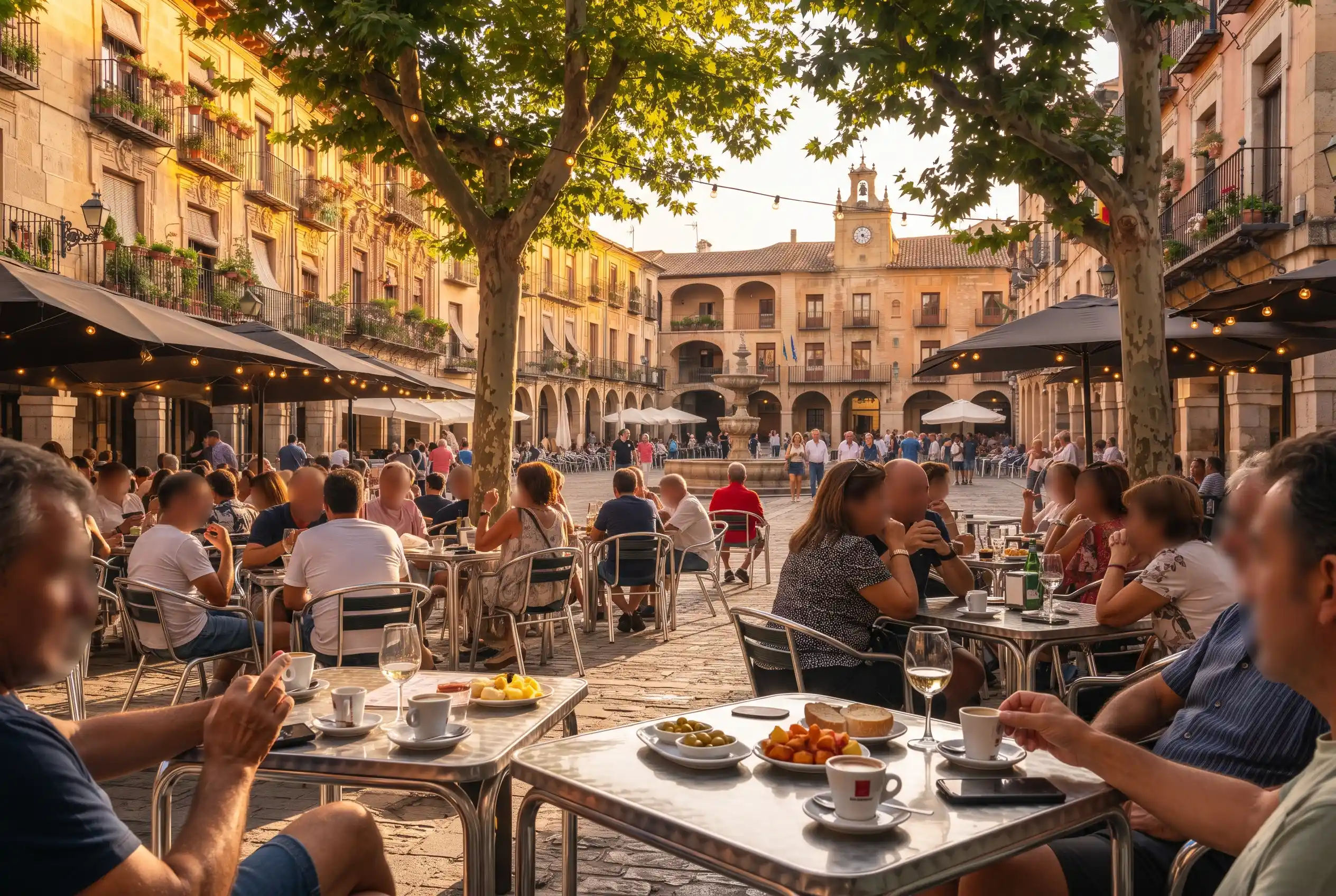
Spain eats and lives later than most of Europe. Lunch, the main meal of the day, runs from about 2 to 4 in the afternoon, and dinner rarely starts before 9 in the evening. Many smaller shops still close for a long midday break, the traditional siesta, then reopen in the late afternoon and stay open into the evening. After a meal, Spaniards linger at the table for the sobremesa, the cherished time spent talking over coffee once the plates are cleared.
Greetings and social customs
Spaniards are warm and tactile. The usual greeting between people who know each other, and often on first meeting socially, is two kisses on the cheek, starting with the right, though men often just shake hands or embrace. People stand closer and speak more loudly than in northern Europe, which reads as friendly rather than rude. Family and friends are central, social life happens in public, and an evening stroll, the paseo, to see and be seen is a daily ritual in many towns.
Dining and tapas etiquette
Eating is social and unhurried. Tapas are small plates meant for sharing, often eaten standing at a bar while moving from place to place, and in some cities like Granada they still come free with a drink. Meals are leisurely, and rushing a waiter or asking for the bill too soon can feel abrupt, so you usually request it when you are ready. Tipping is modest: rounding up or leaving a little change is normal, not the large percentages expected elsewhere. Our global tipping calculator shows the local norm at a glance.

Festivals and traditions
Spain loves a festival, and they reveal the country at its most vivid. Semana Santa, the solemn Holy Week processions, fills the streets before Easter, especially in Seville. The Feria de Abril brings flamenco, horses, and colour to Seville in spring. La Tomatina is the famous tomato fight near Valencia, and Las Fallas fills Valencia with giant sculptures and fireworks. Each region guards its own traditions fiercely, so the celebrations change as you travel.

Regional diversity
Spain is not one culture but many. Catalonia, the Basque Country, Galicia, and others have their own languages, foods, and strong local identities alongside Spanish. A greeting or a dish that is normal in Andalusia may differ in the north. Treating these regional identities with respect, and learning a few words of the local language, goes a long way and is warmly received. For planning when to go, our guide to the best countries to visit in November covers Spain’s mild shoulder season.
Frequently asked questions
What time do Spanish people eat?
Later than most of Europe. Lunch, the main meal, is around 2 to 4 in the afternoon, and dinner rarely starts before 9 in the evening. Many restaurants do not open for dinner until 8 or later.
How do people greet each other in Spain?
Socially, two kisses on the cheek are common, starting with the right, while men often shake hands or embrace. In formal or business settings a handshake is standard. Spaniards tend to stand close and speak warmly.
Do you tip in Spain?
Tipping is modest and not obligatory. Rounding up the bill or leaving a little small change in a restaurant is normal, and there is no expectation of the large percentages common in some other countries.
What is the siesta, and does it still happen?
The siesta is the traditional midday break. In big cities fewer people actually nap now, but many smaller shops and businesses still close for a few hours in the early afternoon and reopen later, staying open into the evening.
What is the sobremesa?
The sobremesa is the time spent lingering and chatting at the table after a meal, often over coffee or a drink. It is an important social custom in Spain, so do not expect or rush to leave as soon as the food is finished.
What are the most important festivals in Spain?
Among the best known are Semana Santa, the Holy Week processions, the Feria de Abril in Seville, Las Fallas in Valencia, and La Tomatina tomato fight near Valencia. Many towns also hold their own local saint’s day festivals.
Language and everyday etiquette
A little language goes a long way in Spain. Learning a few words of Spanish — a greeting, please and thank you — is appreciated everywhere, but remember that Spain is multilingual: Catalan, Basque and Galician are spoken alongside Castilian Spanish in their regions, and acknowledging that difference is part of travelling respectfully. In shops and at markets, it is polite to greet with a buenos días on entering rather than launching straight into a request.
Other small customs smooth daily life. Tipping is modest and not obligatory — rounding up or leaving a little for good service is normal, not the large percentages expected elsewhere. At a busy counter or bakery, ask ¿quién es el último? — who is last — to find your place in the informal queue. And bear in mind the relaxed sense of time socially, where meeting a few minutes late is unremarkable, even though business and transport run punctually.