Cornwall has more than 300 beaches, and they are the main reason millions of people head to England’s far south-west every year. The coast splits into two very different characters: the north coast, battered by Atlantic swell with wide golden sands and the best surf in England, and the gentler, more sheltered south coast with its turquoise coves and calmer water. This guide picks the best beaches in Cornwall across both coasts and the far west around St Ives and Penzance, with the practical details — tides, parking and dog rules — that make or break a beach day.
| Beach | Area | Best for |
|---|---|---|
| Fistral | Newquay, north coast | Surfing and lessons |
| Perranporth | North coast | Families and walking (three miles of sand) |
| Watergate Bay | North coast | Watersports and families |
| Porthminster | St Ives | Calm swimming |
| Carbis Bay | St Ives Bay | Turquoise shallows |
| Sennen Cove | Far west | White-sand surf beach |
| Porthcurno | Far west | Scenery below the Minack Theatre |
| Kynance Cove | The Lizard, south coast | Turquoise water (best at low tide) |
| Gyllyngvase | Falmouth, south coast | Easy, calm swimming |
The best north coast beaches: surf and big sands
Fistral Beach in Newquay is the home of British surfing, a wide west-facing sweep that catches consistent Atlantic swell and hosts international competitions; it is the first stop for anyone wanting a lesson. Just south, Crantock Beach is a beautiful National Trust beach backed by dunes with a tidal river — lovely but with currents to respect. Holywell Bay, with its distinctive offshore rocks (and a cameo in Poldark), and Perranporth, a vast three-mile stretch of flat sand with a bar actually on the beach, are both superb for families and walkers.

Further along, Watergate Bay offers two miles of sand and watersports near Newquay; Polzeath is a popular, gently shelving surf-and-family beach on the north-east coast; and Gwithian and Godrevy, looking across St Ives Bay to the lighthouse that inspired Virginia Woolf, run into miles of dune-backed sand at low tide. Right in Newquay, Lusty Glaze is a dramatic cliff-ringed cove, while Hayle‘s three miles of golden Towans are among the biggest sands in the county.
A string of smaller north-coast gems reward the detour: Mawgan Porth and Bedruthan Steps (Carnewas), where giant rock stacks march across the sand below the cliffs; Treyarnon Bay and Harlyn Bay near Padstow; Porthtowan and Chapel Porth near St Agnes, backed by old tin-mining cliffs; and Trebarwith Strand near Tintagel, a wild, surf-pounded beach that all but disappears at high tide. Rock and Daymer Bay on the sheltered Camel Estuary offer calmer water popular with families and sailors.
St Ives, Penwith and the far west
The far west has some of Cornwall’s most photogenic beaches. In St Ives, Porthmeor faces the Atlantic (and the Tate St Ives), while Porthminster is a sheltered, golden town beach with calm water and a famous beach cafe. Nearby Carbis Bay has pale sand and turquoise shallows that genuinely look tropical on a sunny day.
At the very tip, Sennen Cove near Land’s End is a glorious white-sand surf beach, and Porthcurno, beneath the cliff-carved Minack Theatre, is one of the most beautiful beaches in Britain, with white shell-sand and clear water. Above it, Pedn Vounder is a stunning, steeply accessed cove with Caribbean-blue water — but it is tidal and partly clothing-optional, and the scramble down is not for everyone. Marazion, looking out to St Michael’s Mount, completes the west with a huge, easy-access beach you can walk at low tide toward the island causeway.
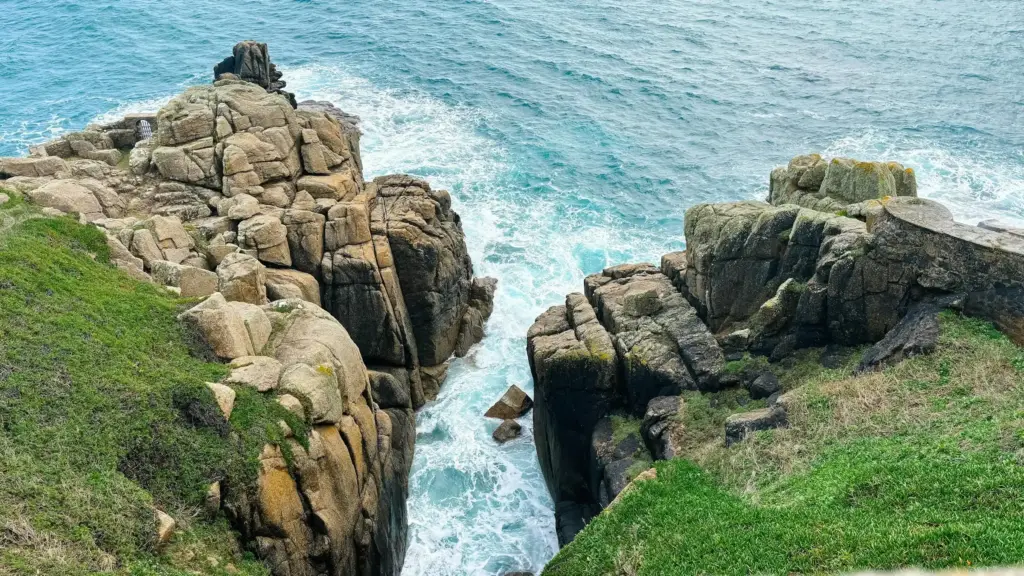
The south coast and the Lizard: calmer coves
The south coast is more sheltered, with clearer, calmer water ideal for swimming and snorkelling. The jewel is Kynance Cove on the Lizard Peninsula, a National Trust cove of serpentine rock stacks and turquoise water that is regularly called one of the most beautiful beaches in the world — best visited around low tide. Gyllyngvase in Falmouth is an easy town beach with a good cafe and calm swimming, while Praa Sands offers a long, family-friendly stretch between Penzance and Helston, and the pretty harbour beach at Porthleven and the twin bays of Kennack Sands on the Lizard are quieter alternatives. Many of the Lizard’s smaller coves — Kynance aside — reward a walk along the South West Coast Path, which links most of Cornwall’s beaches and is the best way to find your own near-empty stretch of sand even in August.
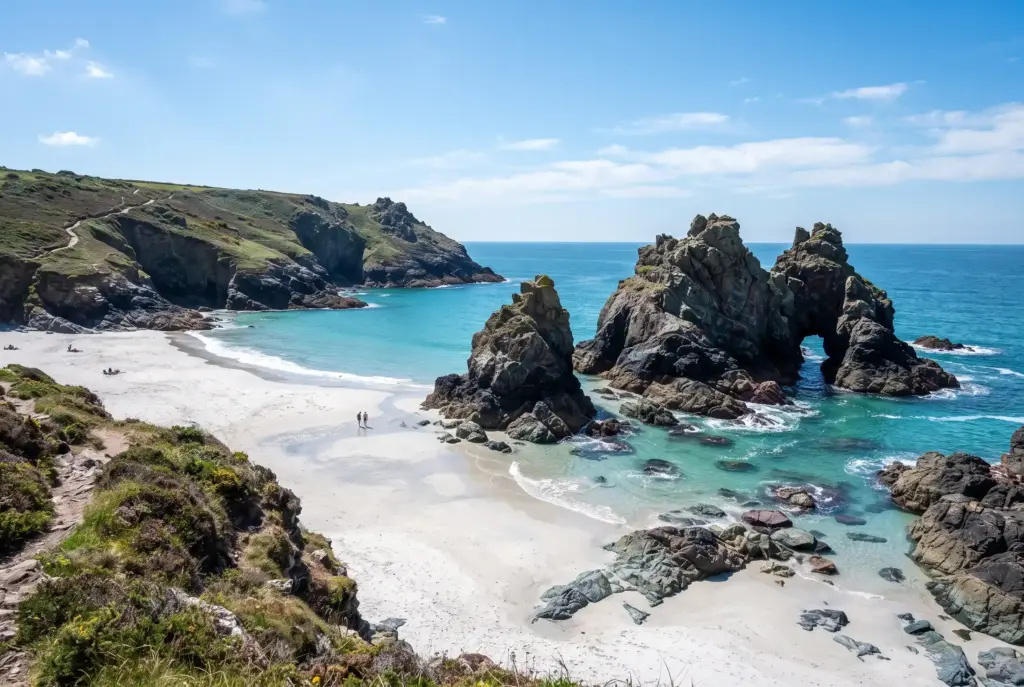
Beaches for families, swimming and dogs
For families, the big flat sands of Perranporth, Watergate Bay, Gwithian and Marazion give plenty of room and gentle entry. For swimming, the sheltered south-coast and St Ives Bay beaches — Gyllyngvase, Porthminster, Carbis Bay and Kynance Cove — generally have the clearest, calmest water, though always swim near a lifeguard where there is one. For surfing, head to Fistral, Sennen, Polzeath or Watergate Bay. Many popular beaches have seasonal dog bans (typically Easter to October between set hours), so check the specific beach if you are travelling with a dog — plenty of beaches remain dog-friendly year-round.
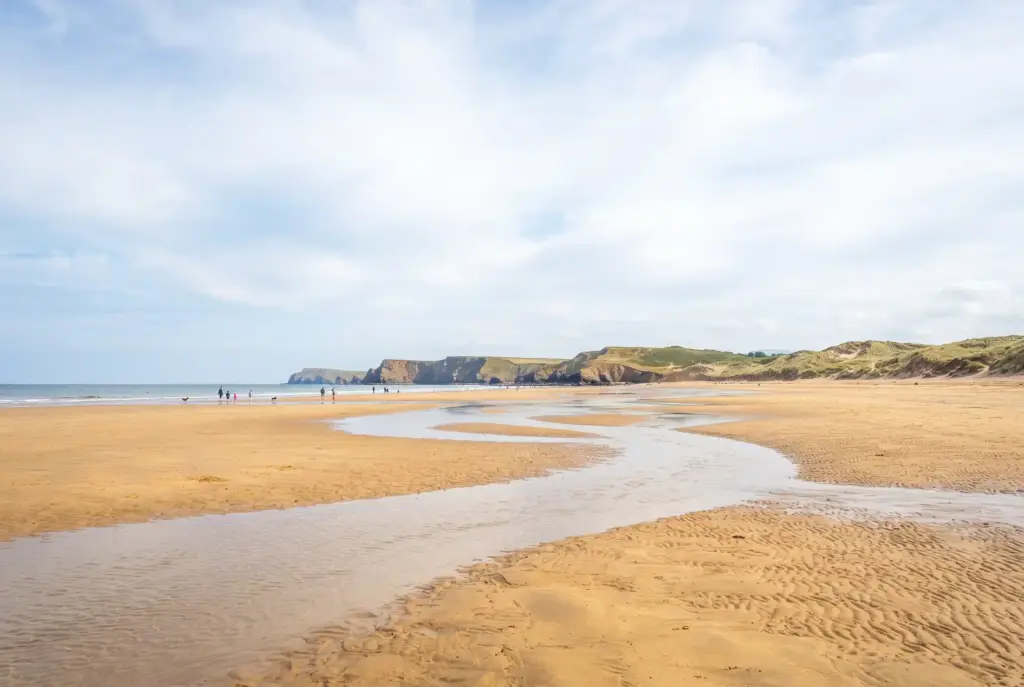
When to visit and how to beat the crowds
Cornwall’s beaches are busiest in the school summer holidays (late July and August), when parking, roads and the most famous beaches fill fast. For warm-enough sea and long days with far fewer people, June and September are the sweet spot, and lifeguard cover still runs on the main beaches through much of this shoulder season. Spring and autumn bring dramatic surf and empty sands, though the water is cold and you will want a wetsuit. Whenever you go, the simplest way to find space is to walk: step ten or fifteen minutes along the South West Coast Path from a busy car park and the crowds thin dramatically. Early mornings and evenings are also magic — the light is best, the car parks are emptiest, and north-coast sunsets over the Atlantic are unforgettable.
Planning a Cornwall beach day: tides, parking and safety
Two things catch visitors out. First, tides: several of the best beaches, including Crantock, Pedn Vounder and parts of the north-coast sands, change dramatically between high and low water, and a few coves can cut off — check a tide table and never get trapped below cliffs on a rising tide. Second, parking: popular beaches fill early in summer, so arrive before mid-morning or use park-and-ride where it exists; many car parks are cash-and-card National Trust or council sites. Finally, respect the sea — the Atlantic north coast has rip currents, so swim between the red-and-yellow flags when lifeguards are on duty (RNLI cover runs roughly from spring to autumn on the main beaches). Pack layers whatever the forecast; Cornish weather turns quickly.
Frequently asked questions
Which is the prettiest beach in Cornwall?
Kynance Cove on the Lizard and Porthcurno in the far west are the two most often named as Cornwall’s prettiest, for their turquoise water and dramatic cliffs. Pedn Vounder, just above Porthcurno, has arguably the most tropical-looking water but a steep, tidal access.
What are the best Cornwall beaches for families?
The big, flat, easy-access sands work best: Perranporth, Watergate Bay, Gwithian, Marazion and Polzeath all give plenty of room, gentle entry and (on the main beaches) seasonal lifeguard cover. Porthminster and Gyllyngvase are good sheltered town beaches.
Which Cornwall beach has the clearest water for swimming?
The sheltered south-coast and St Ives Bay beaches usually have the clearest, calmest water — Kynance Cove, Gyllyngvase, Porthminster and Carbis Bay are favourites. Always swim between the flags where lifeguards are on duty, and take care with tides and currents.
Which Cornwall beach looks like the Caribbean?
Pedn Vounder, Porthcurno, Carbis Bay and Kynance Cove are the beaches most often compared to the Caribbean, thanks to their white or pale sand and turquoise water on a sunny day. The colour is real; the water temperature is firmly Atlantic.
Are dogs allowed on Cornwall’s beaches?
Many beaches welcome dogs year-round, but the busiest ones have seasonal restrictions, typically from around Easter to October between set daytime hours. Check the specific beach before you travel, as the rules vary from beach to beach.