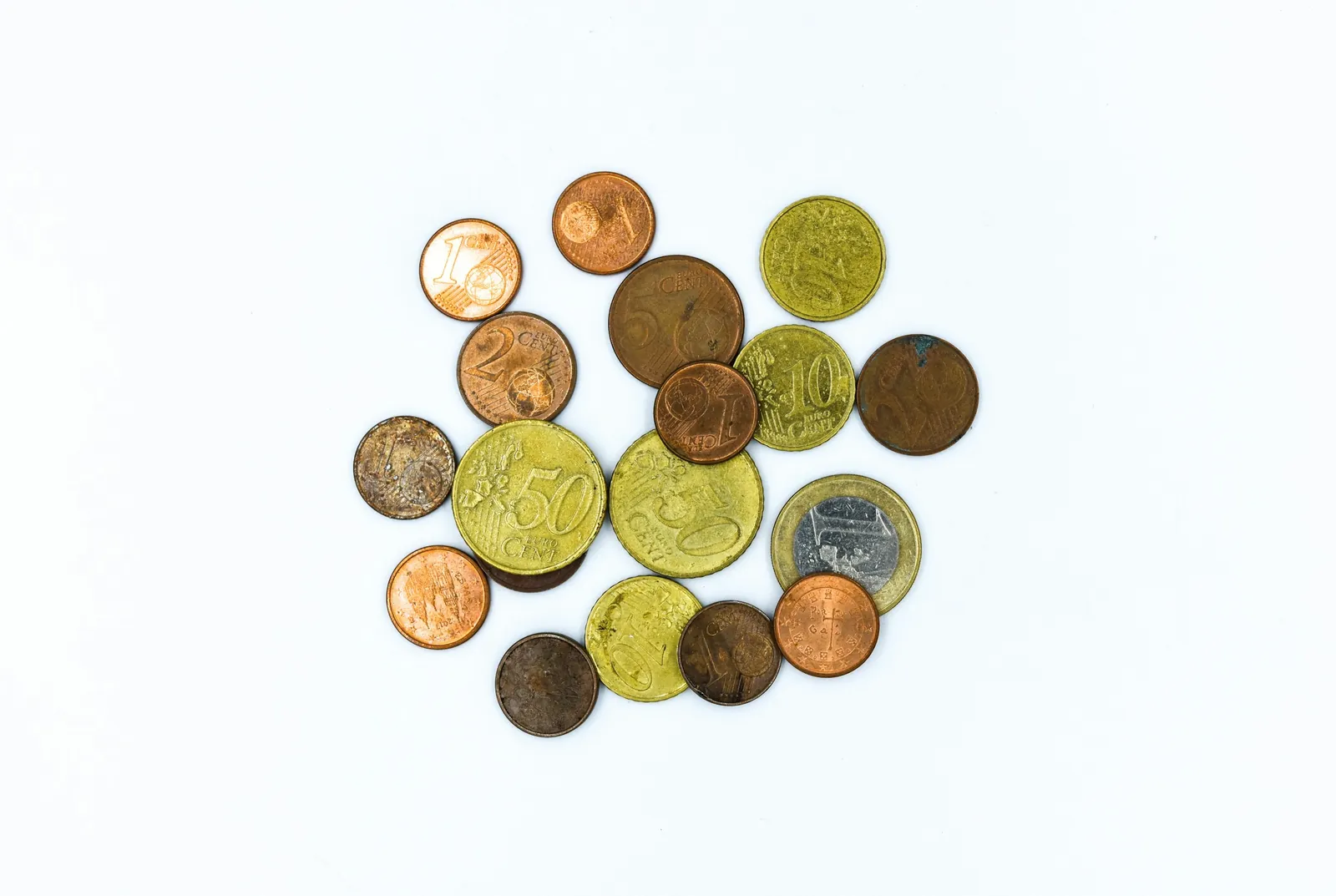
The best thing to do with foreign coins is to spend them before you fly home, because almost nobody will exchange them once you are back. Banks and bureaux de change deal in notes. Even Travelex’s UK Buy Back Promise applies to “foreign currency notes” only. If you still have a pocketful of change at the airport, you can donate it, convert it at a kiosk in some airports, or sell it to a specialist coin buyer.
Here are the options, in the order that gets you the most value from your leftover currency.
Last checked: 23 November 2026. We checked the fees and rules on this page against official sources.
What to do with foreign coins: your options
- Spend them: top up a transit card, buy snacks, or pay part of the bill in coins.
- Donate them: UNICEF’s Change for Good collects on several airlines.
- Convert them: Pocket Change kiosks in Japan turn coins into e-money or vouchers.
- Sell them: specialist buyers take coins, usually at a low rate.
- Old pre-euro coins: some, like Deutsche Mark coins, can still be exchanged.
Table of Contents
- Why exchanging foreign coins is so hard
- Spend them before you leave
- Donate them on the plane or at the airport
- Convert coins at a kiosk
- Sell leftover currency to a coin buyer
- What to do with old foreign coins
- Keep them for the next trip
- Frequently asked questions
Why exchanging foreign coins is so hard
Coins are heavy, bulky and low in value, so shipping them back to their home country costs more than many are worth. That is why currency exchanges buy back notes but rarely coins. The Travelex Buy Back Promise, for example, lets UK customers sell back unused “foreign currency notes” at the original rate within 45 days, for a £4.99 fee. Coins are not part of it.
So plan to run your coins down before you leave the country.
Spend them before you leave
- Pay part of a bill in coins. Hand over all your coins first and put the rest on your card. Most shops and cafés will do this without fuss.
- Top up a transit card on your last day. Many station machines accept coins.
- Buy food, water or a newspaper at the airport before security, where local currency is still accepted.
- Tip in coins where tipping is normal. Our global tipping calculator shows what is expected in each country.
- Withdraw less cash on the last days. Use cards for larger payments so you are not left with notes and coins at the end.
Donate them on the plane or at the airport
UNICEF has run Change for Good with airlines since 1991. Participating carriers collect unused currency, coins and notes, on international and sometimes domestic flights. UNICEF lists Aer Lingus, American Airlines, Asiana Airlines, Cathay Pacific, Cebu Pacific Air, easyJet, Japan Airlines and Qantas as current participants. Look for the envelope in the seat pocket or ask the cabin crew.
Many airports also have charity collection boxes past security, often in the departures area or near the gates. Any currency is usually accepted.
Convert coins at a kiosk
Japan has a neat answer. Pocket Change kiosks, found in airports and city locations, exchange notes and coins of various currencies into electronic money, vouchers or charity donations, and take only a few minutes. They are designed for visitors leaving Japan with yen and for Japanese travellers returning with foreign cash. Our Tokyo Haneda ATM and currency exchange guide covers the options at that airport.
Elsewhere, some supermarkets and stations have coin-counting machines, but these usually accept only the local currency.
Sell leftover currency to a coin buyer
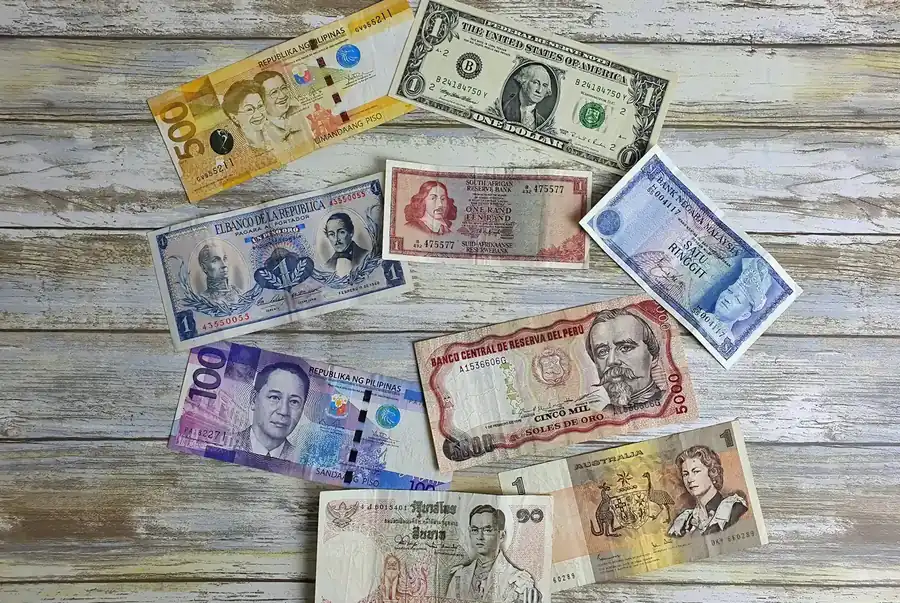
Specialist companies buy foreign coins and banknotes, including some currencies that are no longer in use. You post them a bag of mixed currency, they sort and value it, and pay you by bank transfer or donate it for you. Rates for coins are low compared with notes, and there is often a minimum value, so it works best when you have collected a large amount from several trips. Compare a few buyers’ rates and terms before posting anything.
Coin collectors and dealers are a different market. Unless a coin is rare or old, it is worth its face value or less.
What to do with old foreign coins
Coins from currencies that have been replaced, such as the pre-euro currencies, are not always worthless. Some central banks still exchange them. The Deutsche Bundesbank exchanges Deutsche Mark and Pfennig coins and notes for euros indefinitely and free of charge, at its branches or by post to its Mainz branch, at the official rate of €1 = DEM 1.95583. It does not accept a few early issues, such as the first DEM 2 coin minted in 1951.
Other countries set deadlines that have now passed, so check with the central bank of the country that issued the coins.
Keep them for the next trip
If you go back to the same country or currency zone often, keep a small travel wallet of coins for your next arrival. Euro coins work across all the eurozone countries, and having coins for a bus ticket or a trolley on arrival is useful. Check the limits on cash you can carry across borders with our customs cash limit checker if you are travelling with larger amounts.
Frequently asked questions
Can I exchange foreign coins at a bank?
Usually not. Banks and bureaux de change deal mainly in notes, because coins are heavy and expensive to return to their home country. Even Travelex’s UK Buy Back Promise covers foreign currency notes only.
What is the best thing to do with leftover foreign coins?
Spend them before you leave. Pay part of a bill in coins, top up a transit card, or buy food at the airport. If that is not possible, donate them or convert them at a kiosk.
Where can I donate foreign coins?
UNICEF’s Change for Good collects unused currency on participating airlines, including Aer Lingus, American Airlines, Cathay Pacific, easyJet, Japan Airlines and Qantas. Many airports also have charity collection boxes.
Can I sell foreign coins?
Yes, to specialist currency buyers, which accept coins and some old currencies, usually at a low rate and often with a minimum value. Rare coins can be sold to collectors.
Can I still exchange old Deutsche Mark coins?
Yes. The Deutsche Bundesbank exchanges Deutsche Mark coins and notes for euros indefinitely and free of charge, at its branches or by post, at €1 = DEM 1.95583.
What can I do with leftover yen coins in Japan?
Pocket Change kiosks in Japanese airports and cities turn notes and coins into electronic money, vouchers or charity donations in a few minutes.