The UK’s most famous historical landmarks — Stonehenge, the Tower of London, Edinburgh Castle — are famous for good reason, but they also come with queues, timed tickets and crowds. Britain is covered in sites that are just as remarkable and far quieter: Neolithic villages older than the pyramids, Roman forts where you can still read soldiers’ letters, Anglo-Saxon burial mounds and clifftop castles where you may have the ruins almost to yourself. Here are 15 lesser-known historical landmarks in the UK, off the beaten path and grouped by era. (For the big-name sights, see our guide to the top UK tourist attractions.)
Lesser-known UK landmarks in short
- Top picks: Avebury, Callanish, Castlerigg, Vindolanda, Sutton Hoo, Lindisfarne, Fountains Abbey and Dunnottar Castle are quieter alternatives to the big-name sights.
- Free: Avebury, Castlerigg, Callanish and the hill figures cost nothing, while other sites charge modest admission.
- Roman: Vindolanda holds the Vindolanda Tablets, wafer-thin wooden letters that are among the oldest handwritten documents in Britain.
- Tip: English Heritage, the National Trust, Historic Environment Scotland and Cadw care for many sites, so a membership or multi-site pass can pay for itself.
- Warning: Lindisfarne is reached across a causeway that floods with the tide.
Ancient stones and hill figures
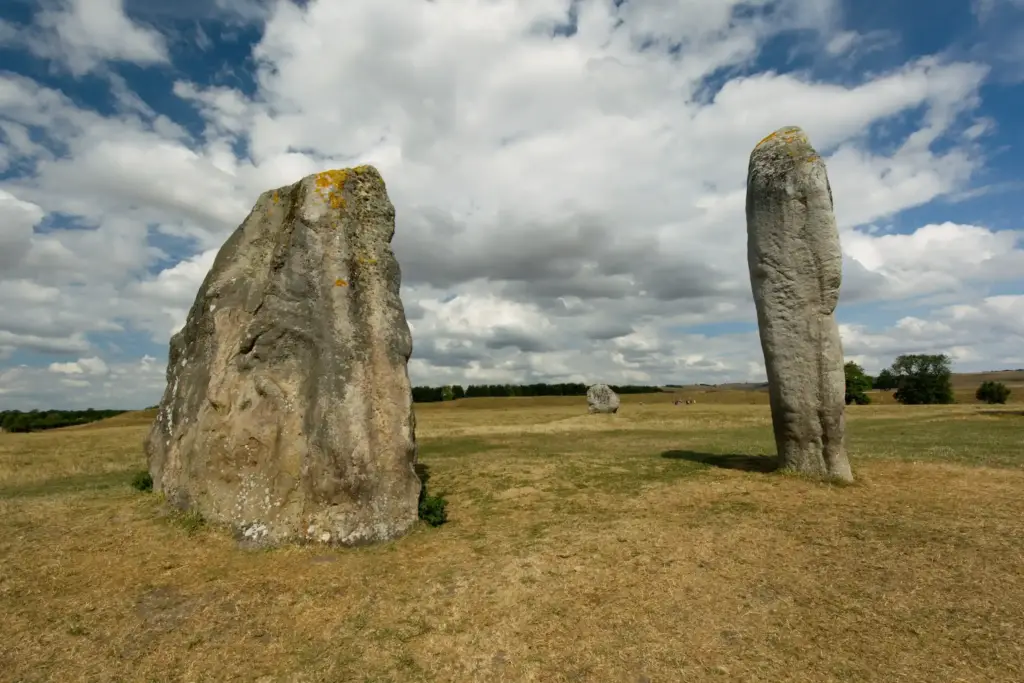
Everyone knows Stonehenge, but the stone circle at Avebury in Wiltshire is far larger, free to enter and quiet enough to walk among the stones with a whole village sitting inside the henge. In the Outer Hebrides, the Callanish Standing Stones on the Isle of Lewis form a haunting cross-shaped setting older than Stonehenge, while the Castlerigg Stone Circle near Keswick is ringed by Lake District fells in one of the most beautiful settings of any prehistoric site in Britain. Cut into the chalk downs are two extraordinary hill figures: the 3,000-year-old Uffington White Horse in Oxfordshire, Britain’s oldest, and the giant Cerne Abbas Giant in Dorset.
Hidden Roman Britain
Vindolanda, Caerleon and Fishbourne Roman Palace are the lesser-known Roman sites, with ancient wooden letters, Britain’s most complete Roman amphitheatre and the country’s largest in-situ mosaics.
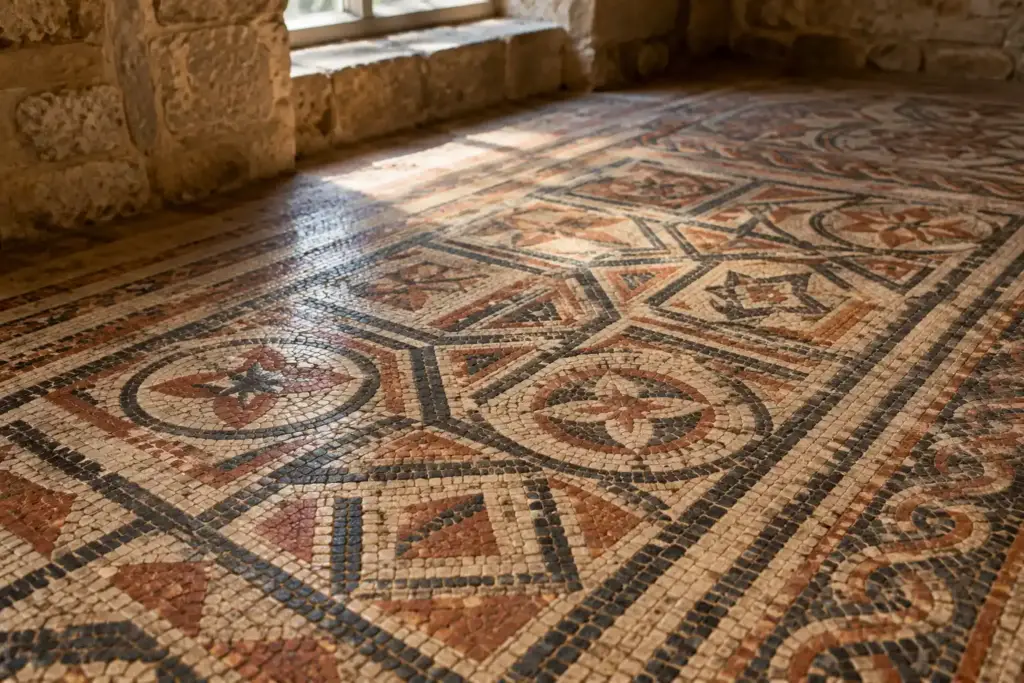
Most visitors to Hadrian’s Wall stop at the famous forts, but Vindolanda, just south of the Wall, is where ongoing excavations have uncovered the Vindolanda Tablets — wafer-thin wooden letters, including a birthday invitation, that are among the oldest handwritten documents in Britain. In south Wales, the Roman fortress of Caerleon has the most complete Roman amphitheatre in Britain alongside barracks and baths, and on the south coast Fishbourne Roman Palace near Chichester preserves the largest collection of in-situ Roman mosaics in the country.
Lost kingdoms: Anglo-Saxon and early medieval
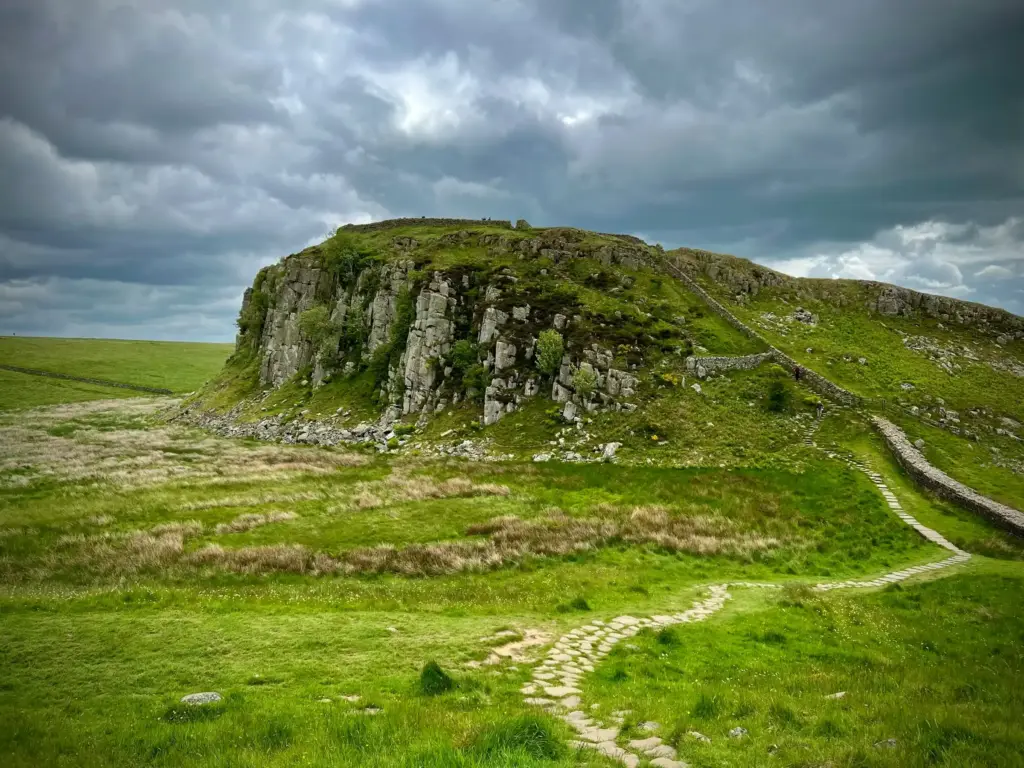
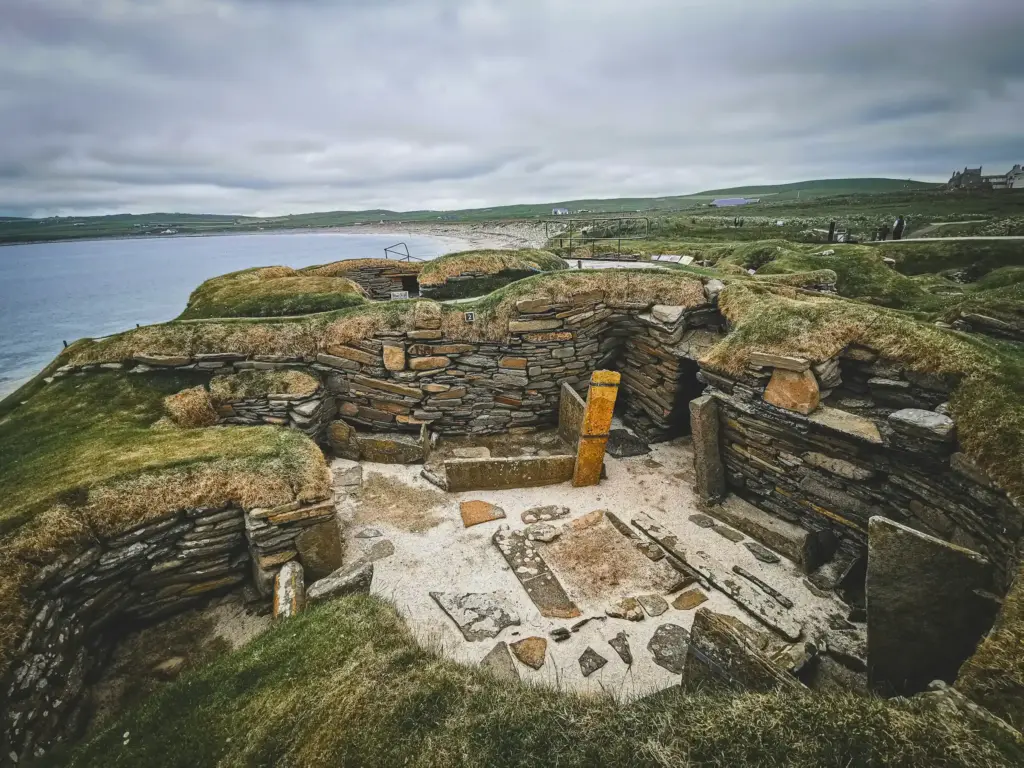
At Sutton Hoo in Suffolk, a field of grassy mounds hides the ghost of an Anglo-Saxon royal ship burial whose treasures — including the famous helmet — rewrote the history of “Dark Age” England (and inspired the film The Dig). Off the Northumberland coast, tidal Lindisfarne (Holy Island), cradle of English Christianity and the Lindisfarne Gospels, has an atmospheric priory ruin and a tiny castle, reached across a causeway that floods with the tide. Far to the north, the Neolithic village of Skara Brae in Orkney — older than the Egyptian pyramids and part of a World Heritage Site — preserves stone houses with their beds and dressers still in place.
Abbeys and castles beyond the crowds
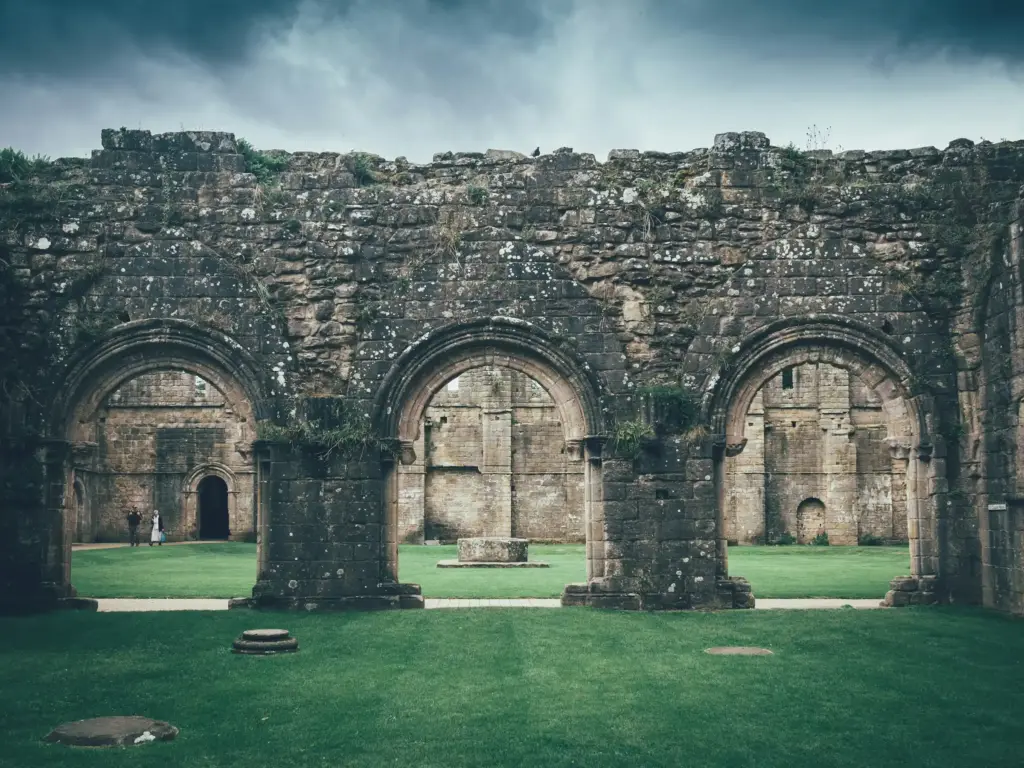
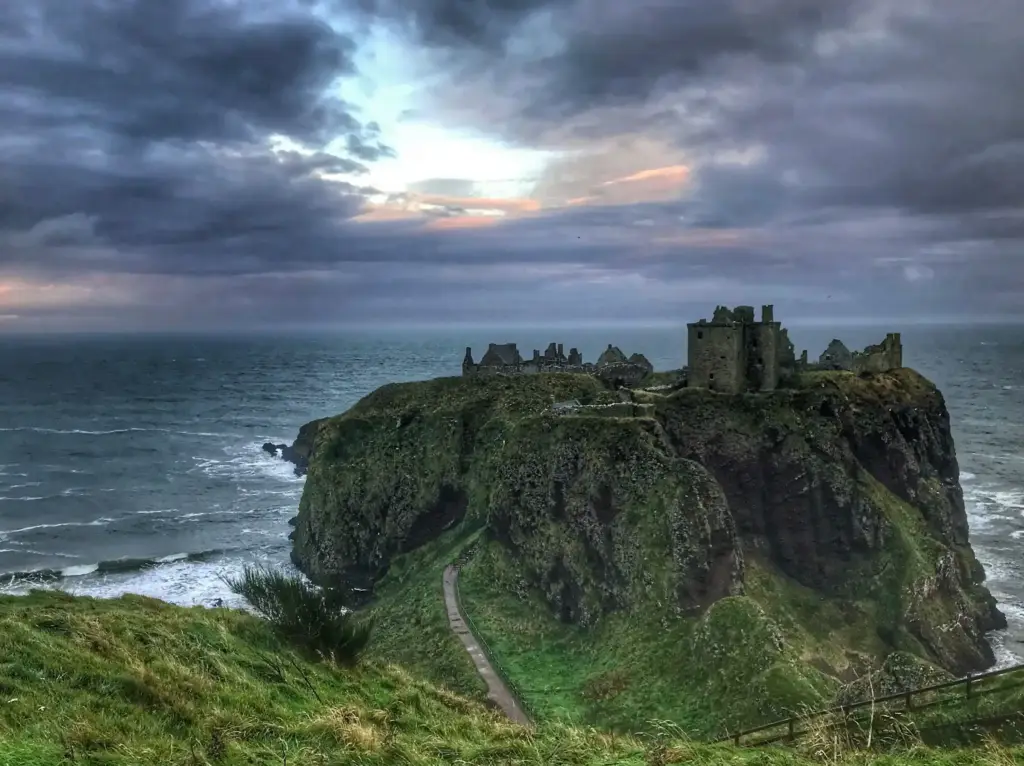
Henry VIII’s dissolution of the monasteries left Britain with some of its most romantic ruins. Fountains Abbey in Yorkshire, the largest monastic ruin in the country and a World Heritage Site, sits within the landscaped water gardens of Studley Royal; nearby Rievaulx Abbey is equally sublime in its wooded valley. For castles without the queues, Dunnottar Castle perches on a sheer sea cliff south of Aberdeen in one of the most dramatic settings in Scotland; Bodiam Castle in Sussex is a perfect moated fairy-tale fortress; and the cliff-edge ruins of Tintagel in Cornwall, now linked by a soaring footbridge, trade on their legendary association with King Arthur. Older still, Old Sarum near Salisbury is the vast earthwork of an Iron Age hillfort that later held a Norman castle and the first Salisbury cathedral.
Planning a trip to the UK’s lesser-known landmarks
Avebury, Castlerigg, Callanish and the hill figures are free, and a membership or multi-site pass can quickly pay for itself at the other sites.
Many of these sites are cared for by English Heritage, the National Trust, Historic Environment Scotland and Cadw, so a membership or multi-site pass can quickly pay for itself. Several are gloriously free — Avebury, Castlerigg, Callanish and the hill figures cost nothing — while others charge modest admission. Because they are off the main tourist trail, opening hours can be shorter and some are remote (Orkney, Lewis and Lindisfarne in particular take planning, and Lindisfarne’s causeway floods with the tide, so always check the safe crossing times). Group them by region — Wiltshire and the south for Avebury and the hill figures, the north-east for Vindolanda, Lindisfarne and Fountains Abbey, Scotland for Dunnottar, Callanish and Skara Brae — and you will trade the crowds of the icons for history you can often enjoy in peace.
Frequently asked questions
What are some lesser-known historical landmarks in the UK?
Standouts off the beaten path include the Avebury and Callanish stone circles, the Neolithic village of Skara Brae in Orkney, the Roman fort of Vindolanda, the Anglo-Saxon burial site of Sutton Hoo, tidal Lindisfarne, the abbey ruins of Fountains and Rievaulx, and the clifftop Dunnottar Castle in Scotland.
What is the oldest historical site in the UK?
Among the oldest are the Neolithic sites, which are around 5,000 years old — Skara Brae in Orkney and the stone circles of Avebury and Callanish all predate or rival the Egyptian pyramids. The Uffington White Horse, at roughly 3,000 years old, is Britain’s oldest hill figure.
Which historical landmarks in the UK are free to visit?
Many lesser-known ones are free, including the Avebury stone circle, the Castlerigg and Callanish stones, and the Uffington White Horse and Cerne Abbas Giant hill figures. Sites run by English Heritage, the National Trust and their Scottish and Welsh equivalents usually charge admission, which a membership can offset.
What is a good alternative to Stonehenge?
Avebury, also in Wiltshire, is the best alternative — a far larger stone circle that is free to enter and quiet enough to walk among the stones. Castlerigg in the Lake District and the Callanish Stones on the Isle of Lewis are two more spectacular, uncrowded prehistoric circles.
Do I need to plan ahead to visit these off-the-beaten-path sites?
Yes, more than for the big attractions. Several are remote (Orkney, the Isle of Lewis) or tidal (Lindisfarne’s causeway floods, so check the safe crossing times), and opening hours can be shorter out of season. Grouping sites by region and checking each one’s access before you go makes a smooth trip.