A pharmacy in Europe is a small shop with a green cross outside, and the pharmacist behind the counter decides what you need. There is rarely a CVS-style aisle of self-service painkillers. In France, paracetamol and ibuprofen have been kept behind the counter since January 2020. In Germany, even basic painkillers are sold only in pharmacies. You ask, the pharmacist advises, and they hand you the box.
The other hurdle is the label. Many medicines go by a different name in Europe, and the packaging is in the local language. If you know the active ingredient, not the US brand, you can buy almost anything you would buy at home without a prescription.
Buying medicine in Europe: key points
- Look for the green cross. Supermarkets sell few or no medicines in many countries.
- Ask for the active ingredient, not the brand. Tylenol is paracetamol in Europe.
- Pharmacists can advise on minor problems and often speak some English.
- An EU prescription is valid across the EU. A US prescription usually is not.
- Every town runs a rota of night and Sunday duty pharmacies.
Table of Contents
- How a pharmacy in Europe differs from CVS or Walgreens
- US medicine names and their European equivalents
- What to say at the counter
- Getting prescription medicine abroad
- Finding a pharmacy at night or on Sunday
- Buying medicine outside Europe: avoiding fakes
- Frequently asked questions
How a pharmacy in Europe differs from CVS or Walgreens
European pharmacies keep medicines behind the counter, reserve painkillers such as ibuprofen and paracetamol for pharmacy-only sale in Germany, and sell smaller boxes of 8 to 20 tablets.
- Medicines sit behind the counter. France moved paracetamol, ibuprofen and aspirin out of open display on 15 January 2020, according to the French medicines agency ANSM. They are still available without a prescription, but you ask for them.
- Pharmacies sell medicines that supermarkets cannot. In Germany, painkillers such as ibuprofen and paracetamol are pharmacy-only (“apothekenpflichtig”), as the German Health Ministry notes. Supermarkets and drugstores like dm or Rossmann sell toiletries and supplements, not these.
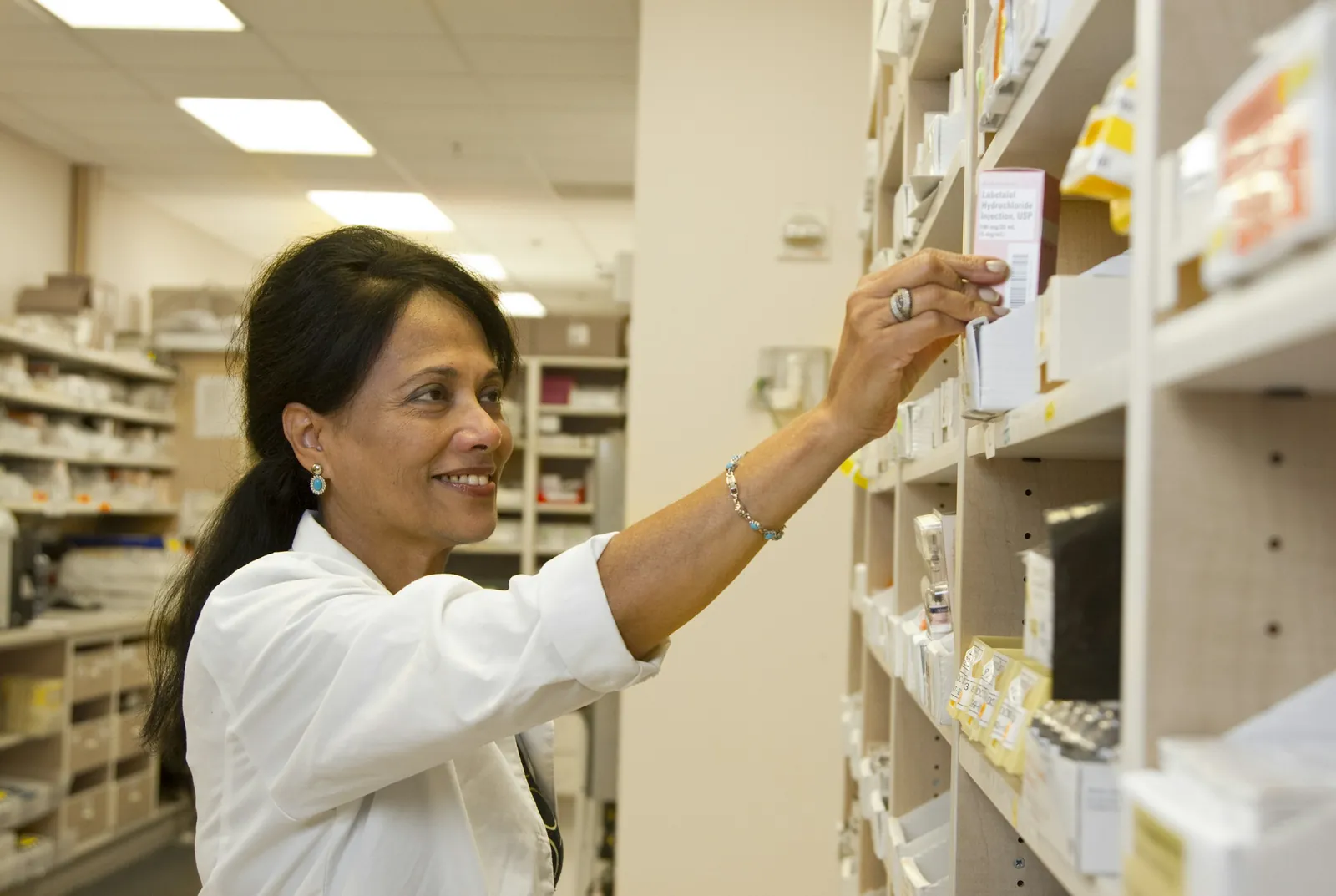
- The pharmacist is a first stop for minor illness. Describe your symptoms and they will suggest a product, or tell you to see a doctor.
- Pack sizes are smaller. Expect boxes of 8 to 20 tablets, not bottles of 200.
US medicine names and their European equivalents
Ask for the generic name in the left column. Pharmacists everywhere recognise international drug names, even when the local brand is unfamiliar to you.
| Active ingredient | Common US brand | What to ask for in Europe | Used for |
|---|---|---|---|
| Acetaminophen | Tylenol | Paracetamol (Doliprane in France, ben-u-ron in Germany, Tachipirina in Italy, Panadol in the UK) | Pain, fever |
| Ibuprofen | Advil, Motrin | Ibuprofen (Nurofen is common) | Pain, inflammation, fever |
| Loratadine | Claritin | Loratadine (Clarityn in the UK) | Hay fever, allergies |
| Cetirizine | Zyrtec | Cetirizine | Allergies |
| Diphenhydramine | Benadryl | Diphenhydramine. UK “Benadryl” contains a different antihistamine | Allergies, sleep |
| Loperamide | Imodium | Loperamide (Imodium is sold in Europe too) | Diarrhoea |
| Omeprazole | Prilosec | Omeprazole | Heartburn, reflux |
| Famotidine | Pepcid | Famotidine | Heartburn |
| Dextromethorphan | Robitussin DM, Delsym | Dextromethorphan | Dry cough |
Watch the dose as well as the name. A European paracetamol tablet is often 500 mg or 1,000 mg, while US Extra Strength Tylenol is 500 mg. Read the dosage on the box, or ask the pharmacist to write it down.
What to say at the counter
Show the empty box or a photo of your usual medicine, and say the active ingredient and strength, for example loratadine, 10 milligrams. That works better than any translation.
- Show the empty box or a photo of your usual medicine. This works better than any translation.
- Say the active ingredient and the strength, for example “loratadine, 10 milligrams”.
- Describe the problem simply: “headache”, “allergy”, “stomach”.
- Mention any allergies, pregnancy or other medicines you take.
- Ask how many to take and how often, and check that it does not clash with what you already use.
A translation app helps with symptoms. Point the camera at the box to read the leaflet in English.
Getting prescription medicine abroad
Inside the EU, a prescription written by a doctor in one EU country is valid in all the others, according to the EU’s Your Europe service. The same page warns that the medicine may not be available, or may have another name, and that you might have to pay the full price and claim it back from your insurer at home.
A US, Canadian or Australian prescription is a different matter. European pharmacies normally will not fill it. If you run out, you will usually need to see a local doctor for a new prescription. That costs money, so check your travel insurance first. Our travel insurance checklist shows what to look for, and our guide on whether travel insurance is worth it covers medical cover in more depth.
The simplest fix is to bring enough. Our guide to bringing medication on a plane covers how to pack it and what paperwork to carry.
Finding a pharmacy at night or on Sunday
Look for the lit green cross and the duty pharmacy address posted on a closed pharmacy’s door or window. Search the local term, such as pharmacie de garde in France.
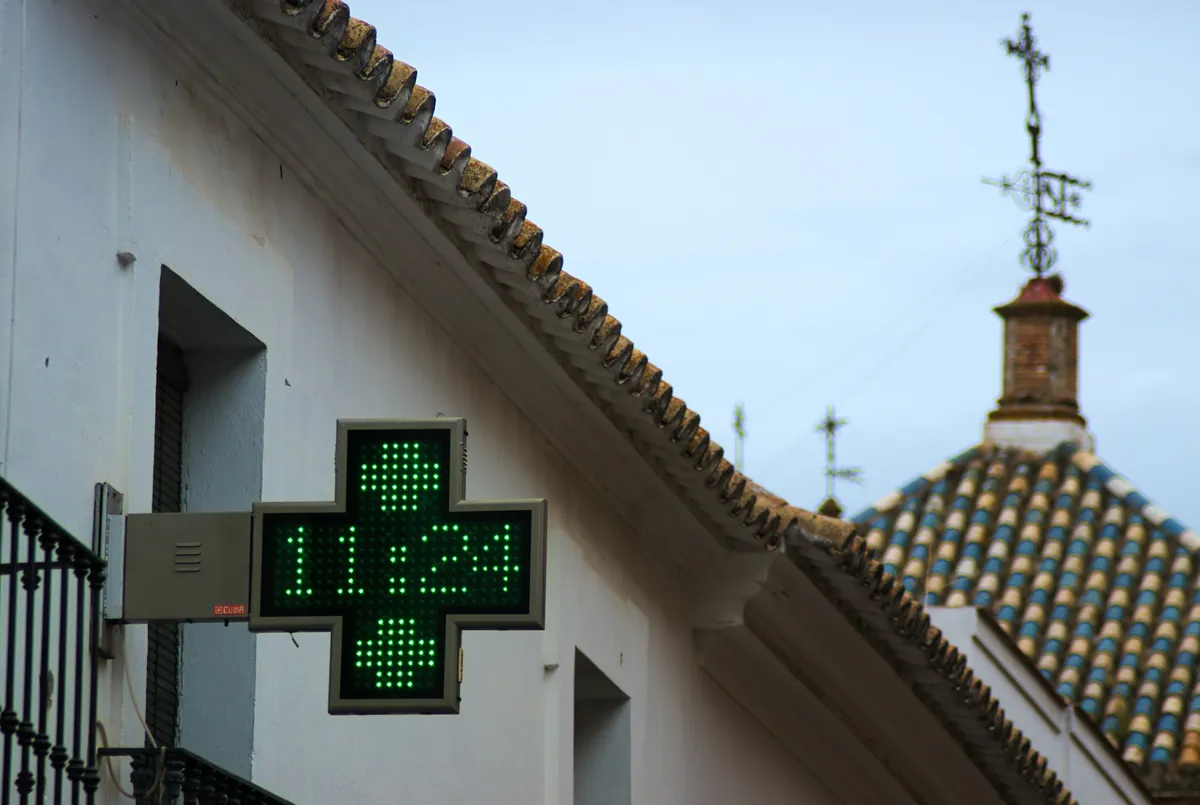
Pharmacies in Europe take turns to open outside normal hours. Each closed pharmacy usually posts the address of the nearest duty pharmacy on its door or window. The local names to search for are:
| Country | Search for |
|---|---|
| Germany, Austria | Apotheken-Notdienst |
| France | pharmacie de garde |
| Italy | farmacia di turno |
| Spain | farmacia de guardia |
| Portugal | farmácia de serviço |
| Netherlands | dienstdoende apotheek |
Duty pharmacies sometimes serve customers through a hatch at night and may add a small late-hours fee.
Buying medicine outside Europe: avoiding fakes
In Western Europe the risk of fake medicine from a licensed pharmacy is low. Elsewhere it is not. The CDC cites studies showing that about 9% to 41% of medicines sold in low- and middle-income countries are counterfeit, compared with less than 1% in high-income countries such as the US. Its advice if you must buy medicine while travelling:
- Buy only from licensed pharmacies, and ask for a receipt. Never buy from open markets.
- Ask whether the drug has the same ingredients as your usual medicine, and bring your own box if you can.
- Check that it is in its original packaging, and look for poor-quality printing.
The CDC’s first advice is to avoid buying medicine abroad at all and to bring everything you need in original containers. Our travel packing list includes a small medical kit for this reason.
Frequently asked questions
Can I buy Tylenol in Europe?
Yes, but it is sold as paracetamol, the international name for acetaminophen. Ask for paracetamol at any pharmacy. Local brands include Doliprane in France, ben-u-ron in Germany and Tachipirina in Italy.
Do European pharmacies sell medicine without a prescription?
Yes. Painkillers, allergy tablets and stomach remedies are sold without a prescription, but usually from behind the counter. In France, paracetamol and ibuprofen have been behind the counter since January 2020.
Can I buy ibuprofen in a supermarket in Europe?
It depends on the country. In Germany, painkillers like ibuprofen and paracetamol are pharmacy-only. In France they are sold in pharmacies, behind the counter. Plan to buy them at a pharmacy.
Will a European pharmacy accept a US prescription?
Usually not. EU prescriptions are valid across the EU, but prescriptions from outside the EU generally are not. You would need to see a local doctor for a new one.
How do I find a pharmacy open at night in Europe?
Look for the duty pharmacy notice on any closed pharmacy door, or search the local term: Apotheken-Notdienst in Germany, pharmacie de garde in France, farmacia di turno in Italy, farmacia de guardia in Spain.
Is it safe to buy medicine abroad?
From licensed pharmacies in Western Europe, generally yes. In low- and middle-income countries, counterfeits are more common. The CDC advises bringing your own medicine and buying only from licensed pharmacies with a receipt.