Minor rental car damage, such as a scratch from a narrow street or a dent in a car park, is common abroad. What it costs you depends on what you did at pickup, what you do straight away, and which cover you hold. In the US, Enterprise says scratches, dents and chipped windscreens are covered by its optional Damage Waiver. Without it, you may pay for repairs yourself. In Europe, the rental company keeps an excess (deductible) unless you reduce it, and the bill can include admin and loss-of-use fees on top of the repair.
Here is what to do at each stage, how the different types of cover pay, and how to challenge a charge you think is unfair.
Rental car damage abroad: what to do
- At pickup: film the whole car and make sure every mark is on the check-out sheet.
- After a scrape: photograph it where it happened and tell the rental company.
- At return: get the car inspected and signed off in front of you.
- In the EU: the major companies must show evidence of damage before taking payment.
- Credit card cover only applies if you decline the rental company’s CDW.
Table of Contents
- Before you drive: protect yourself at pickup
- If you dent or scratch the car
- At drop-off
- Who pays: CDW, excess cover and credit cards
- Charges that come with a damage claim
- How to dispute a rental car damage charge
- Frequently asked questions
Before you drive: protect yourself at pickup
Most rental car damage disputes are about marks that were already there. Ten minutes at pickup prevents them.
- Walk around the car with the agent if you can. Check bumpers, wheels and alloys, mirrors, the windscreen, the roof and the inside.
- Take a continuous video in daylight or good light, with the date visible, then close-up photos of each mark. Include the fuel gauge and the odometer.
- Make sure every mark is written down on the damage report before you leave, and keep a copy or a photo of it.
- If the car is in a dark garage, drive to the exit and record it again in better light, or ask staff to note that a full check was not possible.
The European Consumer Centre in the Netherlands gives the same advice in its guide to renting a car abroad: check the car and record any damage when you collect it.
If you dent or scratch the car
- Photograph the damage at the scene and the surroundings, such as a bollard or narrow lane.
- If another vehicle is involved, call the police if required locally and complete an accident report. In Europe this is often the European Accident Statement form kept in the glovebox. Never sign a report in a language you cannot read without noting that.
- Tell the rental company by the method in your contract, usually a phone line on the key tag. Late reporting can void some waivers.
- Do not arrange a repair yourself unless the company tells you to.
- Keep every receipt and message. Your insurer or card benefit will ask for them.

At drop-off
Return the car in daylight during staffed hours if possible. Ask for an inspection with you there, and a signed or emailed check-in report that states “no new damage” or lists exactly what was found. Record another full video in the bay. A key-drop return after hours leaves the inspection entirely to the company.
Who pays: CDW, excess cover and credit cards
| Type of cover | What it does | What to watch |
|---|---|---|
| CDW or LDW from the rental company | Limits what you pay for damage to the car. Often included in Europe with a high excess. | It is a waiver, not insurance. Tyres, glass, the roof and the underside are often excluded. |
| Super CDW or excess reduction (rental desk) | Cuts the excess to zero or close to it. | Usually the most expensive way to remove the excess, sold per day. |
| Standalone excess insurance (bought separately) | Repays the excess after the rental company charges you. | You pay first and claim back. The desk may still block a large deposit. |
| Credit card auto rental benefit | Covers damage and theft of the rental car on eligible cards. | You must pay with the card and decline the rental company’s CDW. Country and vehicle exclusions apply. |
| Your own car insurance | Sometimes extends to rentals at home. | Rarely covers rentals abroad. Check with your insurer. |
Credit card cover is useful but has conditions. Visa’s Auto Rental Collision Damage Waiver terms for Visa Infinite cards are a good example. It acts as primary cover for theft and damage, including valid loss-of-use charges, admin fees and reasonable towing. To use it, you must pay for the whole rental with the card and decline the rental company’s CDW, because accepting it cancels the benefit. Rentals of up to 15 consecutive days at home and 31 days abroad are covered. It does not cover Israel, Jamaica, the Republic of Ireland or Northern Ireland. Expensive, exotic and antique cars, vans, trucks and motorcycles are excluded. Benefits differ by card and issuer, so read your own card’s guide before you travel.
Travel insurance sometimes includes rental car excess cover as an add-on. Our travel insurance checklist shows where to find it in a policy.
Charges that come with a damage claim
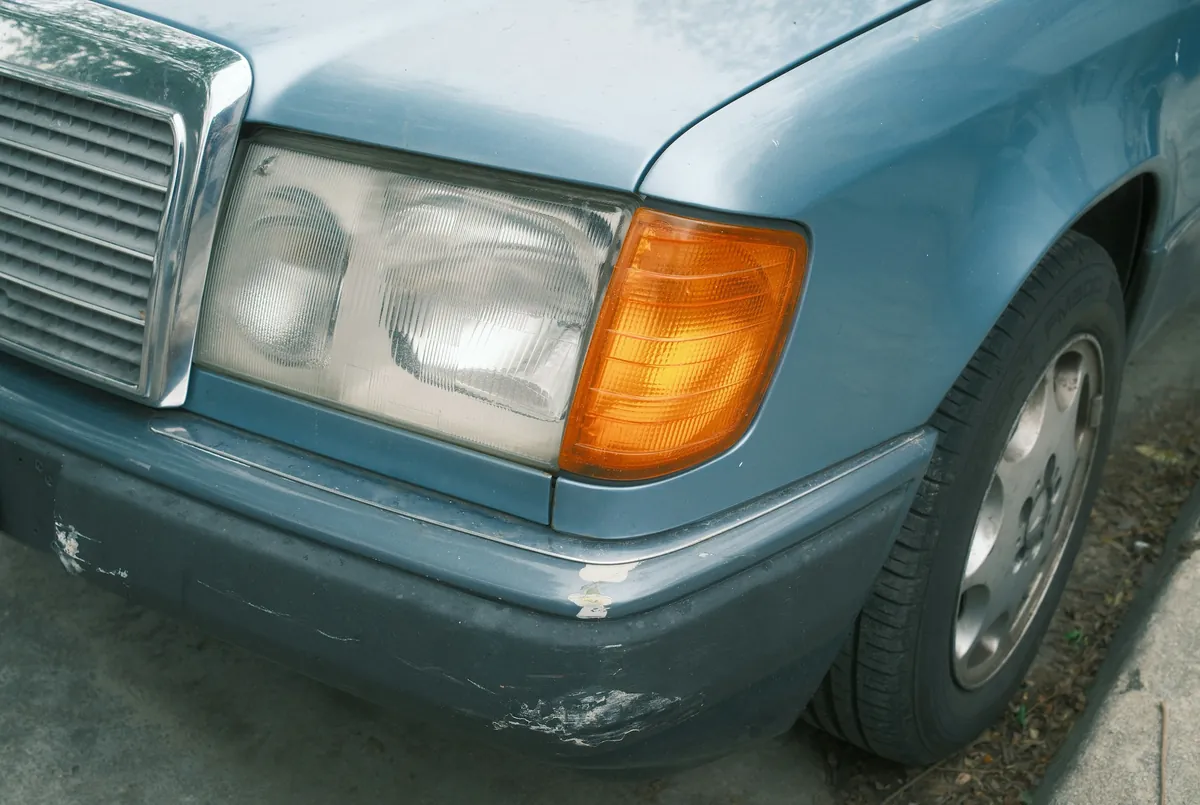
- Repair cost up to your excess, or the full amount without a waiver.
- Loss of use: rental income the company says it lost while the car was off the road.
- Administration or damage handling fee, often a flat charge per claim.
- Diminished value, mainly in the US, for the drop in the car’s resale value.
Ask for an itemised breakdown with photos and a repair invoice or estimate before you agree to any of these.
How to dispute a rental car damage charge
In the EU, enforcement action matters here. In 2017 the European Commission announced that Avis, Europcar, Enterprise, Hertz and Sixt had changed their practices after action by national consumer authorities. For damage, consumers must be given reasons and evidence of any damage before payment is taken, and must have the chance to challenge it before payment is taken.
- Reply in writing, and ask for dated photos of the damage, the check-out and check-in reports, and the repair invoice.
- Send your own pickup and return video and photos.
- If the company will not budge and you paid by card, ask your card issuer about a chargeback for a charge you did not authorise or that is not supported by evidence.
- For rentals in the EU, Iceland or Norway, contact the European Consumer Centre in your country of residence, which handles cross-border complaints for free.
Renting as a young driver? Our guide to renting a car under 25 covers age surcharges, and the IDP requirements checker tells you if you need an International Driving Permit.
Frequently asked questions
What happens if I scratch a rental car?
You may be charged for the repair, up to your excess if you have a damage waiver, or in full without one, plus admin or loss-of-use fees. In the US, Enterprise says minor scratches, dents and chipped windscreens are covered by its optional Damage Waiver.
Do I have to report a small scratch on a rental car?
Yes. Report it to the rental company as your contract requires and photograph it. Unreported damage can void a waiver or a card benefit, and the company will find it at inspection anyway.
Is CDW the same as insurance?
No. A collision damage waiver is the rental company agreeing to limit what it charges you for damage. You usually still pay an excess, and parts like tyres, glass and the underside are often excluded.
Does my credit card cover rental car damage abroad?
Many premium cards do, if you pay with the card and decline the rental company’s CDW. Visa Infinite cover, for example, excludes Israel, Jamaica, the Republic of Ireland and Northern Ireland, and some vehicle types. Check your card’s benefit guide.
Can a rental company charge my card for damage after I return the car?
They can try, but in the EU the major companies must give you reasons and evidence of the damage, and a chance to challenge it, before taking payment. Ask for photos and an invoice and dispute it in writing.
What is a loss of use fee on a rental car?
A charge for the rental income the company says it lost while the damaged car was being repaired. Ask for proof of how it was calculated. Some card benefits cover valid loss-of-use charges.