Yes — you can bring medication on a plane, and the rules are more relaxed than for ordinary items. Pills have no limit, and liquid medicine is exempt from the usual 3.4 oz cap. The one habit worth keeping is to pack it all in your carry-on. These are US TSA rules, which most travelers are searching for. Other authorities — the UK, EU and the UAE’s GCAA — follow similar but not identical limits, and the final call always rests with the security officer and your airline. Check before you fly.
Table of Contents
Pills and Solid Medication: No Limit
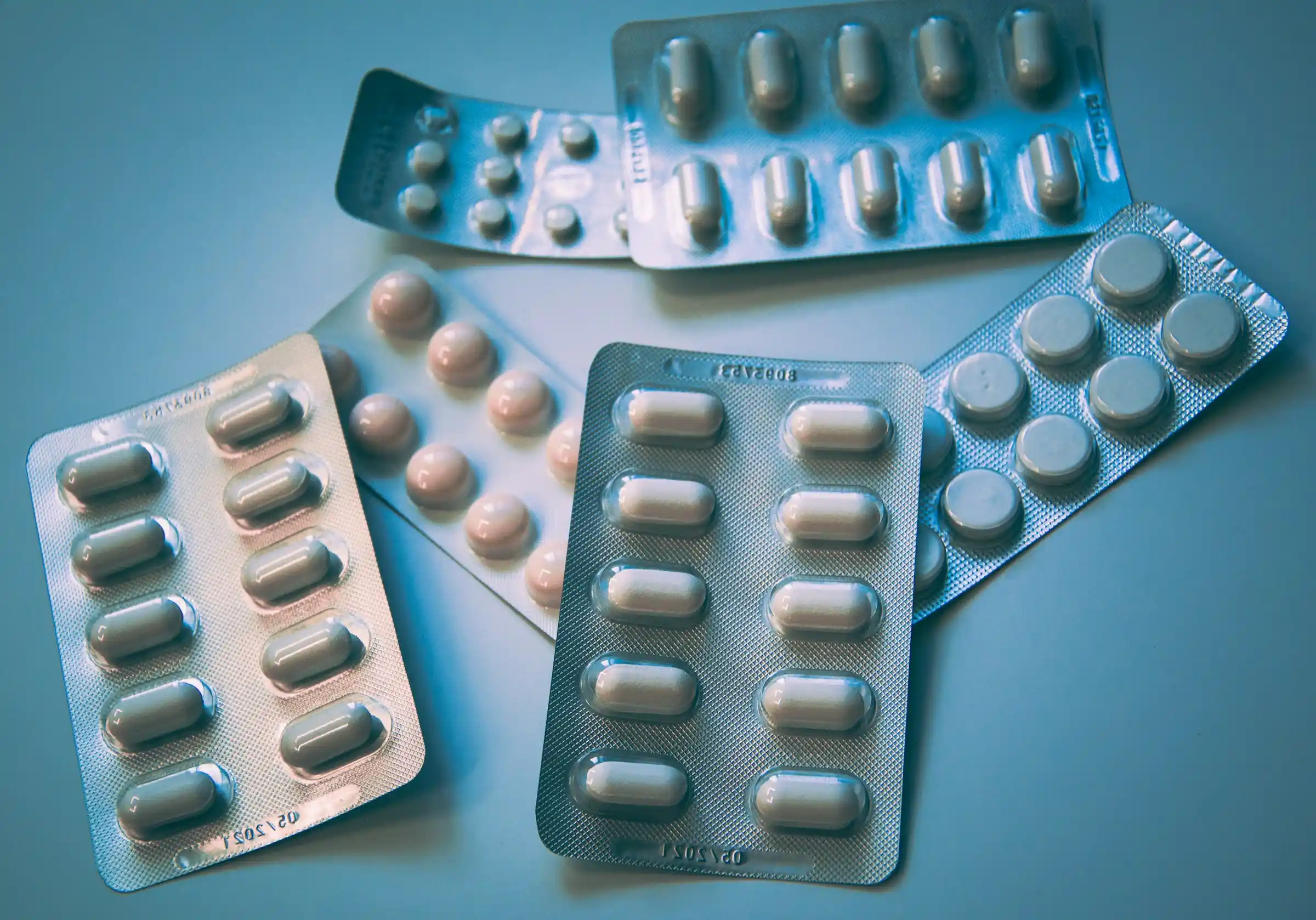
Tablets, capsules and other solid medication can travel in unlimited quantity in your carry-on or checked bag. TSA does not require prescription labels or a doctor’s note, though keeping medicines in their original labeled containers speeds up any questions, and some destination countries do ask for proof. Always keep essential medication in your carry-on in case a checked bag is delayed.
Liquid Medication Is Exempt From 3-1-1
Liquid medicine, gels and creams are allowed in your carry-on in quantities larger than 3.4 oz — they are exempt from the 3-1-1 rule. Just remove them from your bag and declare them to the officer at the start of screening so they can be inspected separately. This covers liquid painkillers, cough syrup, saline and similar.
Insulin, Syringes and Medical Devices
Diabetic supplies are allowed through security: insulin, unused syringes when accompanied by the medication, pens, pumps, and glucose monitors. Tell the officer you have them. Freezer packs to keep insulin cool are permitted, ideally frozen solid. CPAP machines and other medical devices are allowed and do not count toward your carry-on allowance.
Vitamins, Supplements and CBD
Vitamins and supplements in pill or powder form travel freely. TSA allows FDA-approved CBD and hemp-derived products with under 0.3% THC, but rules vary sharply by country and US state — carrying any cannabis product across a border is risky, so check the law at both ends before you fly.
This is one item in our full guide to what you can bring on a plane — the complete carry-on and checked-bag rundown.
Documentation, storage and travelling abroad
Always carry medication in your hand luggage rather than your checked bag. Holds can be lost or delayed, and temperatures there are not controlled, which matters for anything sensitive; keeping medicines with you also means you have them during long delays. It helps to keep them in their original labelled packaging and to carry a copy of the prescription or a doctor’s letter, especially for liquids, injectables or anything you will need to explain at security.
International trips add one more layer to check. A medicine that is routine at home can be restricted or even banned at your destination — some common painkillers, cold remedies and controlled medications fall into this category in certain countries — so it is worth confirming the rules with the destination’s embassy before you travel with anything unusual. Carry enough for your trip plus a few spare days in case of disruption, plan your dosing around the time-zone change, and if you use insulin or another temperature-sensitive medicine, pack a cool bag and keep it in the cabin with you.
Needles, sharps and medication for others. If your treatment involves needles, carry them together with the matching medication and its documentation so their purpose is clear at screening, and ask the cabin crew about safe disposal rather than using the seat pocket. Carrying medication for a child or another traveller is fine, but keep it in their name with the prescription, as security or customs may ask who it is for.
Frequently Asked Questions
Can you bring medication on a plane?
Yes. Solid medication is unlimited in carry-on or checked bags, and liquid medication is allowed over 3.4 oz in carry-on if you declare it at screening. Keep essential medicine in your carry-on.
Do you need a prescription to fly with medication?
No, TSA does not require one. Original labeled containers help, and some destination countries do ask for proof, so carry documentation for controlled medicines.
Can you bring liquid medication over 3.4 oz?
Yes. Liquid medication is exempt from the 3-1-1 rule. Remove it from your bag and tell the officer so it can be inspected separately.
Can you bring insulin and syringes on a plane?
Yes. Insulin, pens, pumps and syringes are allowed through security when accompanied by the medication. Declare them at screening.
Should medication go in carry-on or checked?
Carry-on. It keeps essential medicine with you if a checked bag is lost or delayed, and lets you access it during the flight.
Can you fly with CBD or medical cannabis?
TSA allows hemp-derived CBD with under 0.3% THC, but laws differ by country and state and border-crossing is risky. Check the rules at both ends before you travel.