Lake Atitlan at a glance
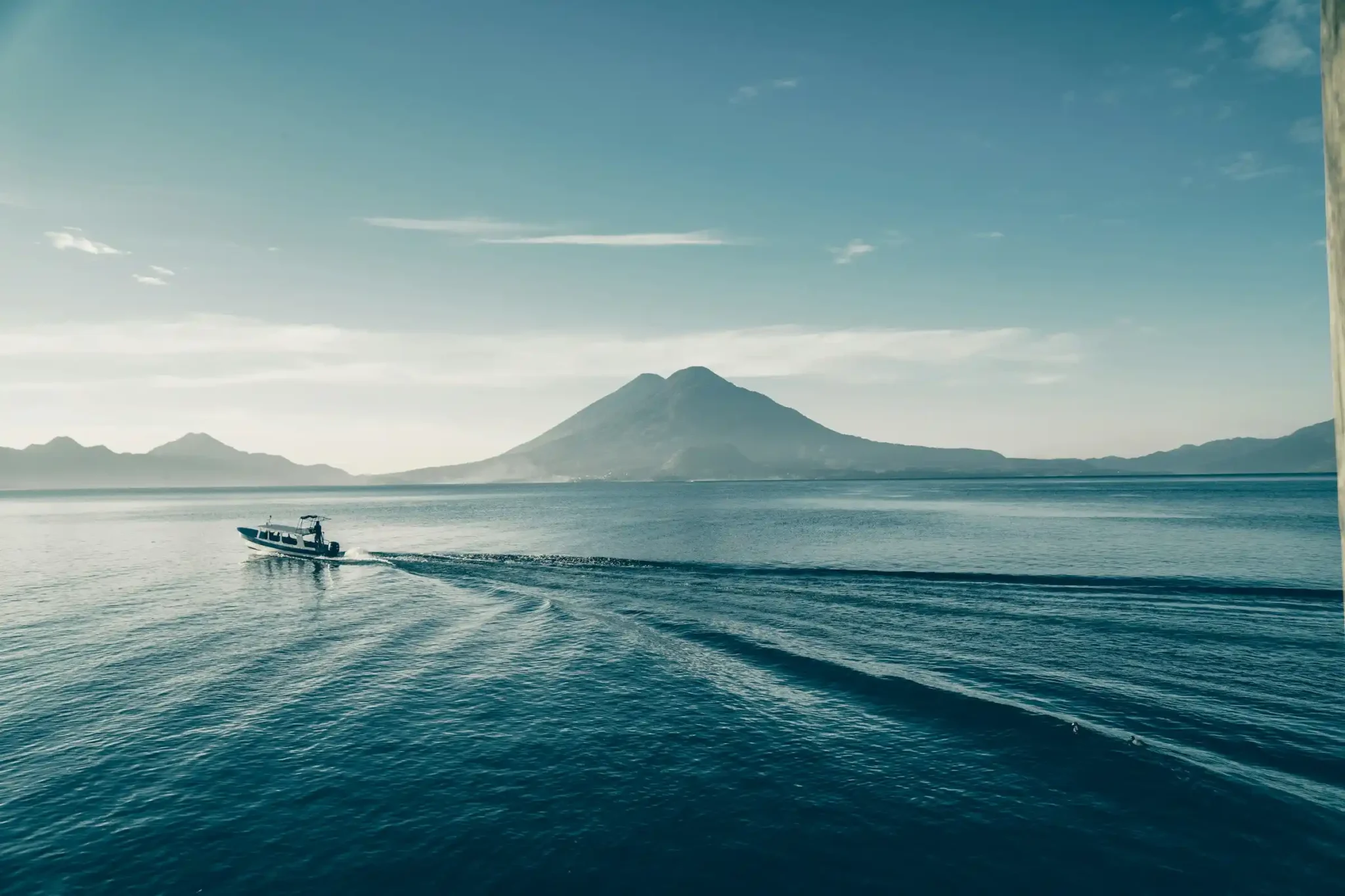
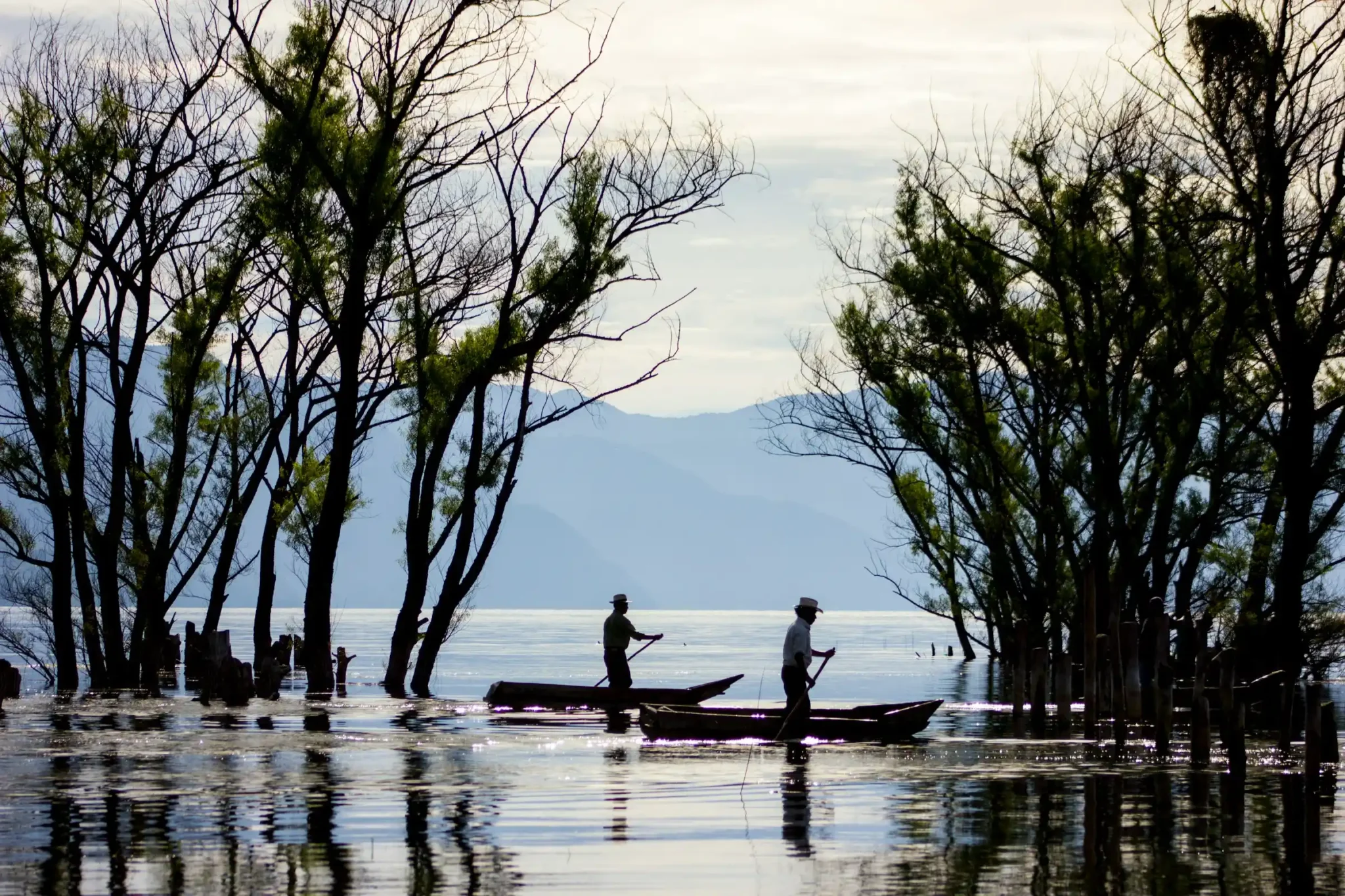
Lake Atitlan sits at 1,562 metres (5,125 feet) above sea level in the western highlands of Guatemala, surrounded by three volcanoes and a ring of small towns connected by boat rather than road. It formed roughly 84,000 years ago when a massive volcanic eruption collapsed inward, leaving a caldera that filled with water over millennia. The result is a lake about 18 kilometres long, 130 metres deep at its lowest point, and framed by terrain steep enough that most towns are only reachable by lancha (small motorboat). Guatemala is the cheapest country in Central America and one of the best-value affordable travel destinations overall. Travelling on through Central America, our guide to the best places to visit in Costa Rica covers the region’s most popular next stop.
Each town around the lake has its own character. Panajachel is the commercial gateway. San Pedro La Laguna is the backpacker hub. San Marcos draws the yoga-and-wellness crowd. San Juan La Laguna is known for its Tz’utujil Maya art cooperatives. Santiago Atitlan is the largest indigenous town on the lake. And the quieter villages – Jaibalito, Tzununá, Santa Cruz La Laguna – are where travelers go when they want nothing but the water, the volcanoes, and silence.
The lake is in the department of Sololá, about three hours west of Guatemala City and roughly 2.5 hours from Antigua Guatemala by road. There is no airport at Lake Atitlan – the nearest is La Aurora International Airport (GUA) in Guatemala City.
How to get to Lake Atitlan
From Guatemala City to Lake Atitlan
The drive from Guatemala City to Panajachel (the main entry point) takes approximately three hours via the Pan-American Highway through Sololá. You have several options:
- Shuttle bus: Tourist shuttles run daily from Guatemala City and cost around Q150-250 ($19-32 USD). Companies like Atitrans and GuateGo operate reliable services with hotel pickup.
- Chicken bus: The cheapest option at roughly Q30-40 ($4-5 USD). Take a bus from the Zona 4 terminal to Los Encuentros junction, then transfer to a local bus heading down to Panajachel. Slower and less comfortable, but an experience in itself.
- Private transfer: Around $100-150 USD for a direct car. Worth it if you are arriving on a late flight or traveling with a group.
- Rental car: Possible but not recommended for first-time visitors. The road from Sololá down to Panajachel is steep, winding, and shares lanes with chicken buses. Once at the lake, you will not need a car – boats are the primary transport.
From Antigua to Lake Atitlan
Most travelers visit Lake Atitlan from Antigua Guatemala rather than the capital. The shuttle takes about 2.5 hours and costs Q100-175 ($13-22 USD). Multiple departures leave daily from Antigua, usually between 7:00 AM and 2:00 PM. This is the most popular route to the lake.
Getting around the lake
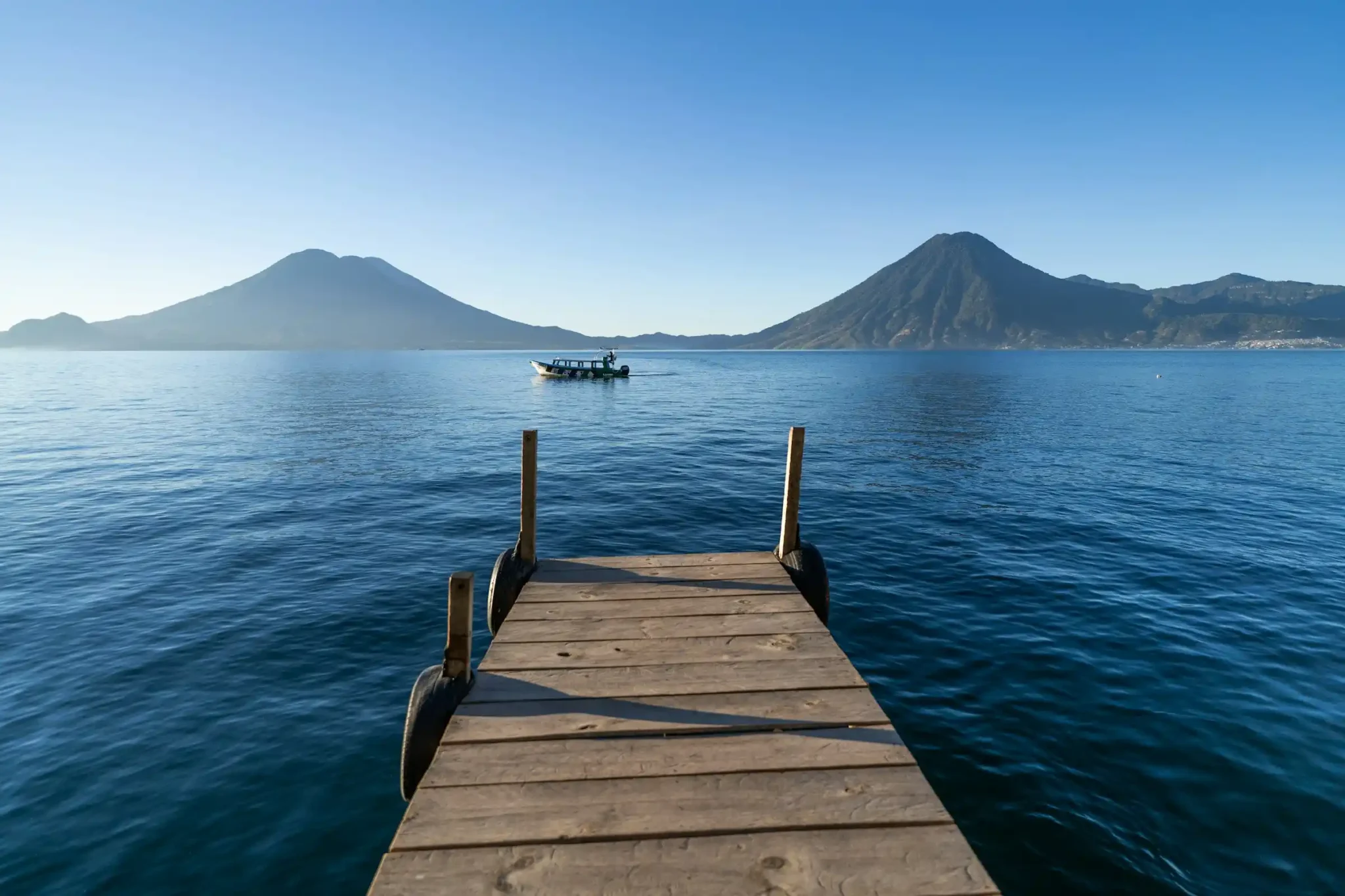
Once you reach Panajachel, lanchas (small motorboats) connect every town along the shoreline. Boats leave from the main dock in Panajachel roughly every 20-30 minutes for the main stops (San Pedro, San Juan, San Marcos, Jaibalito, Santa Cruz). A one-way ride costs Q25-35 ($3-4 USD) depending on distance.
Private lanchas are available if you miss the scheduled boats or want to visit smaller villages. Expect to pay Q150-300 ($19-38 USD) for a private boat ride depending on distance and negotiation.
Boat schedule tip
The last lanchas from most towns back to Panajachel leave between 4:00 and 5:00 PM. After that, you will need a private boat, which costs significantly more. Plan your day trips accordingly.
Towns around Lake Atitlan
Panajachel
Panajachel – “Pana” to everyone who visits – is where the road meets the lake. It is the transport hub, the ATM stop, and the town with the widest selection of hotels and restaurants. Calle Santander, the main tourist street, runs downhill to the lakeshore and is lined with shops selling textiles, jade jewelry, and coffee.
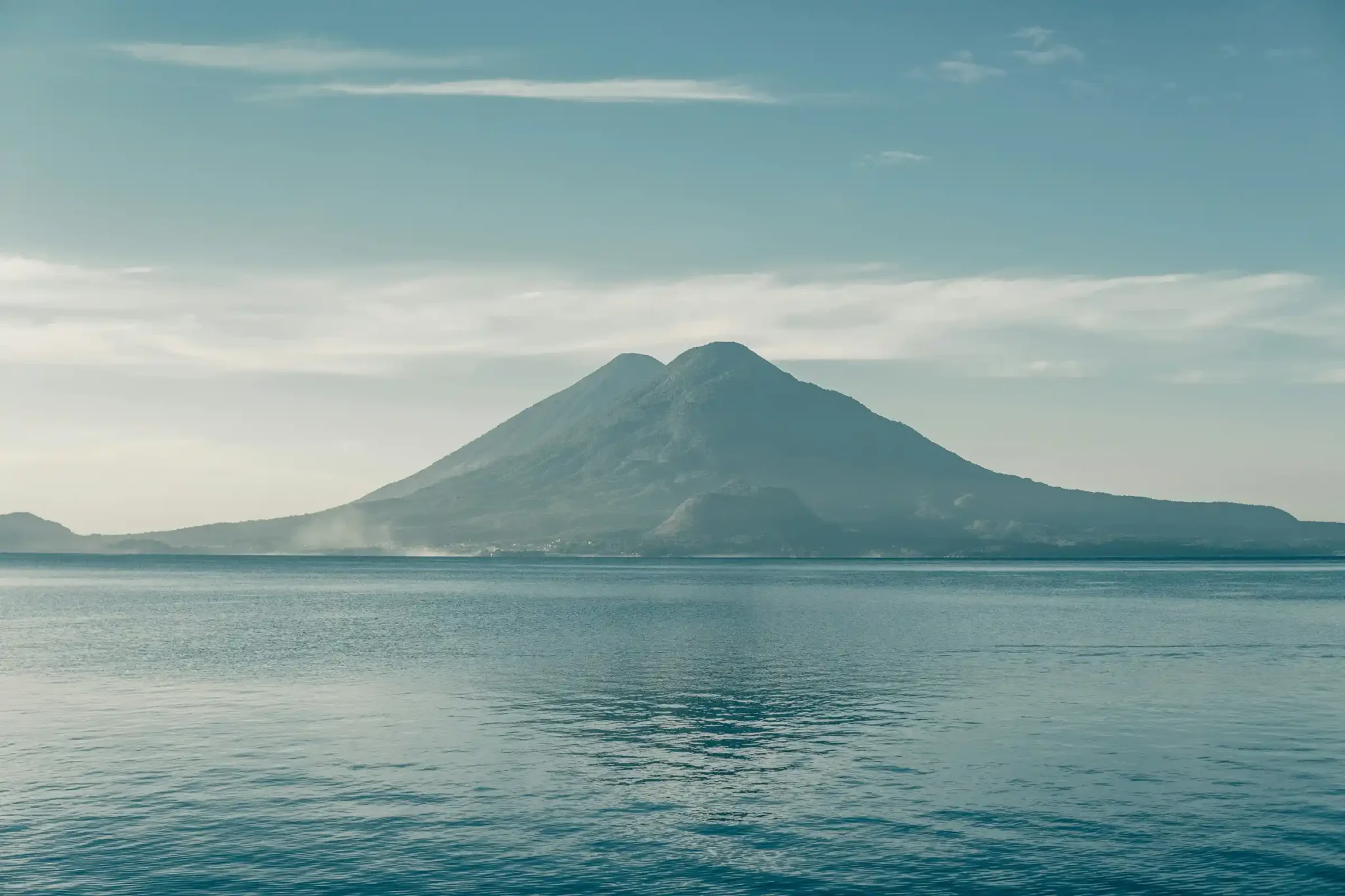
Pana is practical rather than charming. Most travelers pass through on their way to quieter towns, but it is worth a night if you arrive late or want easy access to services. The public beach at the end of Calle Santander has the best volcano views on the lake – Volcan San Pedro rises directly across the water.
San Pedro La Laguna
San Pedro is the backpacker capital of Lake Atitlan. Spanish schools, rooftop bars, cliff jumping spots, and hostels running $5-10 a night have made it the social hub for budget travelers. The town sits at the base of Volcan San Pedro (3,020 metres), which you can hike with a guide in about five hours round trip.
It is louder and more developed than the other lakeside villages. If you want a party scene or the cheapest accommodation at the lake, this is your town. If you want peace, look elsewhere.
San Juan La Laguna
A 15-minute walk or short tuk-tuk ride from San Pedro, San Juan is the artistic heart of Lake Atitlan. Tz’utujil Maya women’s cooperatives here produce hand-woven textiles using natural dyes – indigo from plants, purple from shellfish, red from cochineal insects. You can visit the workshops, watch the dyeing process, and buy directly from the weavers.
The town is also known for its murals and a growing scene of small coffee farms offering tours. It is quieter than San Pedro, more authentic, and one of the best places on the lake to understand the living Maya culture that makes Atitlan more than scenery.
San Marcos La Laguna
San Marcos is where Lake Atitlan meets the wellness industry. Yoga retreats, meditation centres, cacao ceremonies, breathwork sessions, and holistic healing draw a specific crowd. The town is small, walkable, and noticeably quieter than San Pedro or Panajachel.
Even if wellness is not your thing, San Marcos has the best swimming access on the lake. Stone steps lead down to the water from several points along the shore, and the Cerro Tzankujil nature reserve has a dock and cliff-jumping platform with clear views of the volcanoes. Entry costs Q20 ($2.50 USD).
Santiago Atitlan
Santiago is the largest town on Lake Atitlan and the cultural centre of the Tz’utujil Maya people. Unlike the backpacker-oriented villages, Santiago is a working Guatemalan town with a busy market, a 16th-century Catholic church built by the Spanish over a Maya temple site, and the shrine of Maximón – a syncretic folk saint who receives offerings of cigarettes, rum, and money.
Visiting Maximón’s shrine (which moves between households annually) is one of the most distinctive experiences on the lake. A local guide will take you there for a small fee, and you are expected to leave an offering. Photography is usually permitted with a small donation.
Santa Cruz La Laguna
Santa Cruz is only accessible by boat and has no road connection – which is exactly why people come here. The village sits on a steep hillside above the water, with a handful of lodges, a dive centre (Atitlan is one of the few freshwater diving spots in Central America), and walking trails to neighbouring villages.
The hike from Santa Cruz to Jaibalito takes about 45 minutes along a clifftop path with some of the best views on the entire lake. It is an easy walk, suitable for anyone in reasonable shape, and it connects two of the quietest communities on the water.
Jaibalito
Jaibalito is the smallest and most isolated of the commonly visited lakeside villages. No roads lead here – only boats and footpaths. There are a few guesthouses, a couple of restaurants, and not much else. That emptiness is the appeal. If you want to read, swim, and hear nothing but birds and boat engines, Jaibalito is where you go.
Tzununá
Between San Marcos and Jaibalito, Tzununá is a tiny Maya village that has recently attracted a small community of expats and digital nomads. A few boutique hotels and cafés have opened, but the town remains largely residential and agricultural. It offers the quiet of Jaibalito with slightly more infrastructure – a good middle ground between isolation and convenience.
Santa Catarina Palopó
Santa Catarina sits on the eastern shore of the lake, a short tuk-tuk ride from Panajachel. The town became known for its “Pintando Santa Catarina” project – a community mural initiative that painted the facades of houses in traditional Maya textile patterns, turning the hillside into a cascade of colour.
It is a photogenic stop rather than a multi-day destination. Combine it with a visit to San Antonio Palopó, a few kilometres further along the road, where you can see traditional backstrap loom weaving and ceramic workshops.
What to do at Lake Atitlan
Hike Volcán San Pedro
The most popular hike at the lake. The trail starts from San Pedro La Laguna and climbs 1,200 metres to the summit at 3,020 metres. A guide is mandatory (arranged through hostels or agencies in San Pedro for about Q150-200 / $19-25 USD). The round trip takes 4-6 hours depending on fitness. Start early – clouds roll in by midday and kill the views.
Swim in the lake
Lake Atitlan is swimmable, and on a calm morning the water is clear enough to see several metres down. The best public swimming spots are at Cerro Tzankujil in San Marcos (with cliff jumping), the public beach in Panajachel, and various hotel docks that welcome day visitors. Water temperature ranges from 18-22°C (64-72°F) depending on season and depth.
A note on safety: the lake can develop a strong afternoon wind called the Xocomil, which creates waves and rough conditions. Swim in the morning when the water is calm. The lake has no lifeguards.
Visit Maya weaving cooperatives
San Juan La Laguna has the highest concentration of textile cooperatives, but workshops also operate in Santiago Atitlan, San Antonio Palopó, and Santa Catarina. Watching a weaver work a backstrap loom – a technique unchanged for centuries – is one of the most grounding experiences on the lake. Buy directly from the cooperatives rather than from tourist shops in Panajachel; the artisans receive a larger share of the price.
Take a kayak across the lake
Several operators rent kayaks and stand-up paddleboards, especially in San Marcos and Santa Cruz. Paddling across the lake at sunrise, with the volcanoes reflected in still water, is the kind of moment that does not need embellishment. Allow 30-45 minutes to cross from Santa Cruz to San Marcos in calm conditions.
Day trip to Chichicastenango market
The famous Chichi market operates on Thursdays and Sundays. It is about 1.5 hours from Panajachel by chicken bus or 45 minutes by shuttle. Thousands of vendors sell textiles, masks, ceramics, produce, and flowers on the steps and inside the Santo Tomás church. Arrive before 9:00 AM for the best selection and thinnest crowds.
Where to stay at Lake Atitlan
Quick guide by traveler type
- Budget backpackers: San Pedro La Laguna – dorm beds from $5-8/night, private rooms from $15
- Wellness travelers: San Marcos La Laguna – retreat centres from $40-80/night including meals and classes
- Culture and art: San Juan La Laguna – guesthouses from $20-40/night near textile cooperatives
- Quiet escapes: Jaibalito, Santa Cruz, or Tzununá – eco-lodges from $30-60/night, boat-access only
- Families and first-timers: Panajachel – hotels from $25-100/night, ATMs, restaurants, road access
Most travelers stay in two or three towns over a week at the lake. A common pattern: arrive in Panajachel, spend a night, then move to San Pedro or San Marcos for 3-4 nights, with a day trip to Santiago and San Juan.
Practical information
Best time to visit
The dry season runs from November to April, with the clearest skies and calmest water. January through March tends to be the most popular period. The rainy season (May-October) brings afternoon showers that usually clear by evening – mornings are often still sunny, and accommodation prices drop 20-30%.
Altitude and weather
At 1,562 metres elevation, Lake Atitlan is cooler than Guatemala’s lowlands. Daytime temperatures hover around 20-25°C (68-77°F), dropping to 10-15°C (50-59°F) at night. Bring a light jacket or fleece for evenings, especially from November to February. Most travelers from sea level do not notice the altitude, but drink extra water on your first day.
Money and ATMs
Guatemala uses the Quetzal (GTQ or Q). The exchange rate is roughly 7.8 Q to 1 USD. ATMs are available in Panajachel (Banrural, BAM, and Banco Industrial on Calle Santander) and San Pedro. Most smaller towns have no ATMs – carry cash. Many tourist businesses accept USD, but you will get a worse exchange rate.
Safety at Lake Atitlan
The lake is generally safe for tourists, and the towns along the shoreline see very little serious crime. Standard precautions apply: do not walk alone on isolated trails after dark, do not swim alone, and keep valuables secured. The stretch of road between Sololá and Panajachel has occasional reports of road holdups at night – travel this road during daylight hours.
The lake itself has currents and the Xocomil wind can create dangerous conditions for swimmers. Respect the water.
Internet and connectivity
Panajachel and San Pedro have decent WiFi in most cafés and hotels. San Marcos, Santa Cruz, and the smaller villages are spottier – expect slower speeds and occasional outages. If you need reliable internet for work, stay in Pana or San Pedro. Buy a local Tigo or Claro SIM card in Guatemala City or Panajachel for mobile data (about Q100 / $13 for 5 GB).
Day trips from Lake Atitlan
Lake Atitlan to Antigua
The shuttle back to Antigua takes 2.5-3 hours and is the most common onward route. Daily departures from Panajachel, bookable through any hotel or tour agency. You can also route through Quetzaltenango (Xela) if you want to stop there.
Lake Atitlan to Tikal
Tikal is in the far north of Guatemala (Petén department) – about 10-12 hours by road or a 1-hour flight from Guatemala City. Most travelers return to Guatemala City or Antigua first, then fly to Flores (the gateway town for Tikal). Direct shuttle services from the lake to Flores exist but involve an overnight bus – not for everyone.
Quetzaltenango (Xela)
Guatemala’s second-largest city is about 2.5 hours from Panajachel. It is a base for hiking Volcán Tajumulco (Central America’s highest peak at 4,220 metres), hot springs at Fuentes Georginas, and Spanish language schools with a fraction of the tourist traffic of Antigua or Atitlan.
Frequently asked questions
Can you swim in Lake Atitlan?
Yes. The water is clean enough for swimming, especially in the mornings before the wind picks up. Popular swimming spots include Cerro Tzankujil in San Marcos, the Panajachel public beach, and various hotel docks. Avoid swimming in the afternoon when the Xocomil wind creates rough conditions.
How deep is Lake Atitlan?
Lake Atitlan reaches a maximum depth of approximately 340 metres (1,115 feet), making it the deepest lake in Central America. The average depth is around 130 metres. The lake has no visible outlet – water leaves through underground seepage and evaporation.
Is Lake Atitlan safe for tourists?
The lakeside towns are generally safe and well-accustomed to tourists. Petty theft can happen in busier towns like Panajachel and San Pedro, so keep valuables secured. The main safety concern is the lake itself – the Xocomil wind and currents have claimed swimmers. Travel the Sololá-Panajachel road during daylight hours.
How many days do you need at Lake Atitlan?
A minimum of three days lets you see Panajachel, San Pedro, and one or two other towns. Five to seven days is ideal for a relaxed visit that includes hiking, boat trips, market days, and time to simply sit by the water. Some travelers arrive for three days and stay for three weeks.
What is the elevation of Lake Atitlan?
Lake Atitlan sits at 1,562 metres (5,125 feet) above sea level. This gives it a mild highland climate cooler than Guatemala’s coastal lowlands. Most visitors do not experience altitude effects, but staying hydrated on your first day is a good precaution.