Kathmandu is one of those cities that hits every sense at once. Incense from a temple courtyard mixes with street food smoke. A 1,500-year-old stupa sits across the road from a mobile phone shop. Sadhus in orange robes share the sidewalk with trekkers hauling 60-litre packs toward Everest Base Camp.
This guide covers 25+ tourist places in Kathmandu and the surrounding valley, with the entrance fees, opening hours, and practical details that most guides leave out. Whether you have one day between flights or a full week to explore, these are the sightseeing spots worth your time.
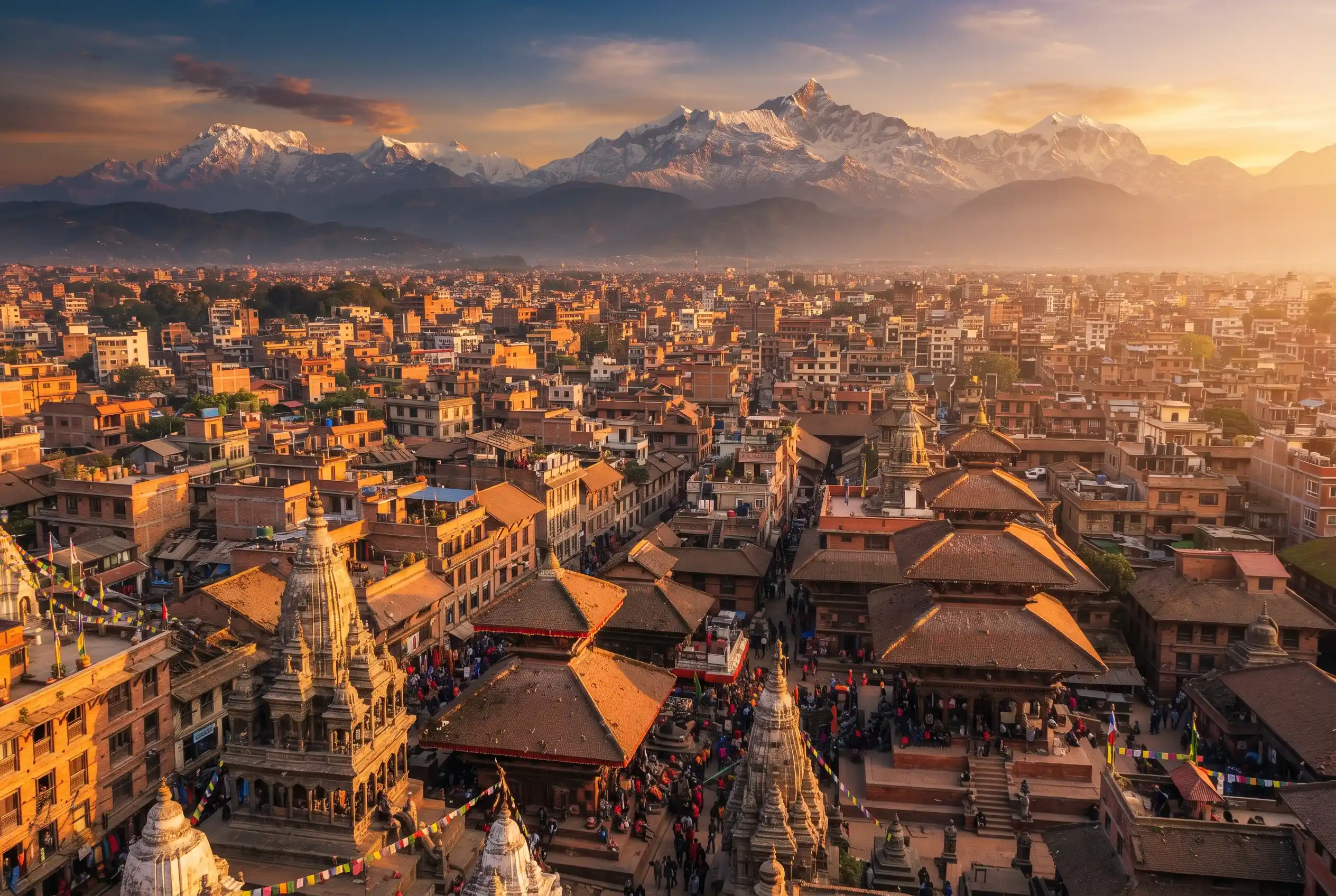
Top Sightseeing Places in Kathmandu
Kathmandu’s major tourist attractions cluster within a surprisingly compact area. The three Durbar Squares, the two great stupas, and the holiest Hindu temple in Nepal are all within 10 kilometres of each other. A full day of dedicated sightseeing covers the highlights. Two or three days lets you absorb them properly.
Swayambhunath (Monkey Temple)
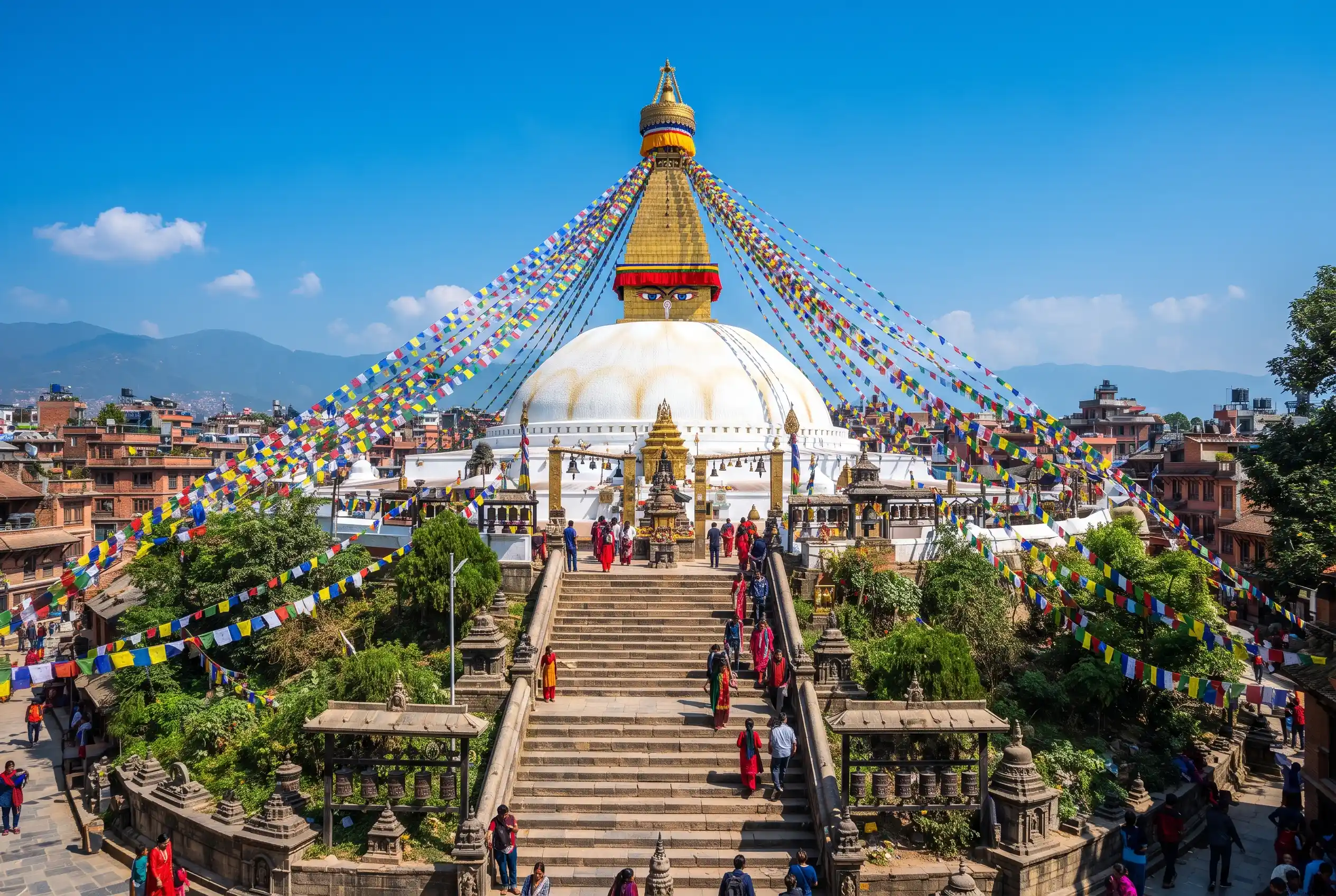
Swayambhunath sits on a hilltop west of Kathmandu, and the climb up 365 stone steps earns you one of the best panoramic views in the valley. The stupa itself dates back to the 5th century, making it one of the oldest religious sites in Nepal. The iconic painted Buddha eyes on the harmika stare out in all four cardinal directions.
The name “Monkey Temple” comes from the hundreds of rhesus macaques that live on the hill. They are bold and will grab food, sunglasses, and anything shiny. Keep your belongings close and avoid eating near them.
The hilltop complex includes a Tibetan monastery, a museum, and several smaller shrines. Early morning visits (before 7 AM) offer the quietest experience and the best light for photography. The prayer flag-draped stupa against a clear sunrise sky is the defining image of Kathmandu.
Entrance fee: NPR 200 (foreigners) | Hours: Open 24 hours, best visited at dawn | Time needed: 1.5–2 hours
Boudhanath Stupa
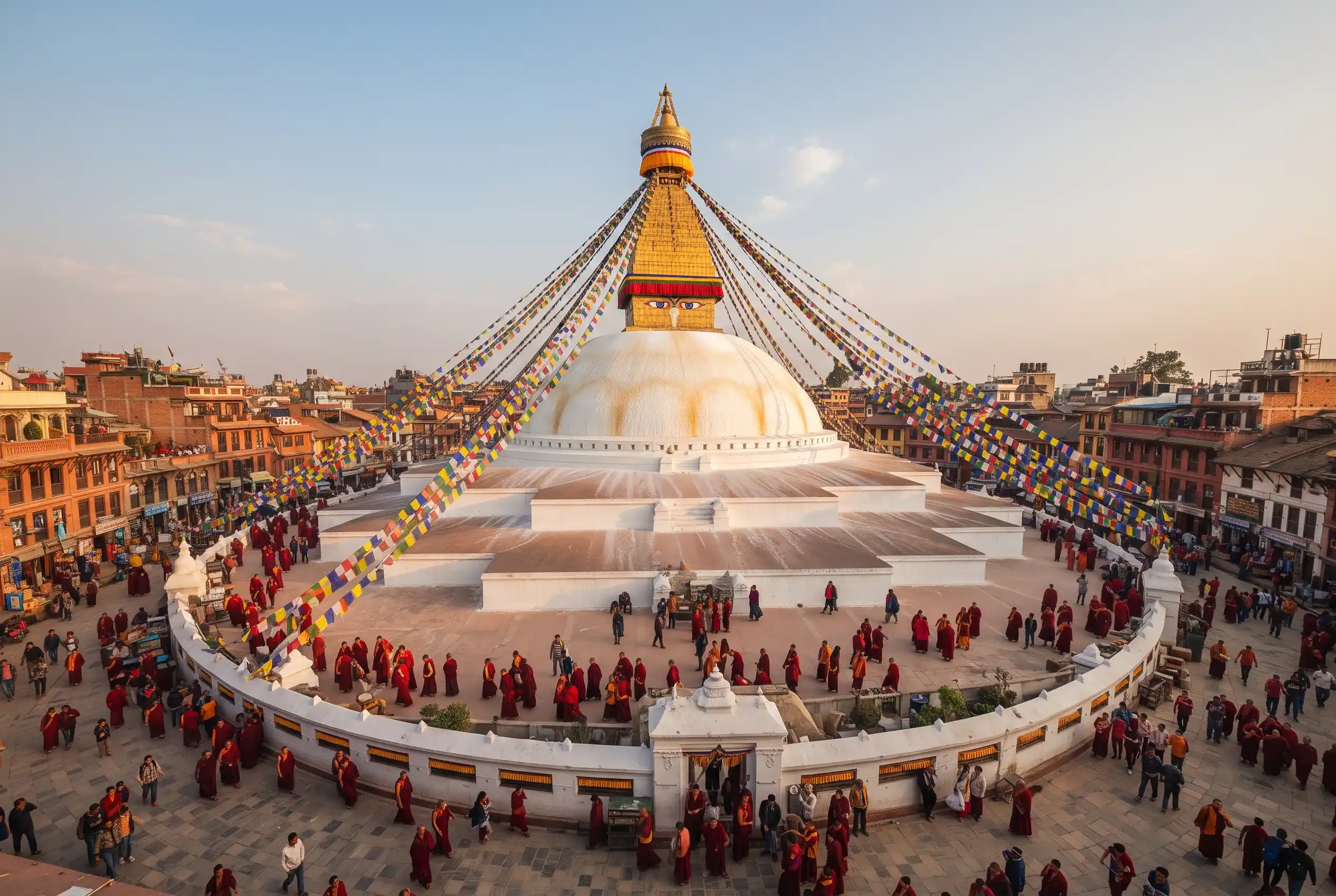
Boudhanath is one of the largest spherical stupas in the world and the spiritual heart of Kathmandu’s Tibetan community. The mandala-shaped structure dominates the surrounding neighbourhood, and its whitewashed dome is visible from kilometres away.
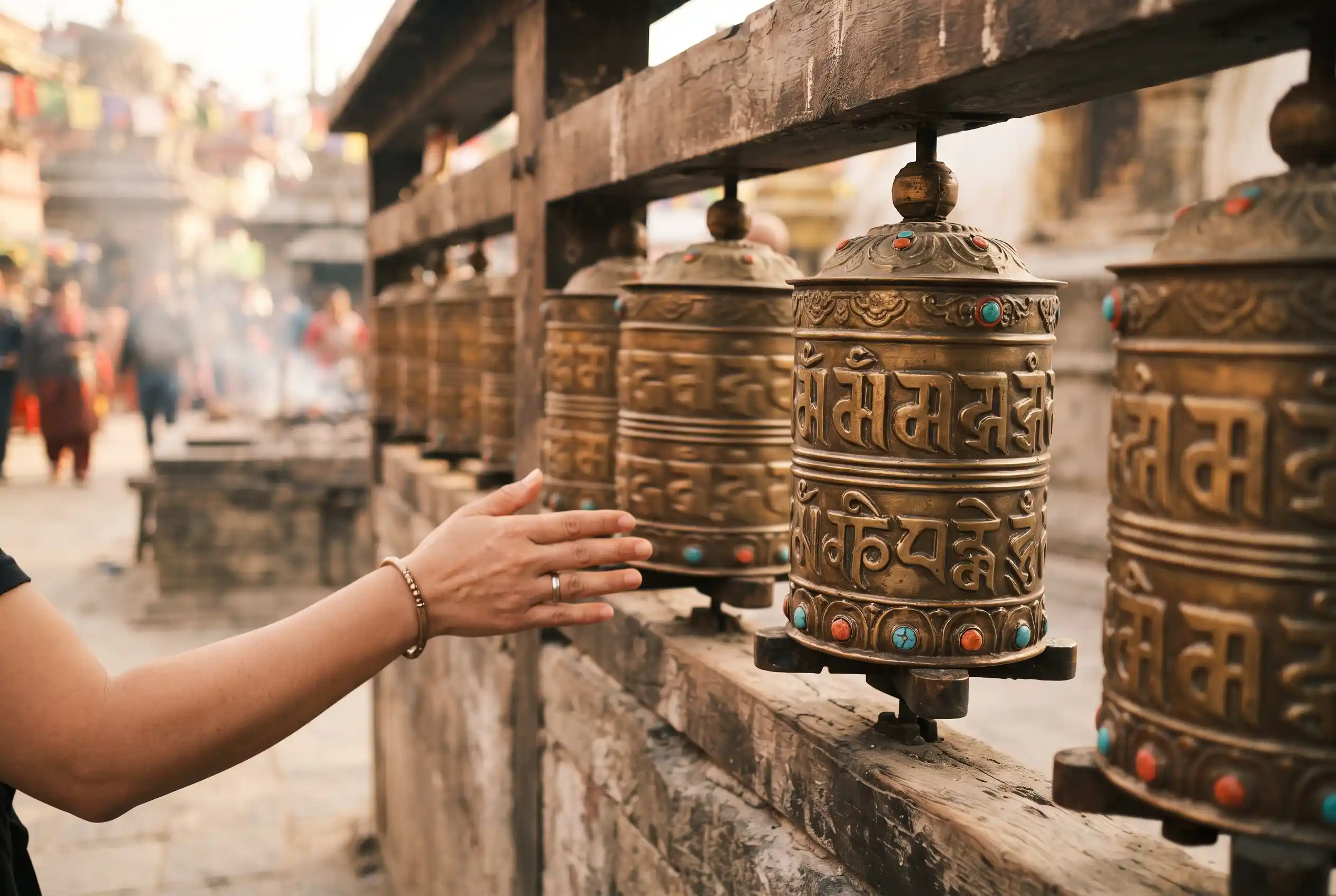
The ritual here is the kora: walking clockwise around the stupa while spinning the 147 prayer wheels set into the base. Tibetan monks in maroon robes, elderly women with prayer beads, and tourists in hiking boots all share the circuit. The rooftop restaurants surrounding the stupa serve Tibetan butter tea and momos with a direct view of the dome.
Evening visits are particularly atmospheric. The stupa is lit with butter lamps, monks chant from surrounding monasteries, and the painted Buddha eyes glow against the darkening sky.
Entrance fee: NPR 400 (foreigners) | Hours: Open 24 hours | Time needed: 1.5–2 hours
Pashupatinath Temple
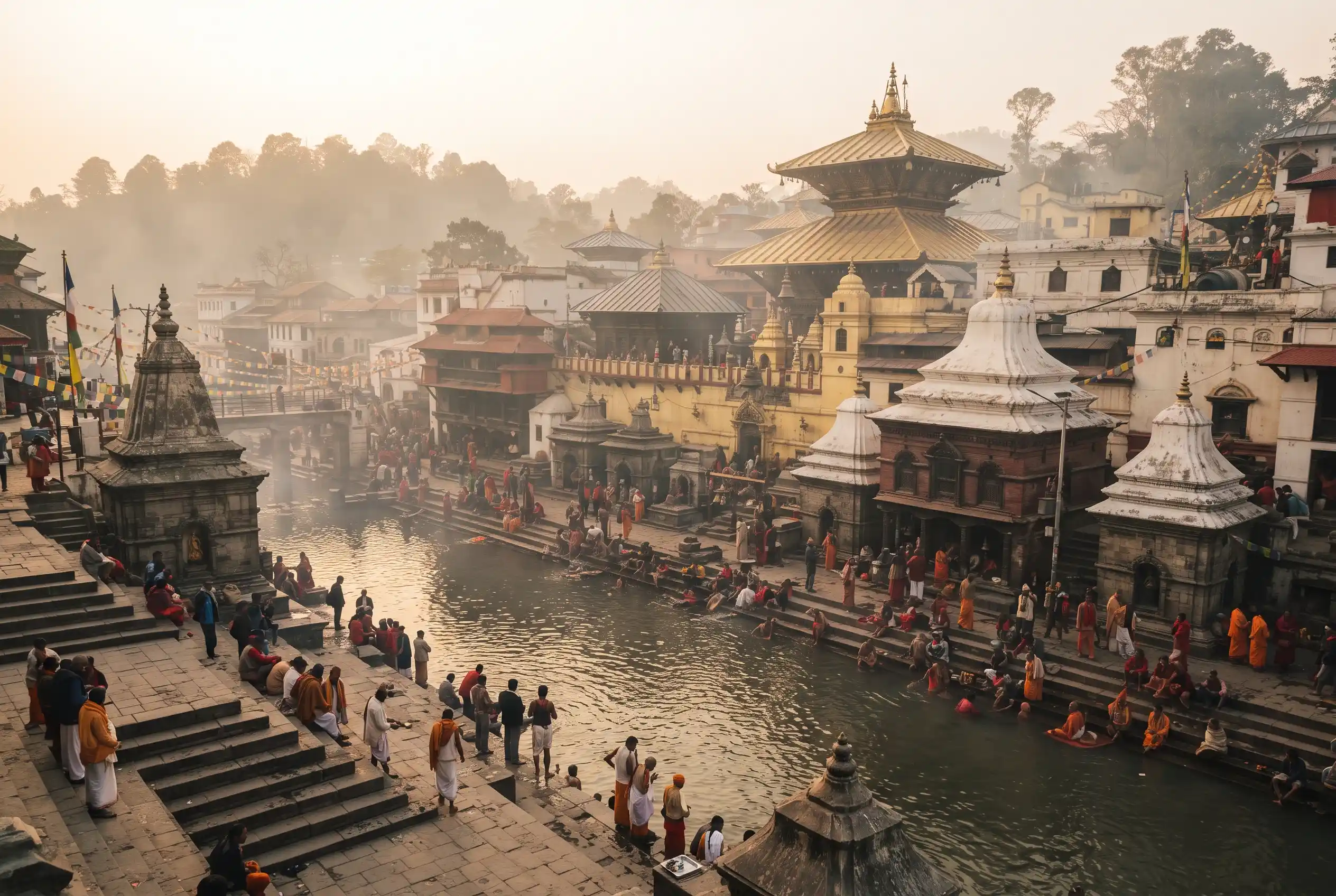
Pashupatinath is the holiest Hindu temple in Nepal and one of the most sacred Shiva temples in the world. The main pagoda with its gilded roof and silver doors is off-limits to non-Hindus, but the surrounding temple complex is open to all visitors and is worth the trip on its own.
The cremation ghats along the Bagmati River are the first thing most visitors encounter. Open-air cremations take place daily on raised stone platforms beside the river. Photographing the cremations is allowed from the opposite bank, but pointing cameras directly at grieving families is considered disrespectful. Use a long lens and stay across the river.
The eastern bank has rows of small Shiva lingam shrines, a deer park, and the Guhjeshwari Temple dedicated to the goddess Sati. Sadhus (Hindu holy men) covered in ash and paint sit along the pathways. Some pose for photos in exchange for a small donation (NPR 100–200 is standard).
Entrance fee: NPR 1,000 (foreigners), free for SAARC nationals | Hours: 4 AM – 9 PM | Time needed: 1.5–2 hours
Kathmandu Durbar Square
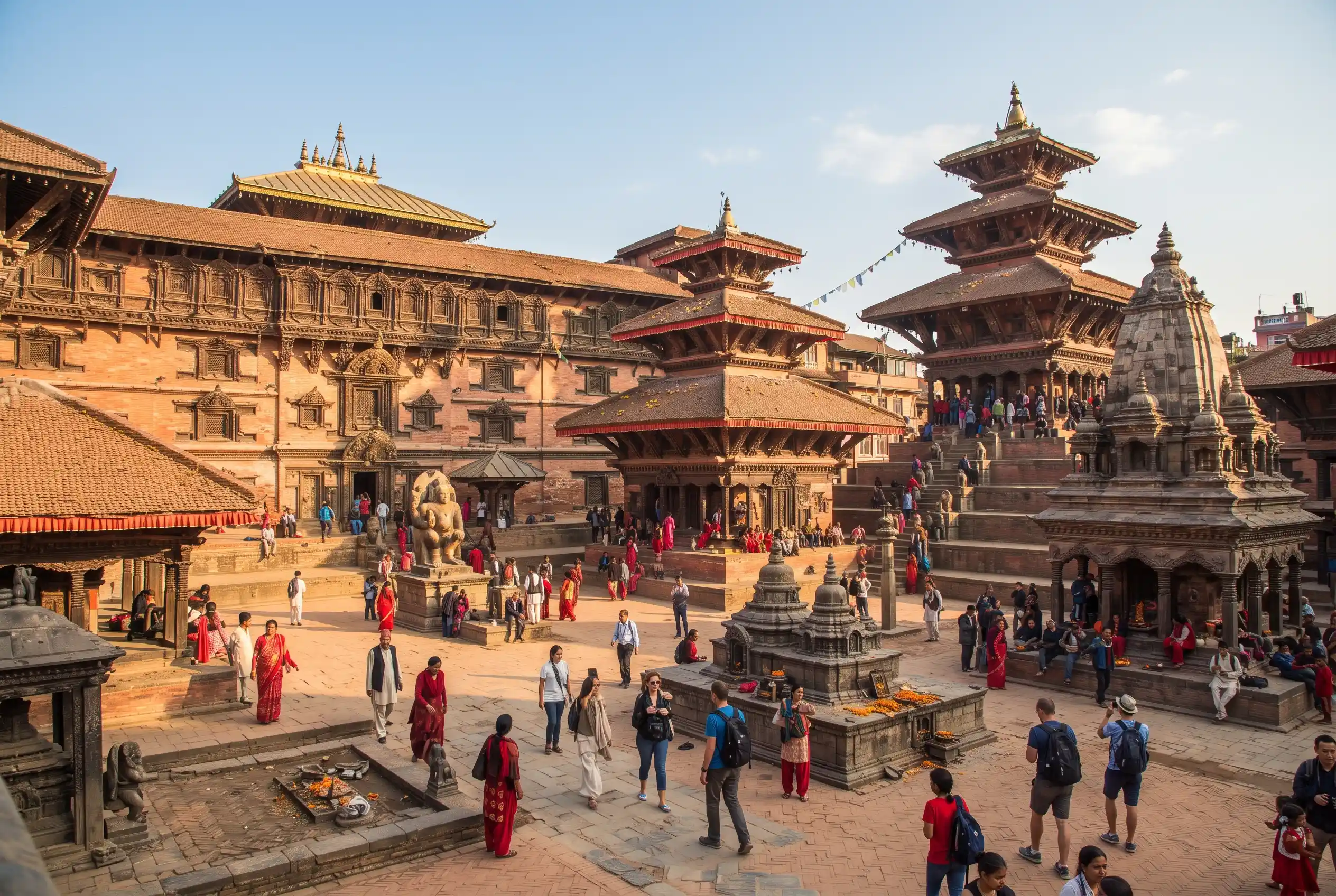
Kathmandu Durbar Square was the seat of the Malla kings and later the Shah dynasty. The complex contains dozens of temples, courtyards, and palaces dating from the 12th to 18th centuries. The 2015 earthquake damaged several structures, and restoration work continues, but the square remains one of the most important sightseeing spots in the city.
Key structures include Hanuman Dhoka (the old royal palace), the Taleju Temple (the tallest building in the square, open to non-Hindus only on the ninth day of Dashain), and Kumari Ghar, where the living goddess Kumari makes brief window appearances.
The square is busiest during Indra Jatra (September) and Dashain (October), when processions and ritual dances fill the courtyard. For a quieter visit, arrive before 9 AM or after 4 PM.
Entrance fee: NPR 1,000 (foreigners) | Hours: Open access; museums 9 AM – 5 PM | Time needed: 2–3 hours
Patan Durbar Square
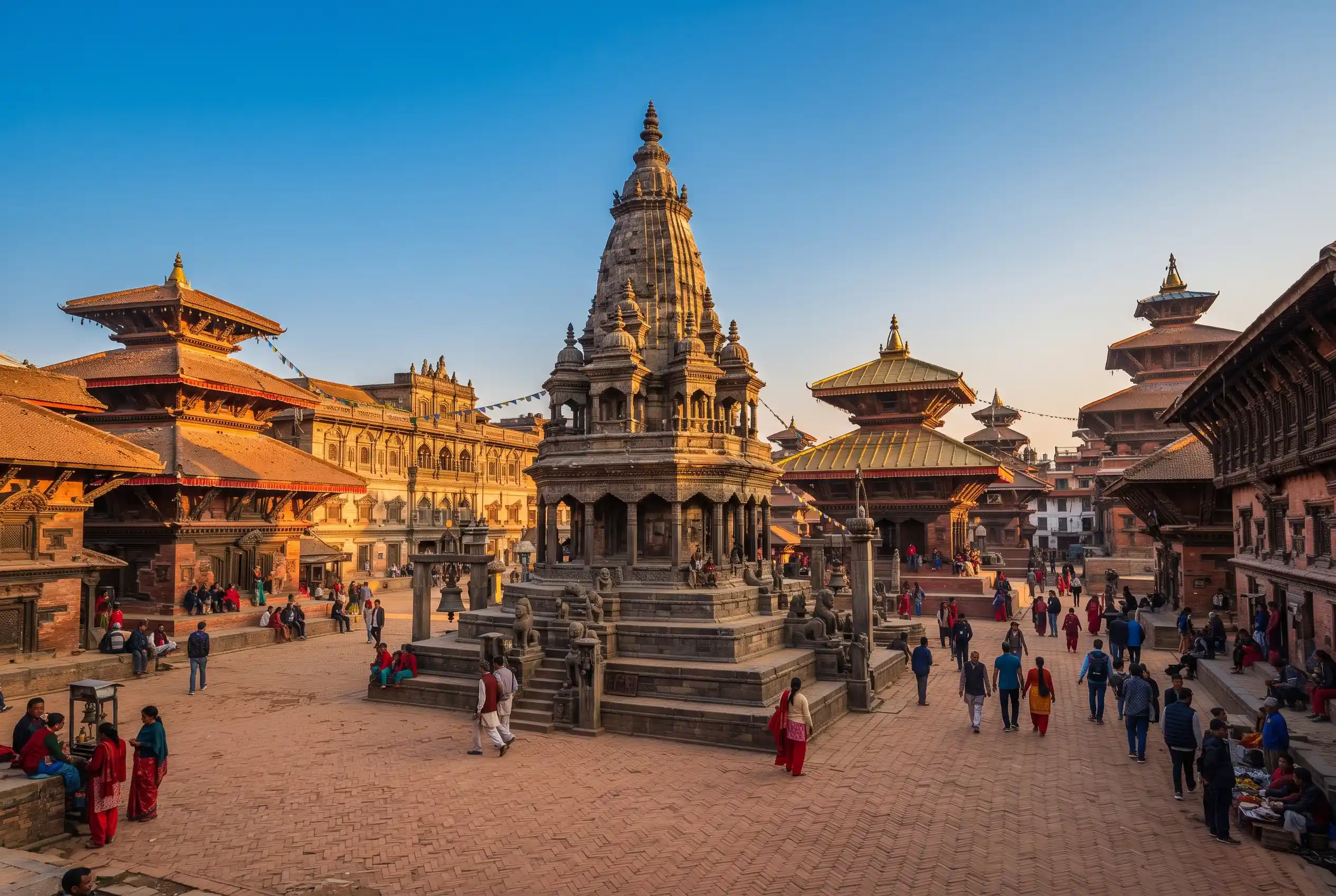
Patan (officially Lalitpur, “City of Beauty”) is Kathmandu’s sister city across the Bagmati River, and many visitors consider its Durbar Square more impressive than Kathmandu’s. The concentration of Newar architecture here is extraordinary: every building within the square is historically significant.
Krishna Mandir, built entirely of stone in the shikhara style (unusual in the Kathmandu Valley, where pagoda architecture dominates), is the centrepiece. The Patan Museum, housed inside the old royal palace, is widely regarded as the best museum in Nepal. It displays bronze statues, ritual objects, and architectural fragments with museum-quality presentation and English signage.
The streets surrounding the square are the traditional metalworking district. Workshops hammering copper and bronze statues operate in the same buildings they have occupied for generations.
Entrance fee: NPR 1,000 (foreigners), includes museum entry | Hours: Square open 24 hours; museum 10 AM – 5 PM | Time needed: 2–3 hours
Bhaktapur Durbar Square
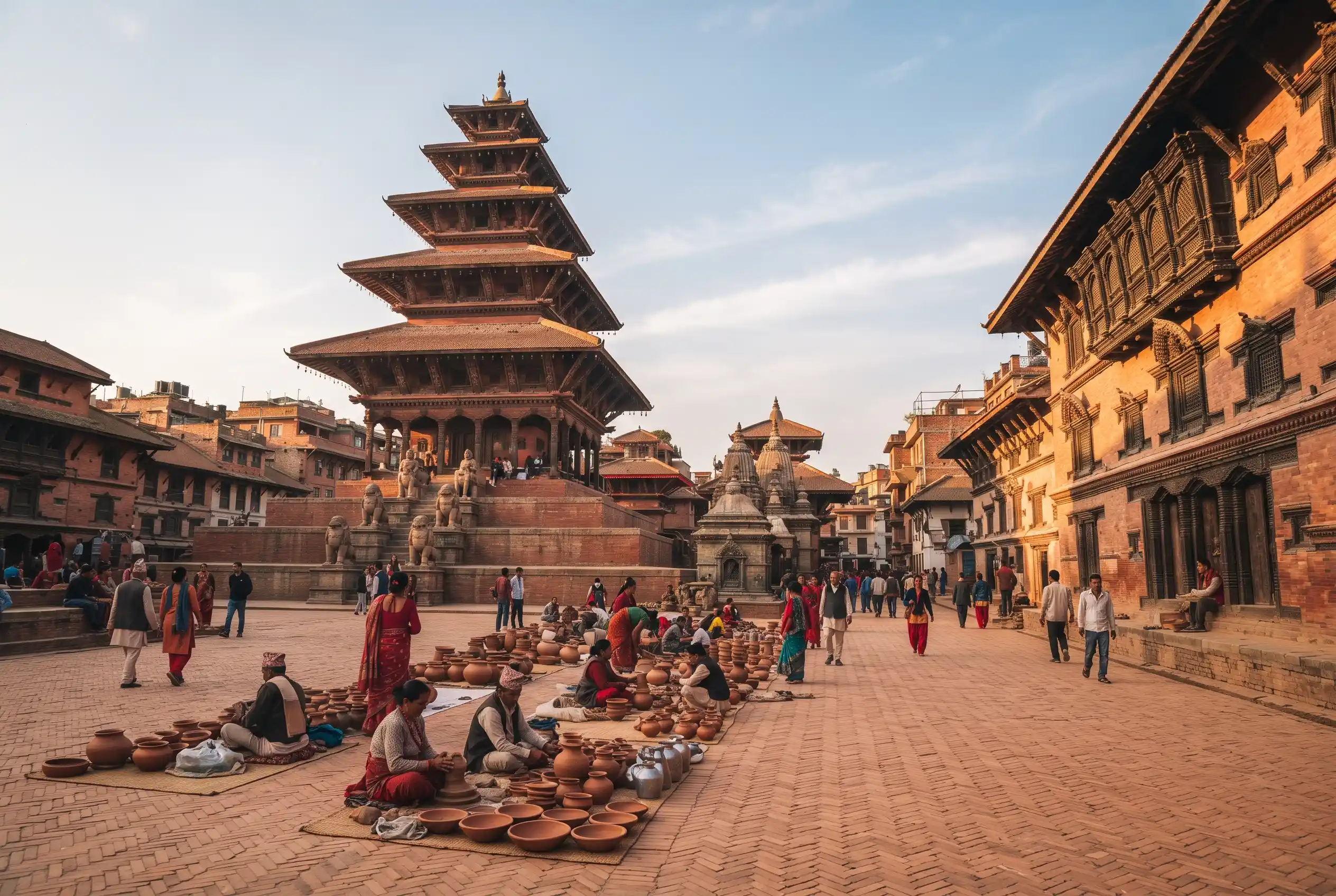
Bhaktapur is 13 kilometres east of Kathmandu, and the entire old city functions as a living museum. The Durbar Square here is the least commercialised of the three, and Bhaktapur itself has the most intact medieval Newar urban fabric in the valley.
The Nyatapola Temple is the tallest pagoda temple in Nepal at five storeys. Each level of the entrance stairway has a pair of guardian figures, each said to be ten times stronger than the one below. The 55-Window Palace, with its wall of intricately carved wooden windows, is the other landmark structure.
Bhaktapur is also known for its pottery. The Pottery Square (Dattatreya area) has potters working at wheels and drying thousands of clay pots in the sun. Juju Dhau, the “king of yoghurt” served in clay bowls, is the local speciality. Do not leave without trying it.
Entrance fee: NPR 1,800 (foreigners), valid for the day or for your entire visa stay with photo ID registration | Hours: Open access | Time needed: Half day (4–5 hours)
Kopan Monastery
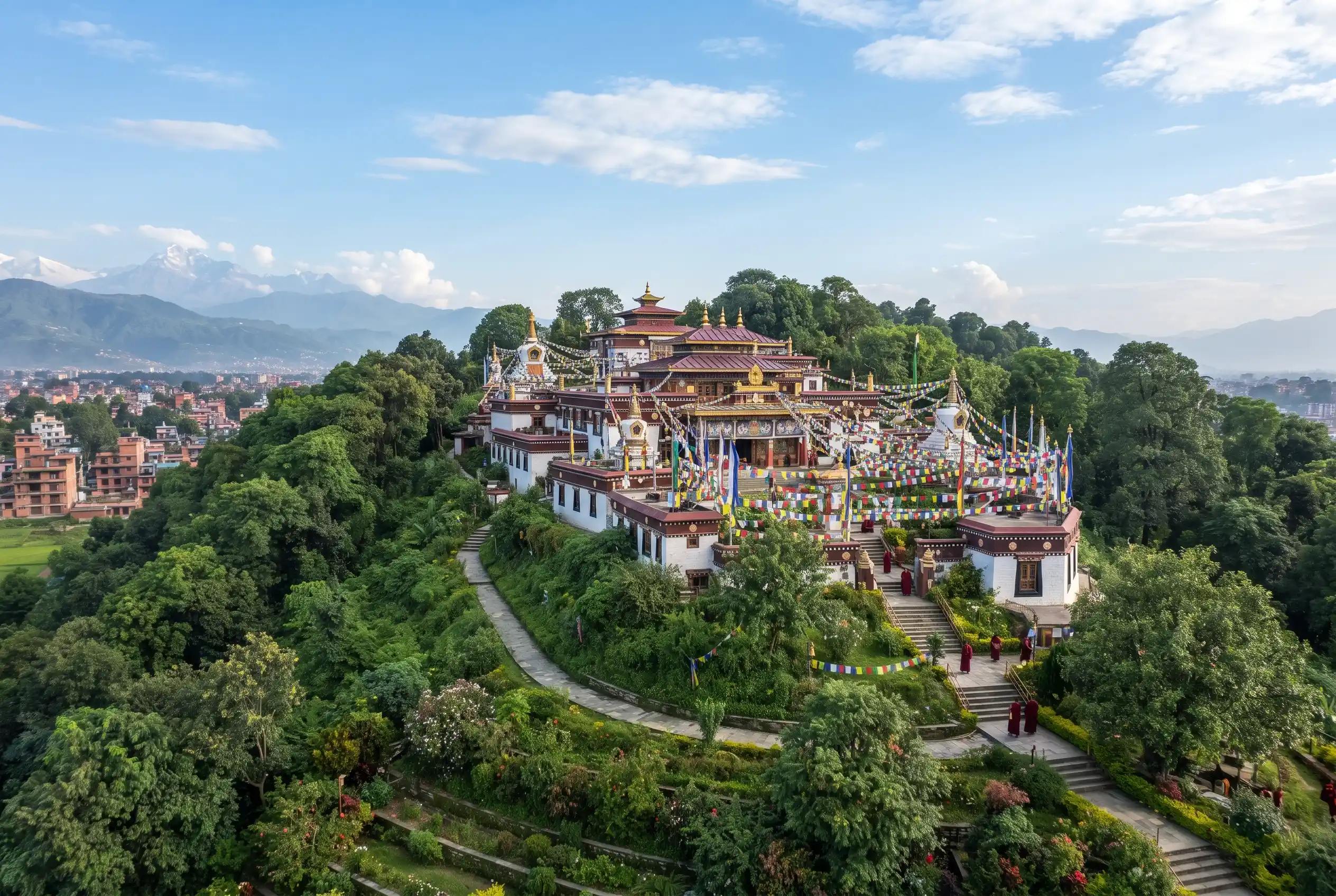
Kopan Monastery sits on a forested hilltop north of Boudhanath and runs meditation courses that attract visitors from around the world. The one-day introductory courses are excellent for beginners: they include guided meditation, a vegetarian lunch, and a tour of the monastery grounds.
The longer residential courses (7–10 days) go deeper into Tibetan Buddhist philosophy and meditation practice. These fill up months in advance, especially the November course, so book early through the monastery’s website.
Even without a course, the monastery is open to casual visitors. The gardens offer a quiet escape from Kathmandu’s noise, and the hilltop views of the valley and Boudhanath Stupa below are among the best in the area.
Entrance fee: Free (donations welcome) | Hours: 9 AM – 5 PM | Time needed: 1–2 hours (half day for a course)
Cultural Attractions and Museums
Garden of Dreams
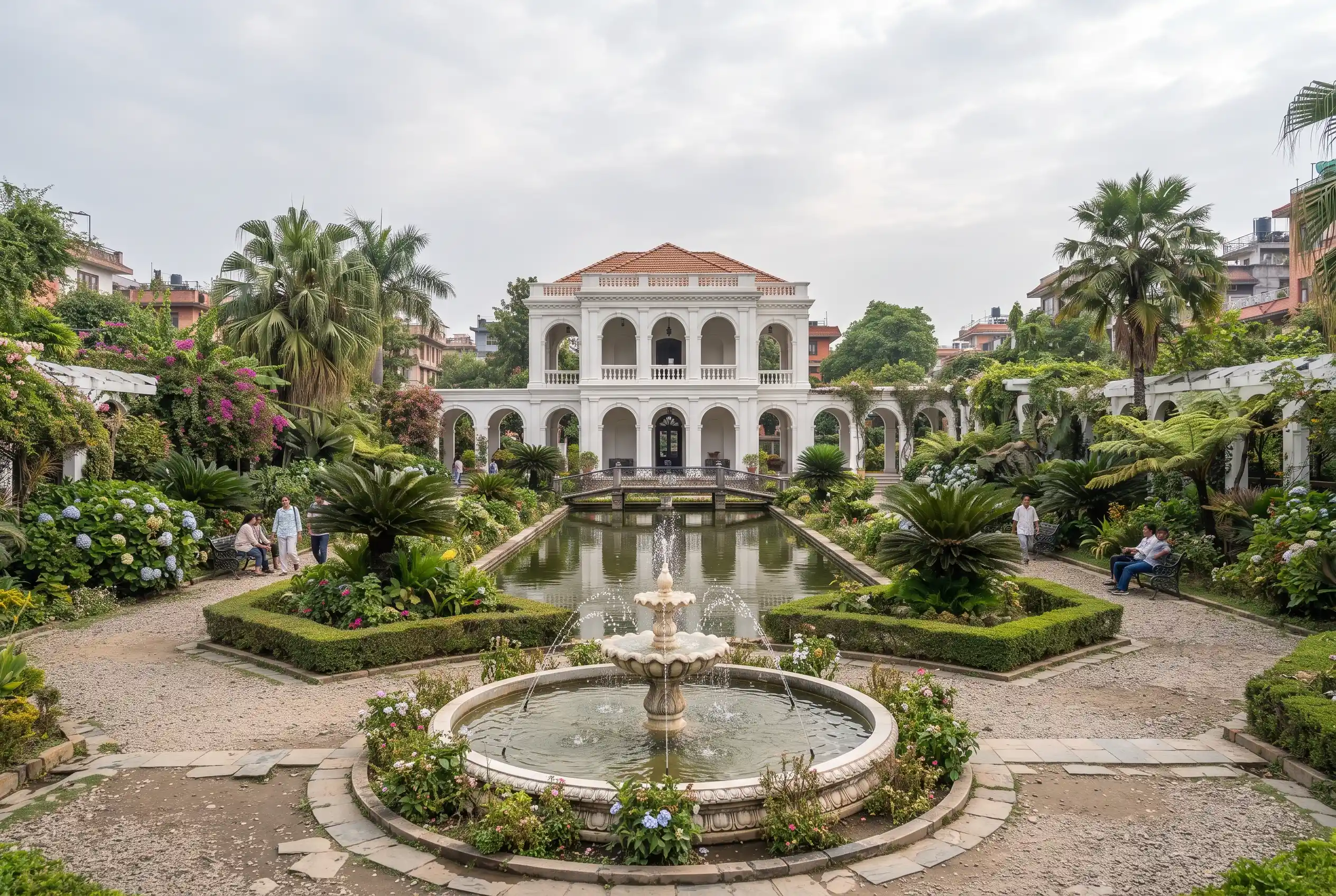
Garden of Dreams is a pocket of European neo-classical architecture in the middle of Kathmandu. Built in 1920 by Field Marshal Kaiser Shumsher Rana, the garden was modelled on European pleasure gardens with pavilions, pergolas, fountains, and ornamental ponds.
After decades of neglect, the garden was restored with Austrian government funding and reopened in 2006. It sits directly next to the main entrance to Thamel, making it an ideal first or last stop when visiting the tourist district. The contrast between Thamel’s chaos and the garden’s quiet is immediate and dramatic.
The garden hosts occasional jazz concerts, film screenings, and cultural events in the evenings. The on-site Kaiser Cafe serves good coffee and Western food at tourist prices.
Entrance fee: NPR 400 (foreigners) | Hours: 7 AM – 7 PM (summer), 7 AM – 6 PM (winter) | Time needed: 45 min – 1.5 hours
Kumari Ghar (Living Goddess Temple)
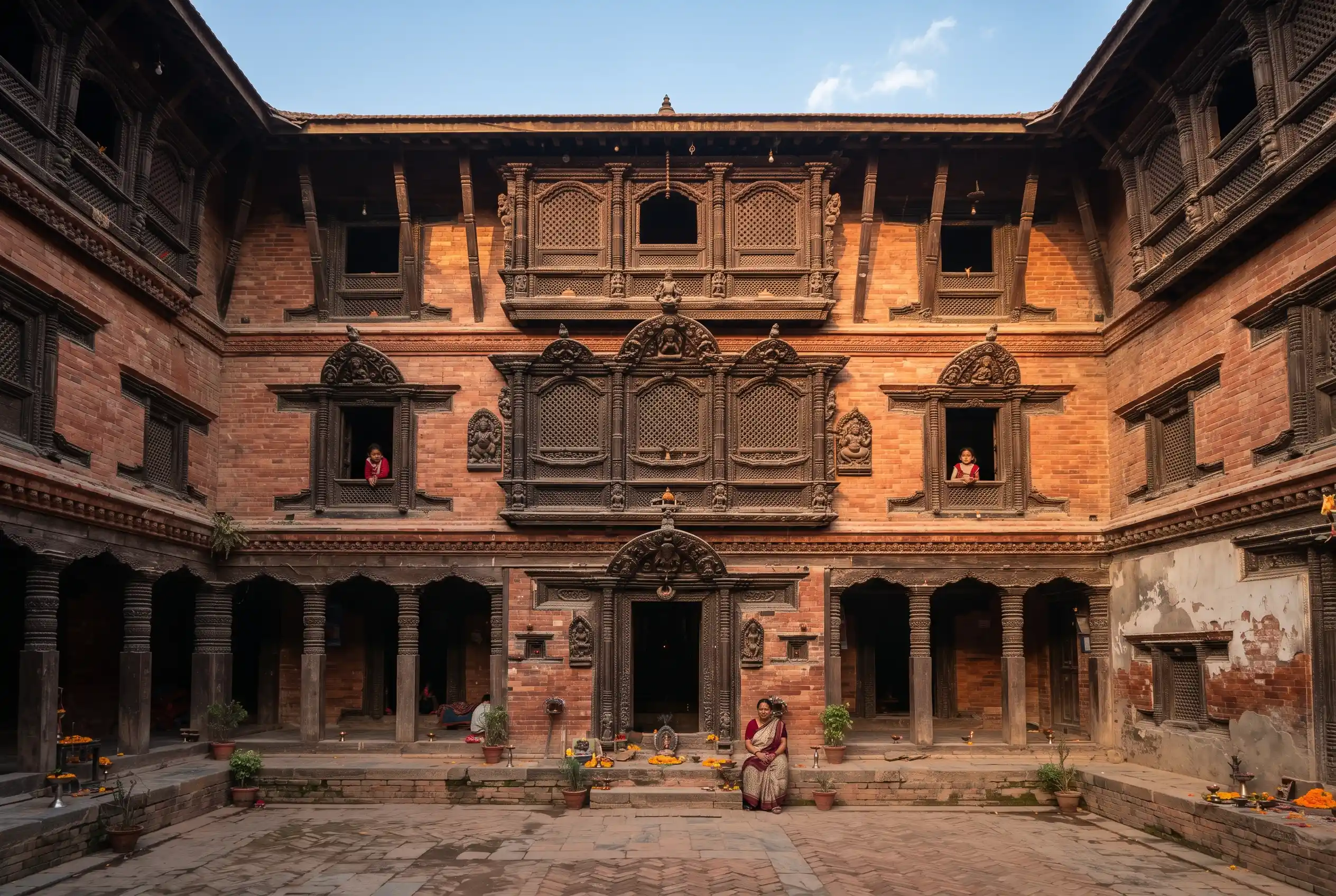
Kumari Ghar is the residence of the Royal Kumari, a young girl selected from the Newar Shakya community to serve as the living incarnation of the Hindu goddess Taleju. The Kumari tradition dates to the 17th century, and the current practice involves selecting a pre-pubescent girl who must meet 32 physical perfection criteria.
The building itself is a masterpiece of Newari woodcarving. The courtyard is open to visitors, and the Kumari occasionally appears at an upper window. Photography of the Kumari herself is strictly prohibited. She makes a brief appearance at irregular intervals, so sightings are not guaranteed.
Entrance fee: Included with Kathmandu Durbar Square ticket | Hours: Courtyard open during Durbar Square hours | Time needed: 20–30 minutes
National Museum of Nepal
The National Museum sits near Swayambhunath and houses Nepal’s most important collection of historical artefacts. The collection spans three buildings: the art gallery (stone and metal sculptures from the Licchavi and Malla periods), the Buddhist art gallery, and the historical building (weapons, coins, and royal regalia).
The Licchavi-era stone sculptures (4th–9th century) are the highlights. Some are museum-quality pieces that would anchor collections in larger institutions. The leather cannon collection and historical weapons display in the military building are unexpectedly interesting.
Entrance fee: NPR 150 (foreigners) | Hours: 10:30 AM – 4:30 PM, closed Tuesday | Time needed: 1–2 hours
Asan Tole Market
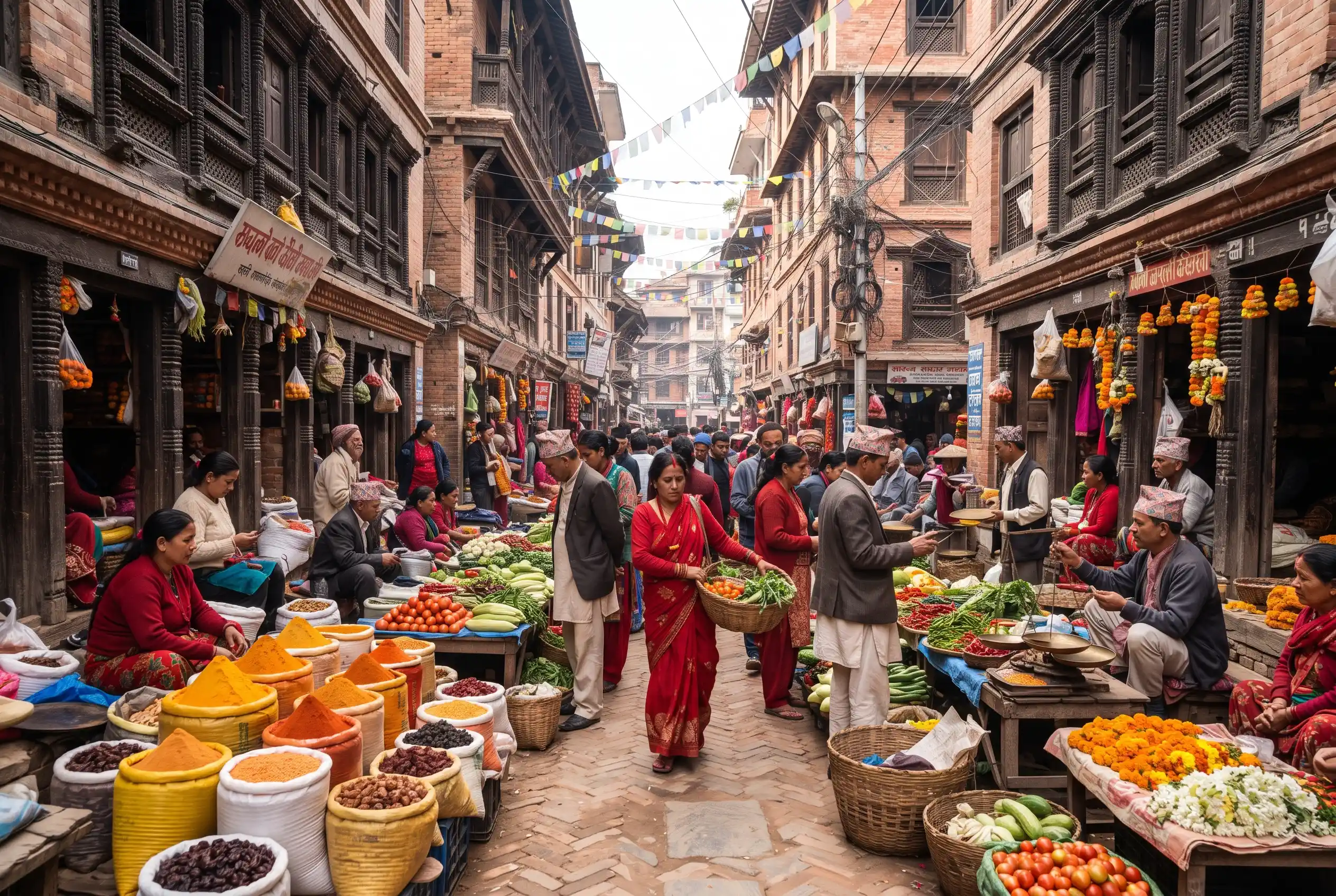
Asan Tole is the oldest and busiest market intersection in Kathmandu. Six streets converge here, and the resulting chaos of vendors, motorcycles, rickshaws, and pedestrians is Kathmandu at its most concentrated. Spices, dried fish, fresh vegetables, religious offerings, and household goods pile on every surface.
The Annapurna Temple at the intersection’s centre is dedicated to the goddess of grain and abundance. Locals stop to make offerings throughout the day. The streets radiating from Asan lead to other traditional market areas: Indra Chowk (glass beads and blankets), Kel Tole (brass and copperware), and the spice market near New Road.
Visit in the morning (8–10 AM) when the market is at peak activity. The walk from Asan to Kathmandu Durbar Square takes about 20 minutes through narrow lanes and is one of the best walking routes in the old city.
Entrance fee: Free | Hours: Open daily, busiest 8 AM – 6 PM | Time needed: 1–1.5 hours
Thamel District: Shopping, Food and Nightlife
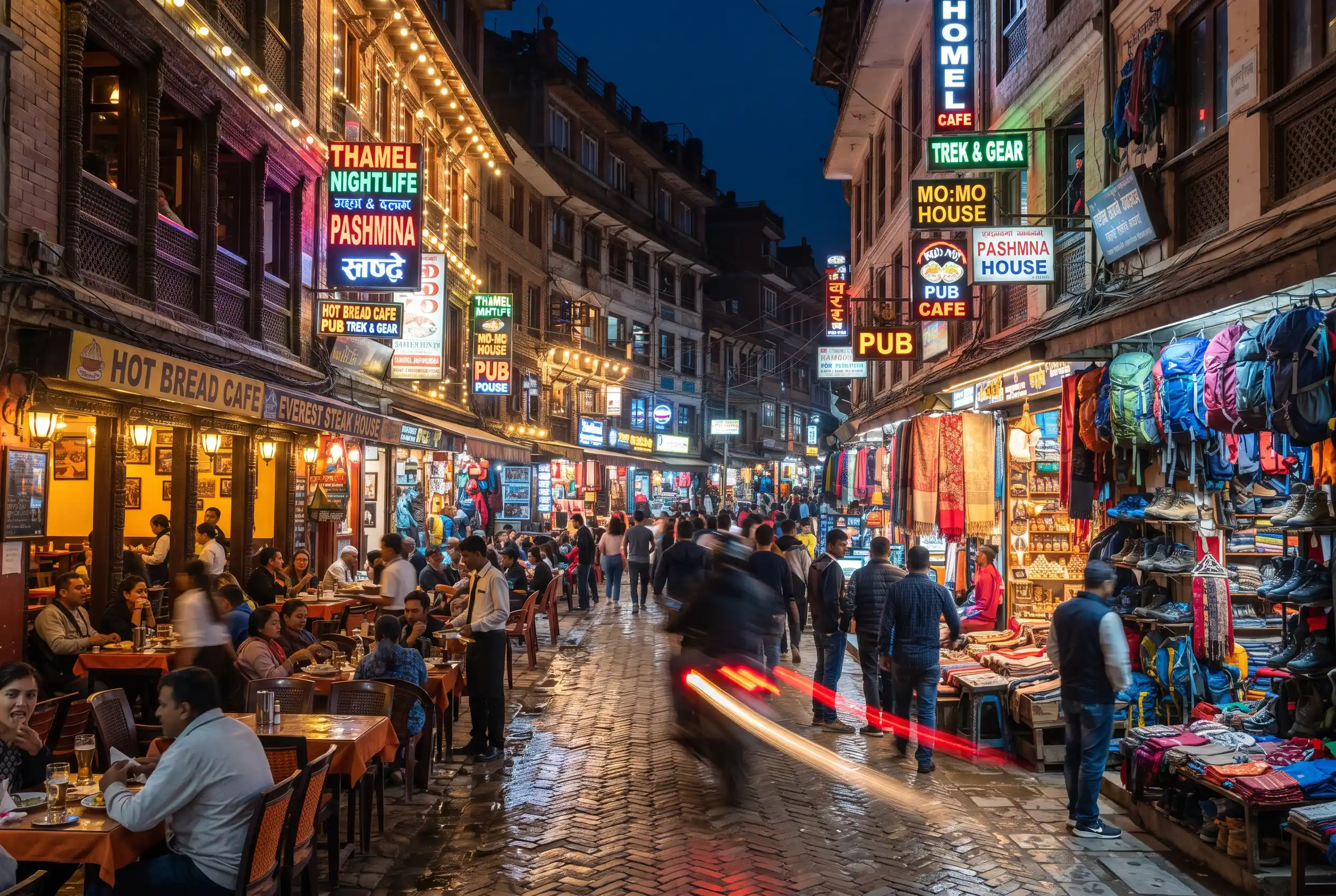
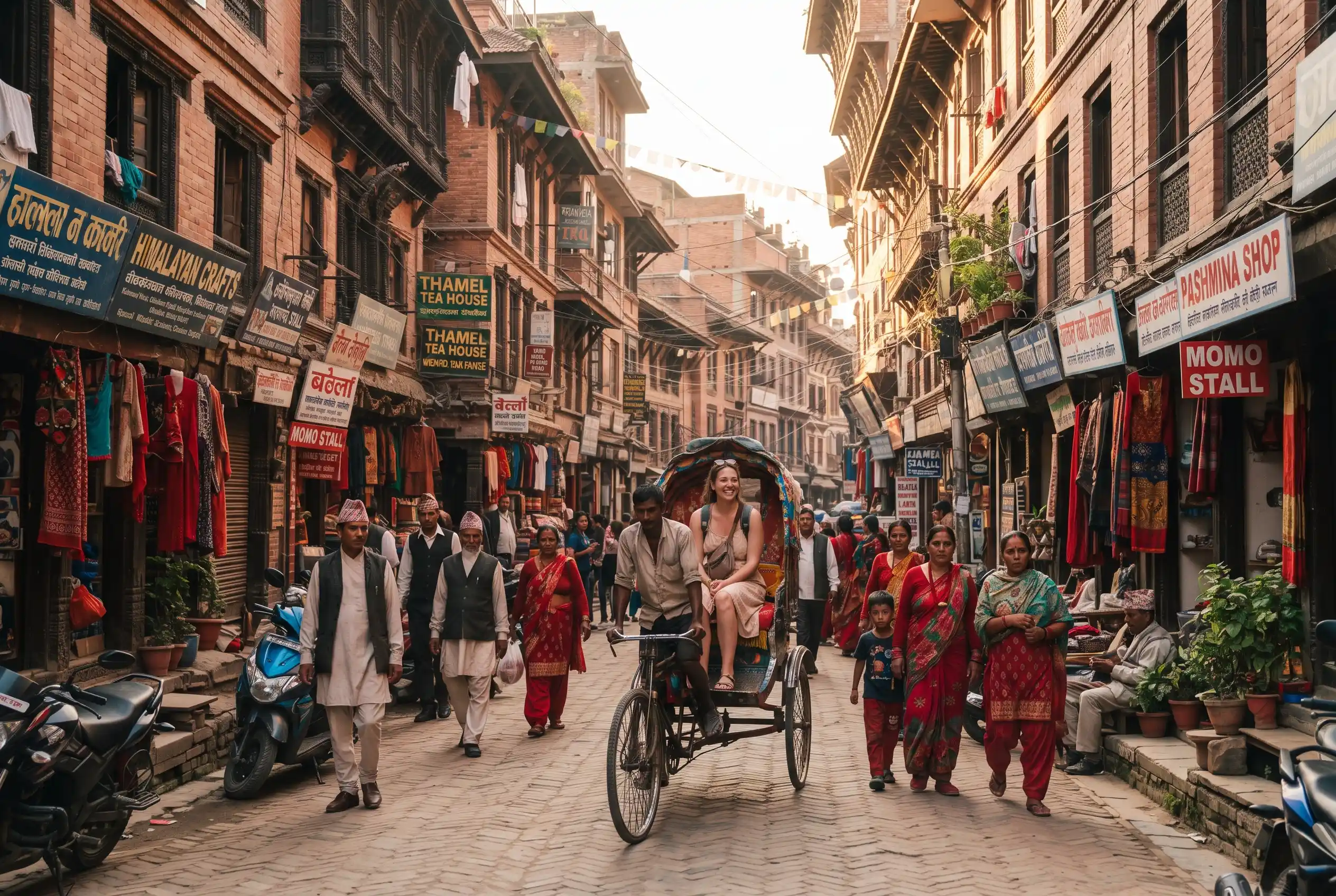
Thamel is Kathmandu’s main tourist district and the staging ground for every Himalayan trek. The neighbourhood is a dense grid of narrow streets filled with trekking gear shops, travel agencies, restaurants, rooftop bars, and budget hotels. For better or worse, this is where most visitors spend their non-sightseeing hours.
The shopping is the main draw. Thamel has hundreds of shops selling pashmina shawls, singing bowls, thankas (Tibetan scroll paintings), handmade paper products, and knockoff trekking gear. Genuine North Face and other brand-name gear is available at authorised dealers, but the majority of branded items in Thamel are copies. Quality varies widely.
For dining, Thamel covers every price point. Street momos (Nepali dumplings) cost NPR 100–150 for a plate of 10. Mid-range restaurants serve Nepali, Tibetan, Indian, and Western food for NPR 400–800 per main course. Upscale spots like OR2K and Fire & Ice (Kathmandu’s famous pizza restaurant since 1995) run NPR 800–1,500.
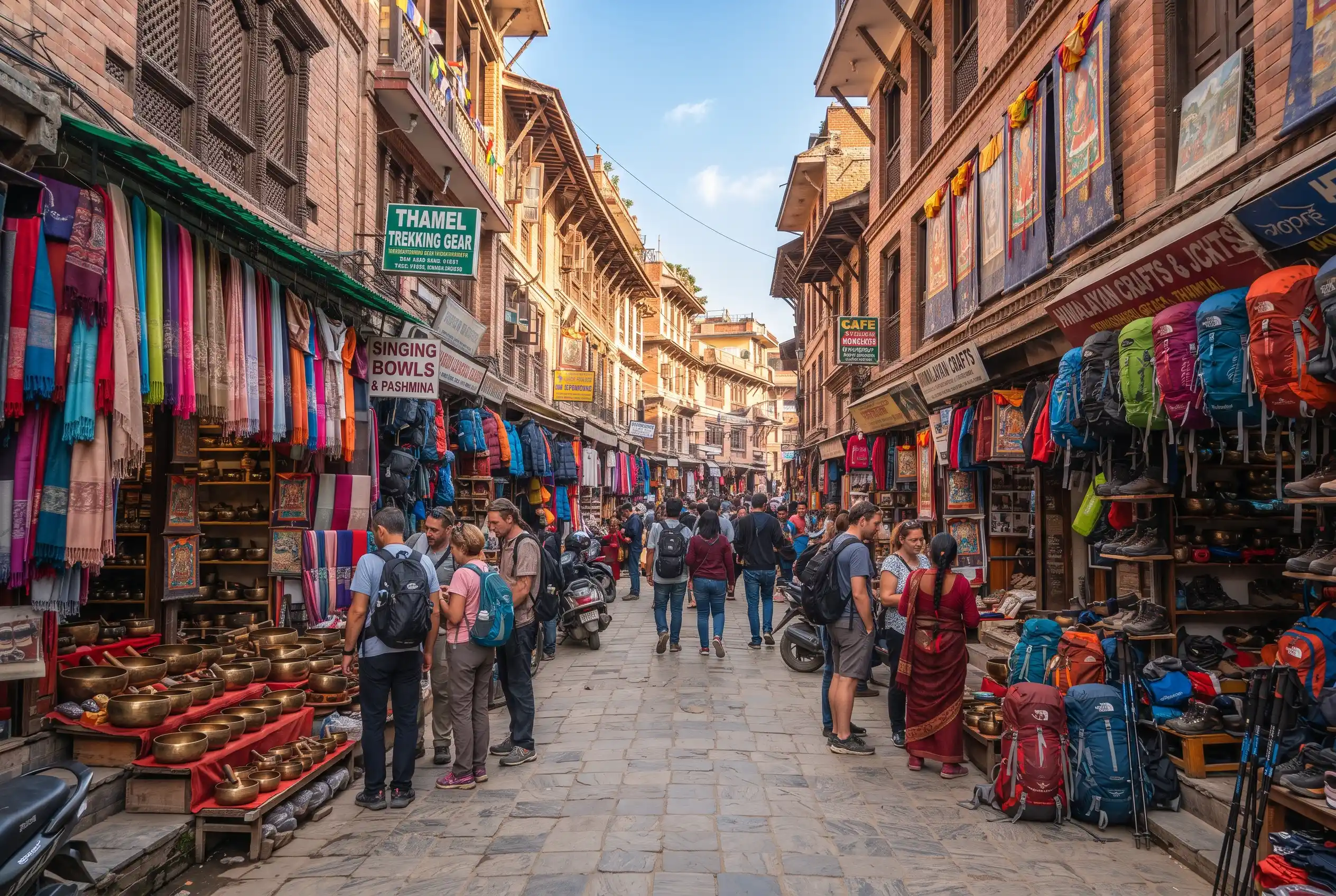
Thamel nightlife centres on a handful of bars and live music venues. Sam’s Bar, Purple Haze, and Jazz Upstairs are the long-standing favourites. Most venues close by midnight, though some stretch to 1 AM on weekends. The scene is relaxed and mixed: trekkers celebrating a completed route, backpackers making plans, and local Nepalis on a night out.
Entrance fee: Free | Best hours: Shopping 10 AM – 8 PM; nightlife from 7 PM | Time needed: Half day to a full evening
Best Places to Visit Near Kathmandu
Several of the best sightseeing spots in the Kathmandu Valley are outside the city itself. These day trips take between one and four hours each way and offer a break from the urban density.
Nagarkot
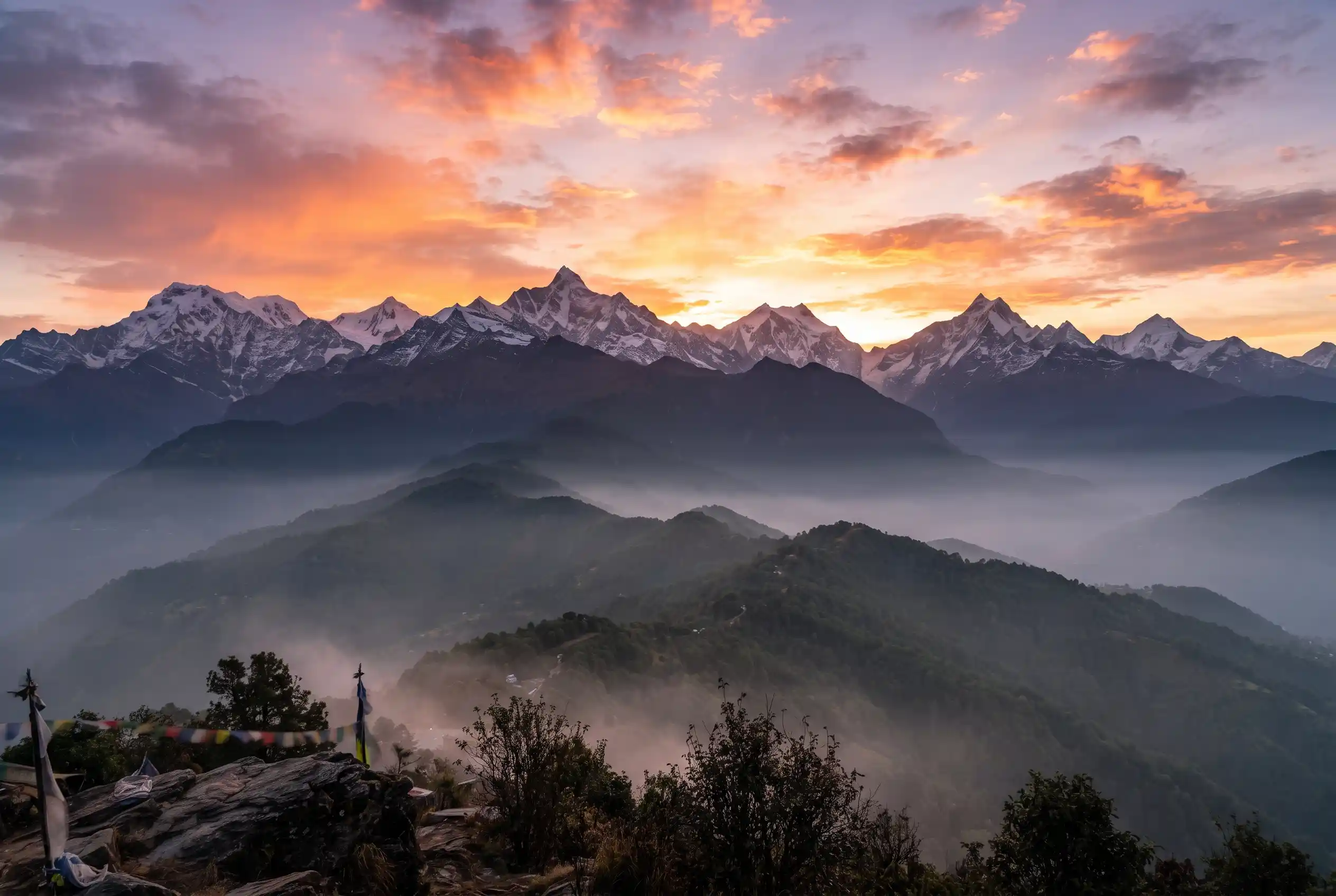
Nagarkot is 32 kilometres east of Kathmandu at 2,175 metres elevation and is the most popular sunrise viewpoint near the city. On clear mornings (most common October through March), the panorama stretches from Dhaulagiri in the west to Everest in the east, covering over 300 kilometres of the Himalayan range.
Most visitors drive up the evening before, stay overnight in a hilltop hotel, and watch the sunrise from the viewpoint tower. Budget hotels start at NPR 2,000–3,000 per night; mid-range options with mountain-view rooms run NPR 5,000–10,000. The alternative is a very early morning drive from Kathmandu (depart by 4:30 AM) or hiring a private car the night before.
The drive takes about 1.5 hours from Thamel. Local buses run from Kathmandu’s Kalanki bus station but are slow and infrequent.
Distance from Kathmandu: 32 km (1.5 hours by car) | Entrance fee: Free | Best for: Sunrise, mountain photography, overnight escape
Changu Narayan Temple
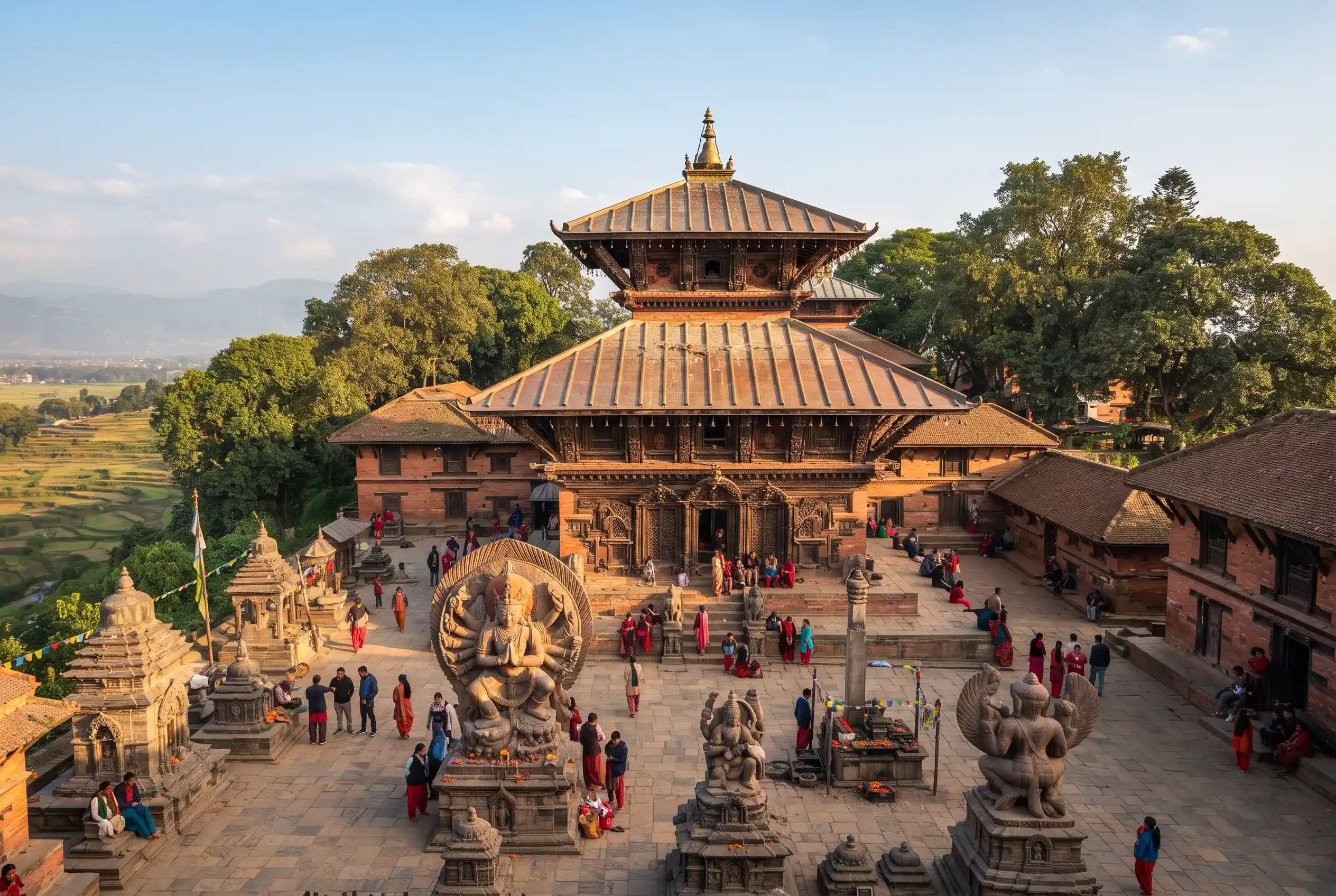
Changu Narayan is the oldest temple in the Kathmandu Valley, dating to the 4th century. The hilltop location east of Kathmandu offers views across terraced farmland to the mountains, and the temple complex contains some of the finest stone and metal sculptures in Nepal.
The Vishnu Vikranta statue (a 5th-century depiction of Vishnu in his cosmic form) and the Garuda statue kneeling before the main temple are the standout pieces. Art historians rank these among the most important sculptures in South Asia.
Changu Narayan is often combined with a visit to Bhaktapur (6 km away) or as the endpoint of a scenic ridge walk from Nagarkot (about 3–4 hours downhill).
Distance from Kathmandu: 22 km (45 min by car) | Entrance fee: NPR 300 (foreigners) | Time needed: 1–1.5 hours
Dhulikhel
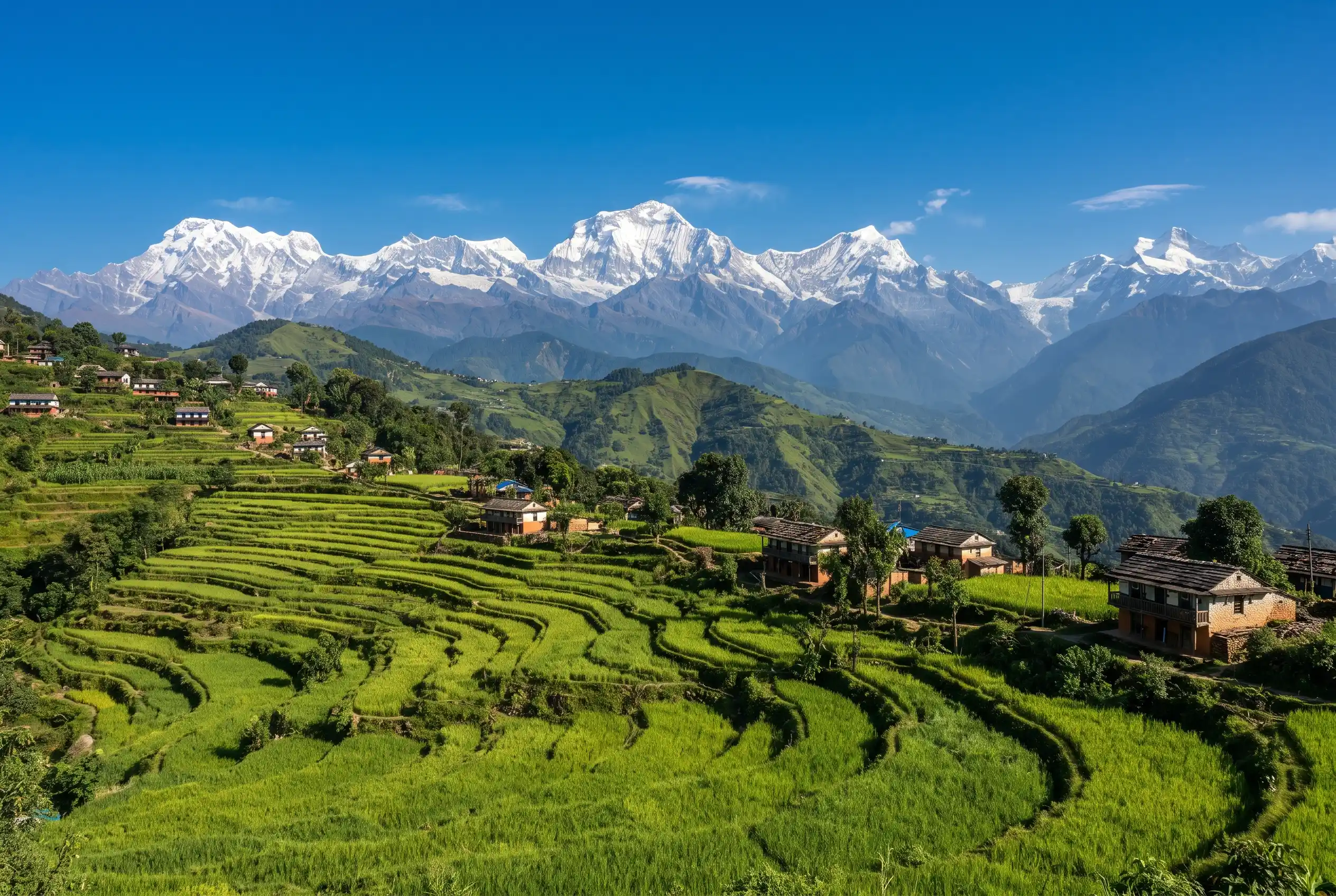
Dhulikhel is a quieter alternative to Nagarkot with equally good mountain views and a more authentic town atmosphere. The old town centre has traditional Newar architecture, small temples, and narrow brick lanes. The views of the eastern Himalayan range from the hilltop above town are spectacular on clear days.
Dhulikhel is also a base for day hikes. The walk to Namobuddha (a Buddhist pilgrimage site 10 km south) passes through terraced farmland and small Tamang villages. The 3–4 hour one-way hike can be done as a day loop or extended with a night at Namobuddha’s monastery guesthouse.
Distance from Kathmandu: 30 km (1 hour by car) | Entrance fee: Free | Best for: Mountain views, hiking, overnight escape
Pharping and Dakshinkali
Pharping is a pilgrimage town 19 kilometres south of Kathmandu, important to both Hindus and Buddhists. The Asura Cave, where Guru Padmasambhava is said to have meditated and attained enlightenment, draws Tibetan Buddhist pilgrims from across the region. Several Tibetan monasteries dot the hillside.
Nearby Dakshinkali Temple is dedicated to the goddess Kali and is one of the most active sacrifice temples in the valley. Animal sacrifices take place on Tuesdays and Saturdays. Visitors who are uncomfortable with animal sacrifice should visit on other days, when the temple is calm and atmospheric.
Distance from Kathmandu: 19 km (40 min by car) | Entrance fee: Free | Time needed: 2–3 hours for both sites
Places to Visit in Kathmandu Valley
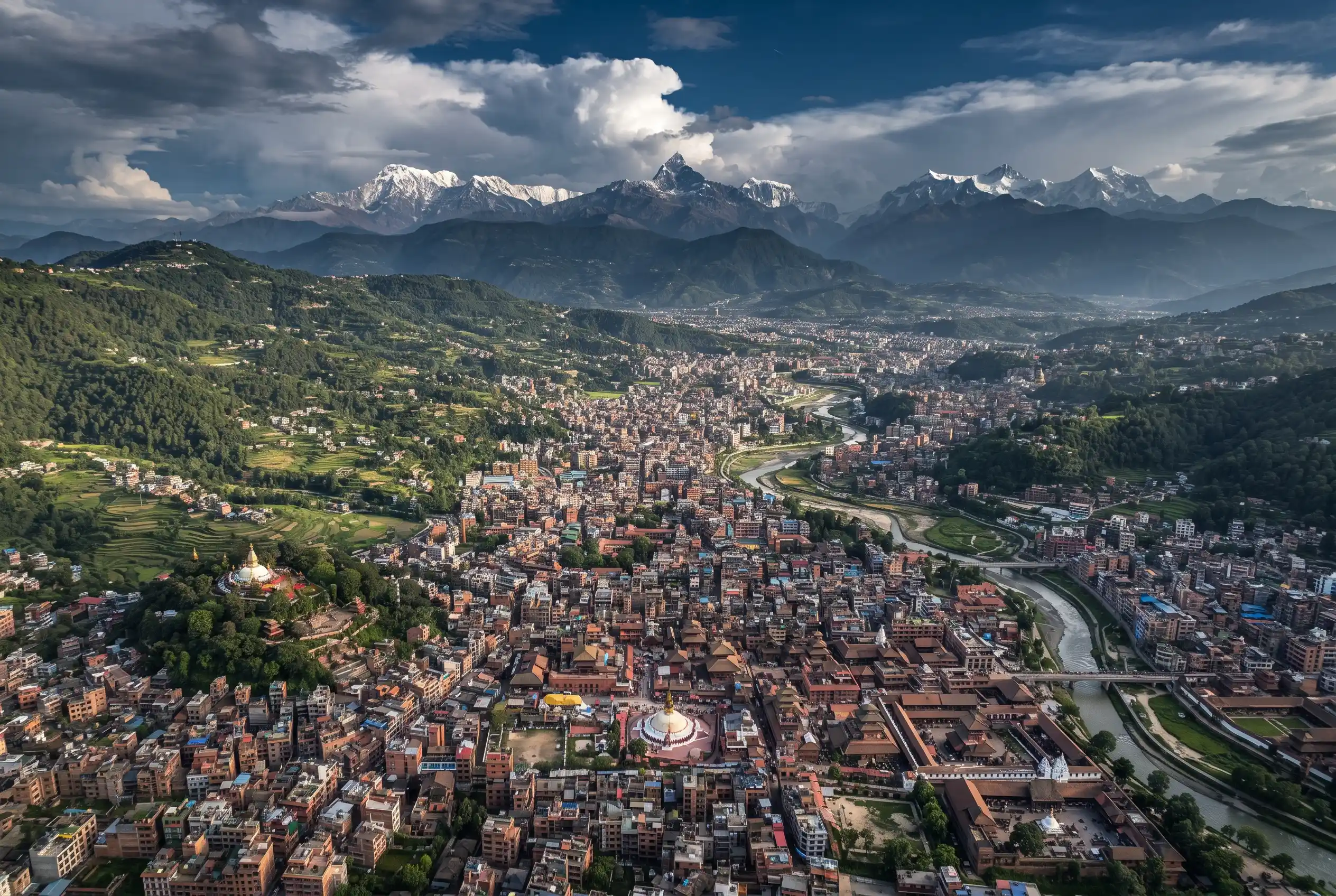
The Kathmandu Valley contains seven UNESCO World Heritage monument zones spread across three historic cities (Kathmandu, Patan, and Bhaktapur) and their surroundings. Beyond the major sites listed above, several lesser-known spots reward visitors willing to go slightly off the standard circuit.
Kirtipur: A hilltop Newar town 5 km southwest of Kathmandu with ancient temples, no entrance fee, and almost no tourists. The views from the hilltop and the traditional Newar food at Newa Lahana restaurant are both worth the short trip.
Budhanilkantha: A sleeping Vishnu statue carved from a single block of black basalt, lying in a recessed water tank. The 5th-century statue is 5 metres long and is one of the most impressive single sculptures in the valley. Located 10 km north of Kathmandu. Free entry.
Chobar Gorge: Where the Bagmati River exits the Kathmandu Valley through a narrow limestone gorge. Legend says the bodhisattva Manjushri cut the gorge with his sword to drain the primordial lake that once filled the valley. The Adinath Temple on the hilltop above offers views of the gorge and valley. 8 km south of central Kathmandu.
Sankhu: One of the oldest Newar settlements in the valley, located at the base of the hills northeast of Kathmandu. The Vajra Yogini Temple above town is an important tantric Buddhist pilgrimage site. Few tourists visit. Local bus from Kathmandu (1 hour).
Best Time to Visit Kathmandu
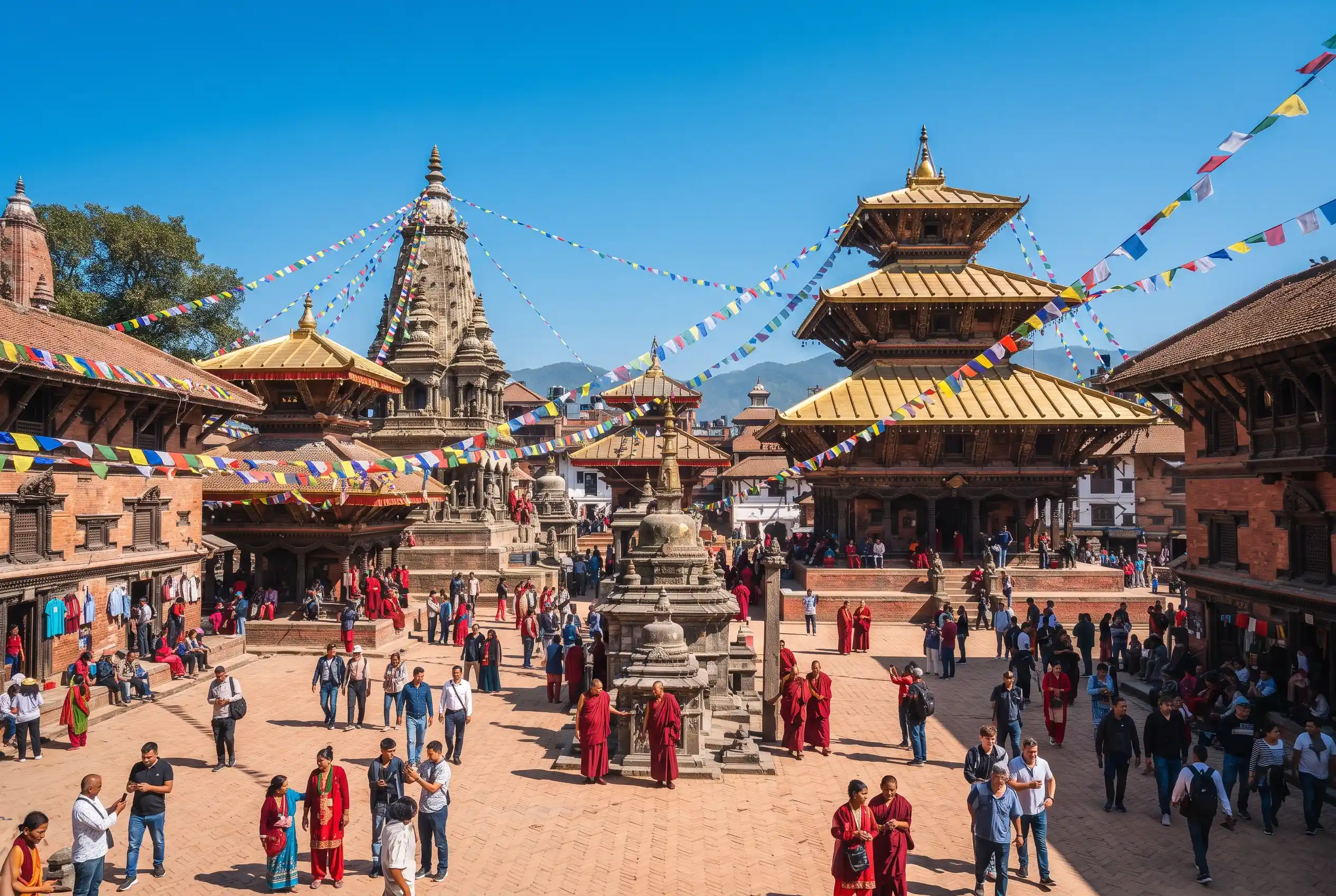
Kathmandu sits at 1,400 metres elevation and has a subtropical highland climate with a distinct monsoon season. The timing of your visit significantly affects what you see and experience.
October – November (peak season): The best months. Post-monsoon skies are the clearest of the year, temperatures are comfortable (15–25°C), the landscape is green from recent rains, and major festivals (Dashain, Tihar) bring the city to life. Mountain views from Nagarkot and Dhulikhel are at their best. Hotels fill up and prices rise.
December – February (winter): Cold mornings (2–10°C) but clear skies and few tourists. Some mountain viewpoints get frost. Budget hotels without heating can be uncomfortable. Afternoons warm up nicely (15–20°C). Good for sightseeing without crowds.
March – April (spring): Warming temperatures, rhododendron blooms in the hills, and the Holi festival (March). Haze starts building toward the end of April, reducing mountain visibility. Second-best season after autumn.
May – September (monsoon): Heavy rain, landslides on mountain roads, and poor visibility. Kathmandu gets roughly 80% of its annual rainfall between June and September. Temple sightseeing is still possible between downpours, but day trips to viewpoints are often wasted in cloud. Lowest hotel prices.
Kathmandu Entrance Fees and Opening Hours
Entrance fees for foreign visitors at Kathmandu’s major sites add up quickly. This table summarises the current rates so you can budget accordingly. SAARC nationals (India, Pakistan, Bangladesh, Sri Lanka, Maldives, Bhutan, Afghanistan) pay reduced rates at most sites.
| Site | Foreigner Fee (NPR) | SAARC Fee (NPR) | Hours |
|---|---|---|---|
| Swayambhunath | 200 | 100 | 24 hours |
| Boudhanath Stupa | 400 | 100 | 24 hours |
| Pashupatinath Temple | 1,000 | Free | 4 AM – 9 PM |
| Kathmandu Durbar Square | 1,000 | 150 | Open access |
| Patan Durbar Square | 1,000 | 250 | 24 hours; museum 10 AM – 5 PM |
| Bhaktapur Durbar Square | 1,800 | 500 | Open access |
| Garden of Dreams | 400 | 100 | 7 AM – 7 PM (summer) |
| National Museum | 150 | 50 | 10:30 AM – 4:30 PM, closed Tue |
| Changu Narayan | 300 | 100 | Daylight hours |
Budget tip: The total cost for all major sites is approximately NPR 6,250 (around $47 USD) per person. Bhaktapur’s NPR 1,800 ticket is valid for your entire visa stay if you register at the ticket office with a passport photo, making it the best value if you plan to return.
Cultural Etiquette for Visitors
Kathmandu’s temples and sacred sites have dress codes and behavioural expectations that are not always posted at the entrance. Knowing them in advance avoids awkward corrections from guards and locals.
- Remove shoes before entering any temple or shrine. This applies to Hindu and Buddhist sites equally. Wear shoes that slip on and off easily.
- Cover shoulders and knees at Hindu temples. Pashupatinath and the Durbar Square temples enforce this. Carry a scarf or shawl as a quick cover-up.
- Walk clockwise around Buddhist stupas and monuments. This applies at Boudhanath, Swayambhunath, and all smaller chaityas. Spin prayer wheels clockwise as well.
- Do not touch religious statues, offerings, or ritual objects unless invited by a priest or monk. The butter lamps, flower garlands, and red tikka powder at temple entrances are for devotees.
- Ask before photographing people, especially sadhus, monks, and women. Most sadhus at Pashupatinath expect NPR 100–200 for posed photos. Never photograph cremation pyres from close range.
- Use your right hand when giving or receiving anything. The left hand is considered impure in Nepali culture. This applies to money, food, and handshakes.
- Do not point your feet at people, religious objects, or altars. When sitting on the ground in a temple, tuck your feet underneath you or to the side.
- Leather items are prohibited inside Hindu temples. Leave leather belts, bags, and shoes outside the temple boundaries.
Suggested Itineraries
One Day in Kathmandu
Morning: Swayambhunath at sunrise (1.5 hours) → Kathmandu Durbar Square and Kumari Ghar (2 hours). Lunch: Momos at a Thamel restaurant. Afternoon: Boudhanath Stupa (1.5 hours) → Pashupatinath Temple (1.5 hours). Evening: Dinner and shopping in Thamel.
Two Days in Kathmandu
Day 1: Follow the one-day itinerary above. Day 2: Patan Durbar Square and Patan Museum (2.5 hours) → Asan Tole market walk (1 hour) → Garden of Dreams (1 hour). Afternoon: Kopan Monastery or National Museum. Evening: Rooftop dinner with mountain views (try the Dwarika’s Hotel terrace restaurant).
Three Days in Kathmandu
Day 1–2: Follow the two-day itinerary. Day 3: Full-day trip to Bhaktapur (half day) and Changu Narayan (1.5 hours), or drive to Nagarkot the evening before for a sunrise view followed by the ridge walk down to Changu Narayan. Return to Kathmandu by afternoon. Alternatively, swap Nagarkot for Dhulikhel and a hike to Namobuddha.
Frequently Asked Questions
What are the must-see tourist places in Kathmandu for first-time visitors?
The five essential sites are Swayambhunath (Monkey Temple), Boudhanath Stupa, Pashupatinath Temple, Kathmandu Durbar Square, and the Thamel district. If you have a second day, add Patan Durbar Square and the Garden of Dreams. These seven locations cover Kathmandu’s religious, cultural, and commercial highlights and can be visited in two full days.
How many days do you need in Kathmandu?
Two full days cover the major sightseeing spots within the city. Three days let you add Bhaktapur and a day trip to Nagarkot or Dhulikhel. Most trekkers allocate one day before and one day after their trek. If Kathmandu is your primary destination rather than a trekking base, four to five days gives you time to explore the valley at a relaxed pace.
What are the best places to visit in Kathmandu Valley?
Beyond Kathmandu city, the valley’s top sites are Bhaktapur Durbar Square, Patan Durbar Square, Changu Narayan Temple, Budhanilkantha (sleeping Vishnu statue), and Kirtipur. For mountain views, Nagarkot and Dhulikhel are the go-to day trips. The entire valley is a UNESCO World Heritage zone with seven monument groups spread across the three historic cities.
What are the best places to visit in Kathmandu for couples?
Garden of Dreams is the most popular spot for couples in Kathmandu: quiet, green, and romantic. The rooftop restaurants around Boudhanath Stupa are ideal for an evening together. For an overnight escape, Nagarkot or Dhulikhel offer boutique hotels with mountain-view rooms and a peaceful atmosphere away from the city noise. In the city itself, a sunset visit to Swayambhunath followed by dinner at one of Patan’s courtyard restaurants makes a memorable evening.
What are the best picnic spots in or near Kathmandu?
Shivapuri Nagarjun National Park (20 minutes north of Kathmandu) has shaded forest trails and meadows ideal for picnics, with a NPR 1,000 entry fee. Godavari Botanical Garden (south of Patan) is another option with maintained grounds and relatively few visitors on weekdays. Inside the city, Garden of Dreams permits picnicking on the lawns. For a full-day outing, Nagarkot’s hilltop fields offer mountain views alongside your picnic.
What are the best places near Kathmandu for a night stay?
Nagarkot is the top choice: a 90-minute drive from Kathmandu with hotels ranging from NPR 2,000 to NPR 15,000 per night, all with Himalayan views. Dhulikhel is a quieter alternative with better hiking options and a more traditional town atmosphere. Bhaktapur itself is worth an overnight stay once the day-trippers leave; the medieval city at night, with oil lamps and empty squares, is a different experience entirely. Namo Buddha, south of Dhulikhel, has a monastery guesthouse for a truly off-grid night.
What is Thamel known for?
Thamel is Kathmandu’s main tourist and backpacker district. It is known for trekking gear shops (both genuine and counterfeit), travel agencies that arrange treks and tours, restaurants serving international and Nepali food, budget to mid-range hotels, and nightlife bars. It is also the most convenient area to buy souvenirs, exchange currency, and book onward travel. Most visitors stay in or near Thamel.
Is Kathmandu safe for tourists?
Kathmandu is generally safe for tourists. Violent crime against visitors is rare. The main risks are petty theft (pickpocketing in crowded areas like Thamel and Asan), traffic accidents (roads are chaotic and pedestrian infrastructure is limited), and altitude sickness if you fly directly to high-altitude trekking destinations without acclimatisation. Air quality in winter can aggravate respiratory conditions. Drink only bottled or filtered water. Standard travel precautions apply.
What is the best month to visit Kathmandu Nepal?
October and November are the best months. The monsoon has ended, skies are clear, temperatures are comfortable (15–25°C), and the major festivals of Dashain and Tihar bring the city to life. March and April are the second-best window, with warmer weather and rhododendron blooms in the surrounding hills. Avoid June through September if clear mountain views are important to you.
How much does a day of sightseeing in Kathmandu cost?
A full day hitting the major sites costs approximately NPR 3,000–4,000 ($22–30 USD) in entrance fees alone. Add NPR 1,000–2,000 for taxis between sites, NPR 500–1,500 for meals, and NPR 200–500 for water and snacks. Total budget for a full day of sightseeing: around NPR 5,000–8,000 ($37–60 USD) per person. Hiring a private car with driver for the day costs NPR 4,000–6,000 and is the most efficient way to cover multiple sites.
Can I walk between the main tourist places in Kathmandu?
Some sites are walkable from each other: Kathmandu Durbar Square to Asan Tole is a 20-minute walk through the old city, and both are within walking distance of Thamel (15–20 minutes). Swayambhunath is a 30-minute walk west of Thamel. However, Boudhanath, Pashupatinath, and Patan are each 4–7 km from central Kathmandu and require a taxi (NPR 300–600) or ride-sharing app. Bhaktapur is 13 km away and needs a bus or taxi.
Do I need a guide to visit Kathmandu’s temples?
A guide is not required at any Kathmandu heritage site. All major sites have English signage, and the historical context is straightforward enough to appreciate independently with a good guidebook or this article. That said, a licensed local guide adds depth: the symbolism in Newar wood carvings, the stories behind specific deities, and the significance of ongoing rituals are not always obvious to first-time visitors. Half-day guided tours of central Kathmandu cost NPR 3,000–5,000 through agencies in Thamel.