The Norwegian fjords are the defining landscape of Norway: deep blue inlets of sea water that wind for miles between sheer cliffs, past waterfalls, farms clinging to green ledges, and villages at the water’s edge. Carved by glaciers over millions of years, they are among the most dramatic scenery in Europe, and two of them are UNESCO World Heritage Sites. This guide covers the best Norwegian fjords to visit, how to see them by cruise, train, or car, and when to go.
What are the Norwegian fjords
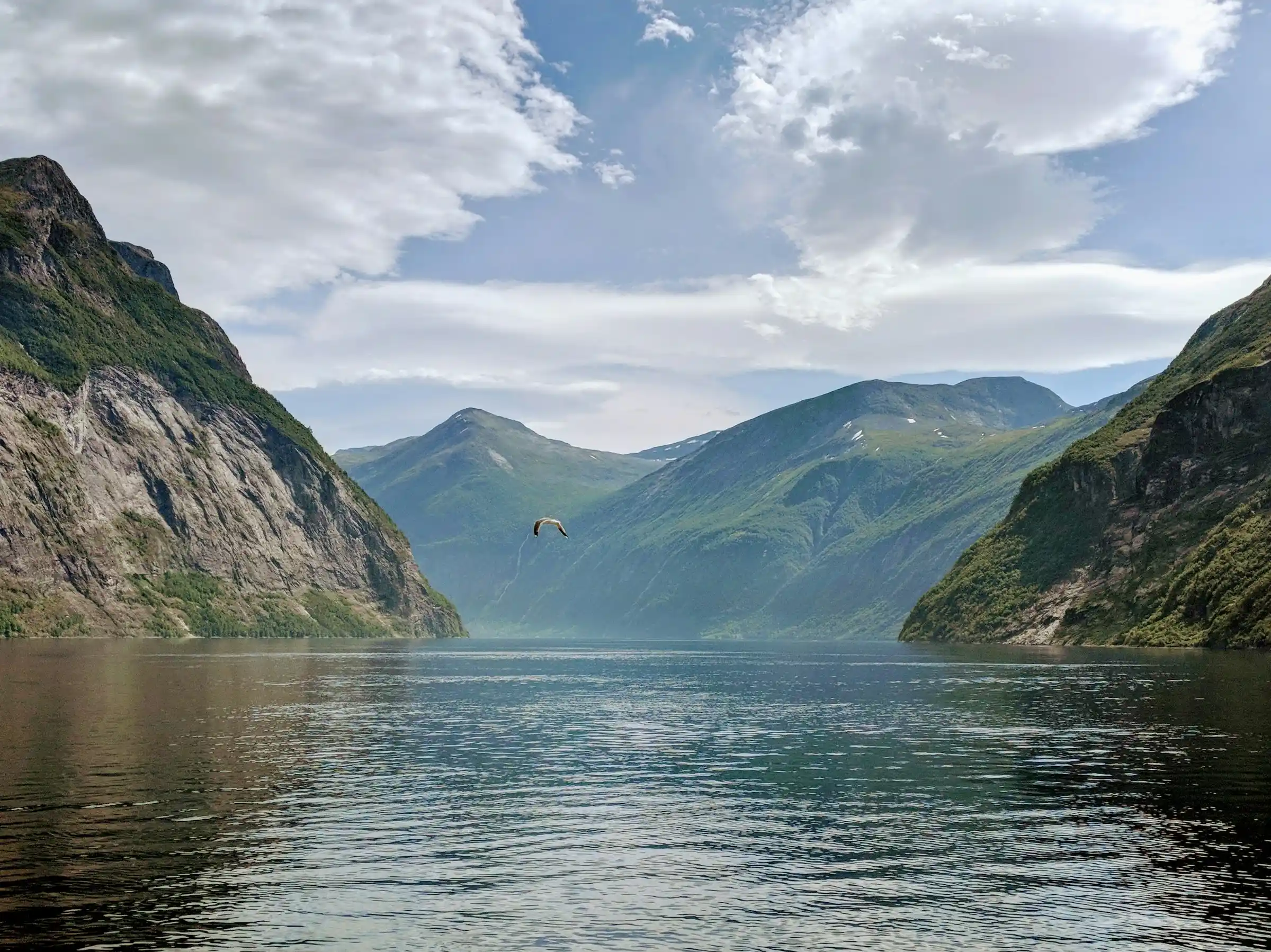
A fjord is a long, narrow arm of the sea that reaches inland between steep mountains, formed where ancient glaciers gouged deep valleys that later filled with seawater. Norway’s western coast is lined with hundreds of them, from short side-arms to vast systems stretching more than 200 kilometres inland. The combination of mountain, water, and waterfall at close quarters is what makes them so striking, and so popular with cruises and road trips alike.
The best fjords to visit
- Geirangerfjord, the most famous, with the Seven Sisters waterfall and clifftop viewpoints. A UNESCO site.
- Naeroyfjord, one of the narrowest and wildest, also UNESCO listed, reached from Flam.
- Sognefjord, the longest and deepest in Norway, known as the King of the Fjords.
- Hardangerfjord, famous for spring blossom and the Trolltunga hike.
- Lysefjord, home to Preikestolen, the Pulpit Rock, and Kjeragbolten.
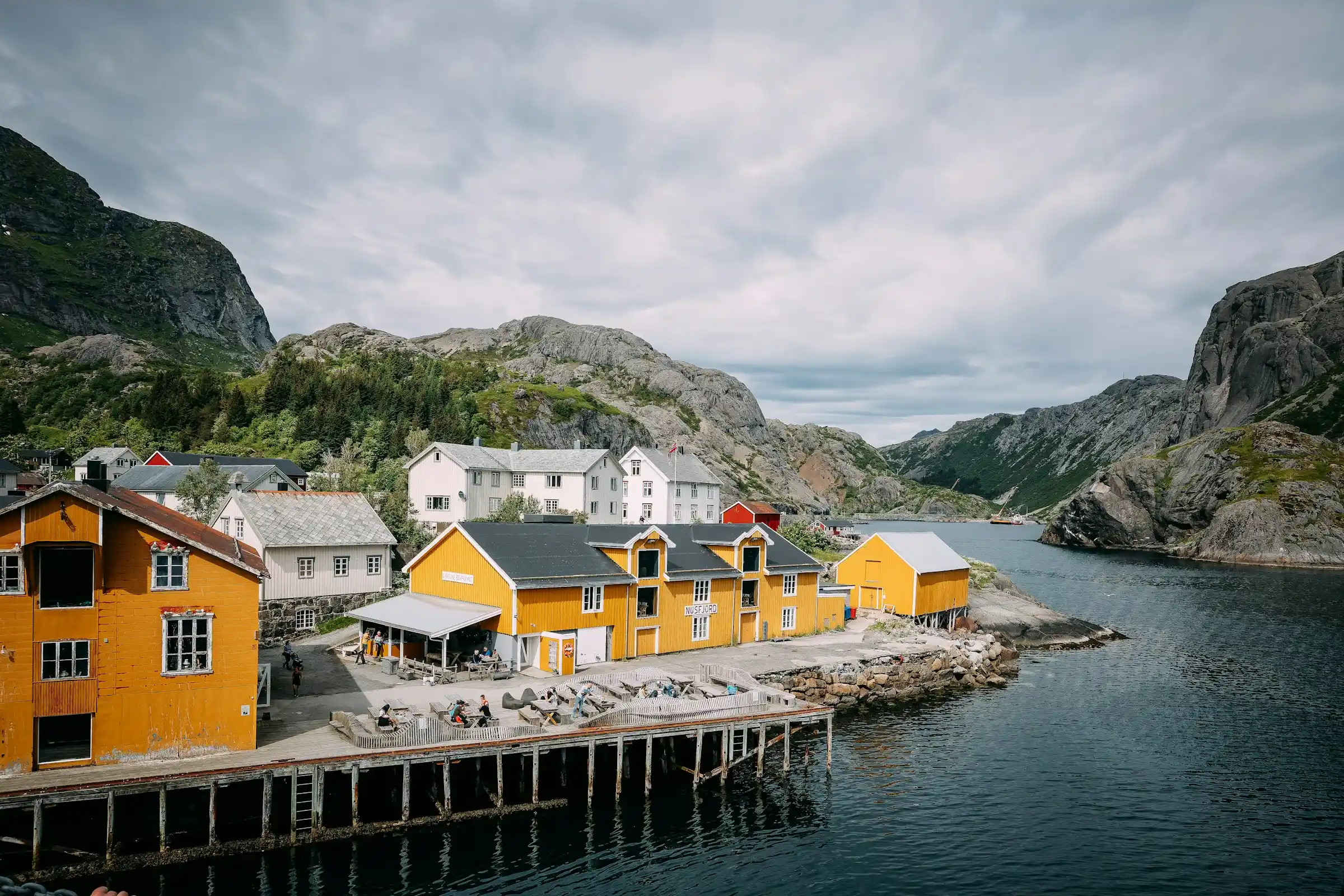
How to see the fjords
There are three classic ways to experience the fjords. A cruise, whether a large ship or a small local ferry, lets you sail right into the heart of the scenery. The Norway in a Nutshell route combines the scenic Bergen railway, the steep Flam Railway, and a fjord boat into one unforgettable day without a car. And a self-drive trip gives you the freedom to chase viewpoints, mountain passes, and quieter arms of water at your own pace.
Where to base yourself
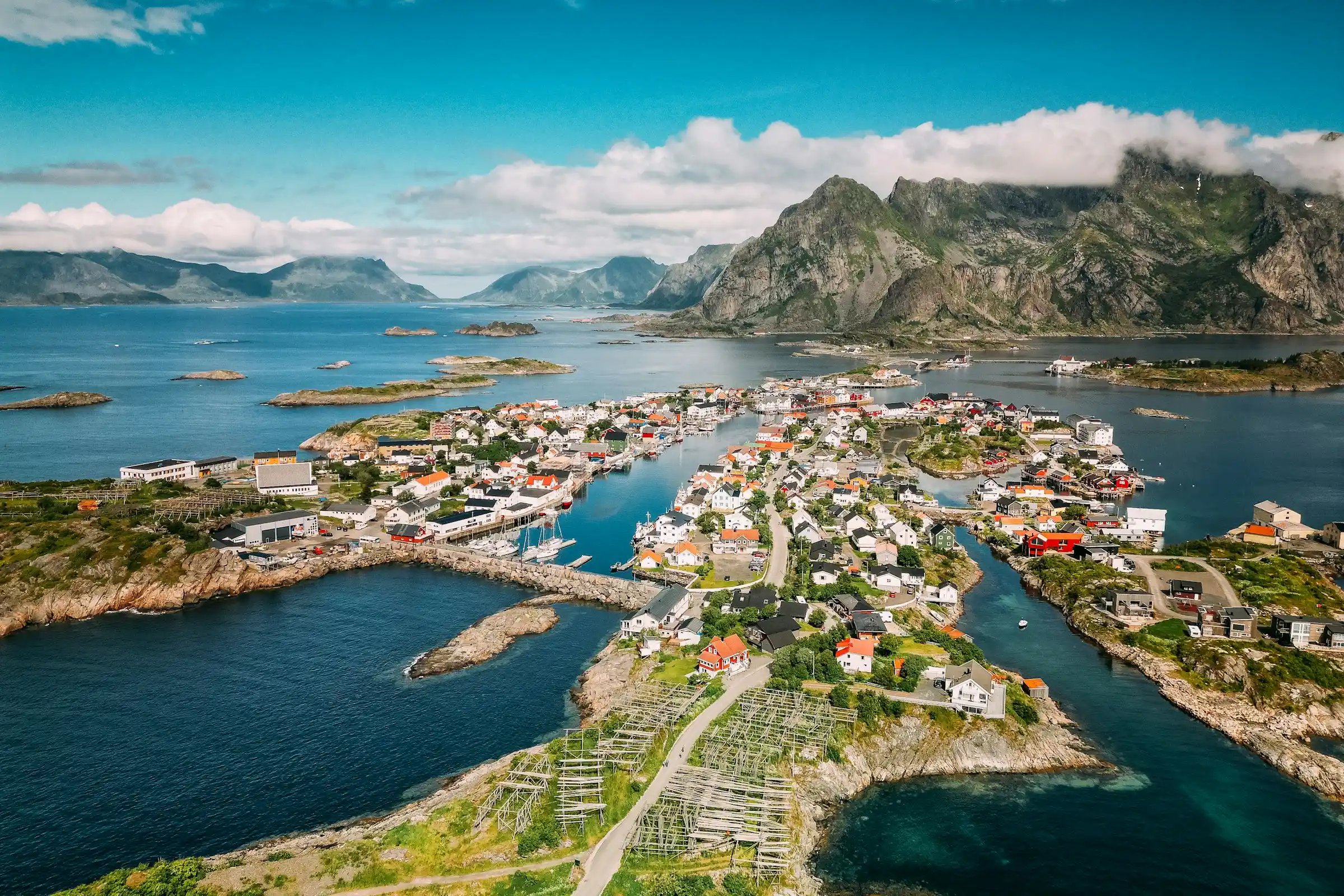
Bergen is the natural gateway to the fjords and a beautiful city in its own right, with the colourful Bryggen wharf and easy transport links. Flam sits at the end of the Aurlandsfjord and is the hub for Naeroyfjord trips and the Flam Railway. For Geirangerfjord, the villages of Geiranger and Alesund make good bases, while Stavanger is the launch point for the Lysefjord hikes.
When to visit
The main season is May to September, when the weather is mildest, the waterfalls run full from snowmelt, and the roads and high trails are open. Summer brings long daylight and the midnight sun in the far north. Spring adds blossom in Hardanger, and autumn brings golden colour and fewer crowds. Winter is quieter and colder, but it is the season for the northern lights further north, covered in our guide to the aurora borealis. If the Nordic landscape appeals, pair Norway with the volcanic drama of the Iceland Ring Road.
Frequently asked questions
Which is the most beautiful Norwegian fjord?
Geirangerfjord is the most famous and photographed, with its waterfalls and clifftop viewpoints, while Naeroyfjord is prized for being narrow and wild. Both are UNESCO World Heritage Sites and are often considered the most beautiful.
What is the best way to see the fjords?
A fjord cruise or local ferry takes you into the scenery, the Norway in a Nutshell rail and boat route is the classic car-free option, and a self-drive trip gives the most freedom. Many visitors combine a boat trip with the train.
How many days do you need for the fjords?
Two to three days lets you see one or two fjords well from Bergen or Flam. A week allows a fuller loop taking in Geiranger, Sognefjord, and a hike such as Pulpit Rock, at a comfortable pace.
When is the best time to visit the Norwegian fjords?
May to September is best, with mild weather, full waterfalls, and open roads and trails. Summer has the longest daylight, spring brings blossom, and autumn offers colour and fewer crowds.
What is the Norway in a Nutshell route?
It is a popular self-guided journey combining the Bergen Railway, the steep Flam Railway, and a cruise on the Naeroyfjord and Aurlandsfjord. It links Oslo or Bergen with the fjords in a single scenic day without needing a car.
Which city is the gateway to the fjords?
Bergen is the main gateway, with its airport, colourful Bryggen wharf, and transport links to the surrounding fjords. Stavanger serves the Lysefjord hikes, and Alesund is handy for Geirangerfjord.
Iconic viewpoints and scenic railways
Beyond the cruises, the fjords are home to some of Europe’s most famous viewpoints and train journeys. Pulpit Rock (Preikestelen) and Trolltunga are two celebrated hikes that end at dramatic ledges high above the water, both demanding a full day and a good level of fitness. For an easier thrill, the FlÃ¥m Railway descends a steep mountain valley past waterfalls to the Aurlandsfjord, and is often combined with a boat leg on the popular self-guided journeys that link Bergen and Oslo.
If hiking is not your aim, the viewpoints reachable by road deliver the scenery with less effort. Mountain lookouts such as Dalsnibba above Geiranger put the fjord and its switchback road far below you, and many of the scenic routes are designed around laybys and platforms built for exactly this. Pair one big viewpoint with a fjord cruise and a scenic train, and you will have seen the fjords from the water, the rails and the heights in a single trip.