Uluru, the vast red monolith at the heart of Australia, is one of the most moving sights in the country, and the time of year you visit shapes everything about the trip. Get it right and you have warm days, cool nights, and glowing sunrises; get it wrong and you face fierce heat and clouds of flies. This guide explains the best time to visit Uluru, season by season, and how to plan around the weather, the light, and the crowds.
The short answer
The best time to visit Uluru is the cooler half of the year, from May to September. Days are warm and clear rather than searing, nights are crisp, and walking the base of the rock or the Valley of the Winds is comfortable. This is the Australian winter and the peak tourist season, so it is busier, but the gentler weather is well worth it.
Uluru season by season
Winter, June to August, is the most comfortable for walking, with daytime temperatures around 20 degrees Celsius, though nights can drop near freezing, so pack warm layers. Autumn and spring, April to May and September to October, are the sweet spots, with warm days, fewer crowds than mid-winter, and mild conditions. Summer, November to March, is extremely hot, often above 40 degrees Celsius, when walks close early in the day and flies are at their worst.
Sunrise, sunset, and the light
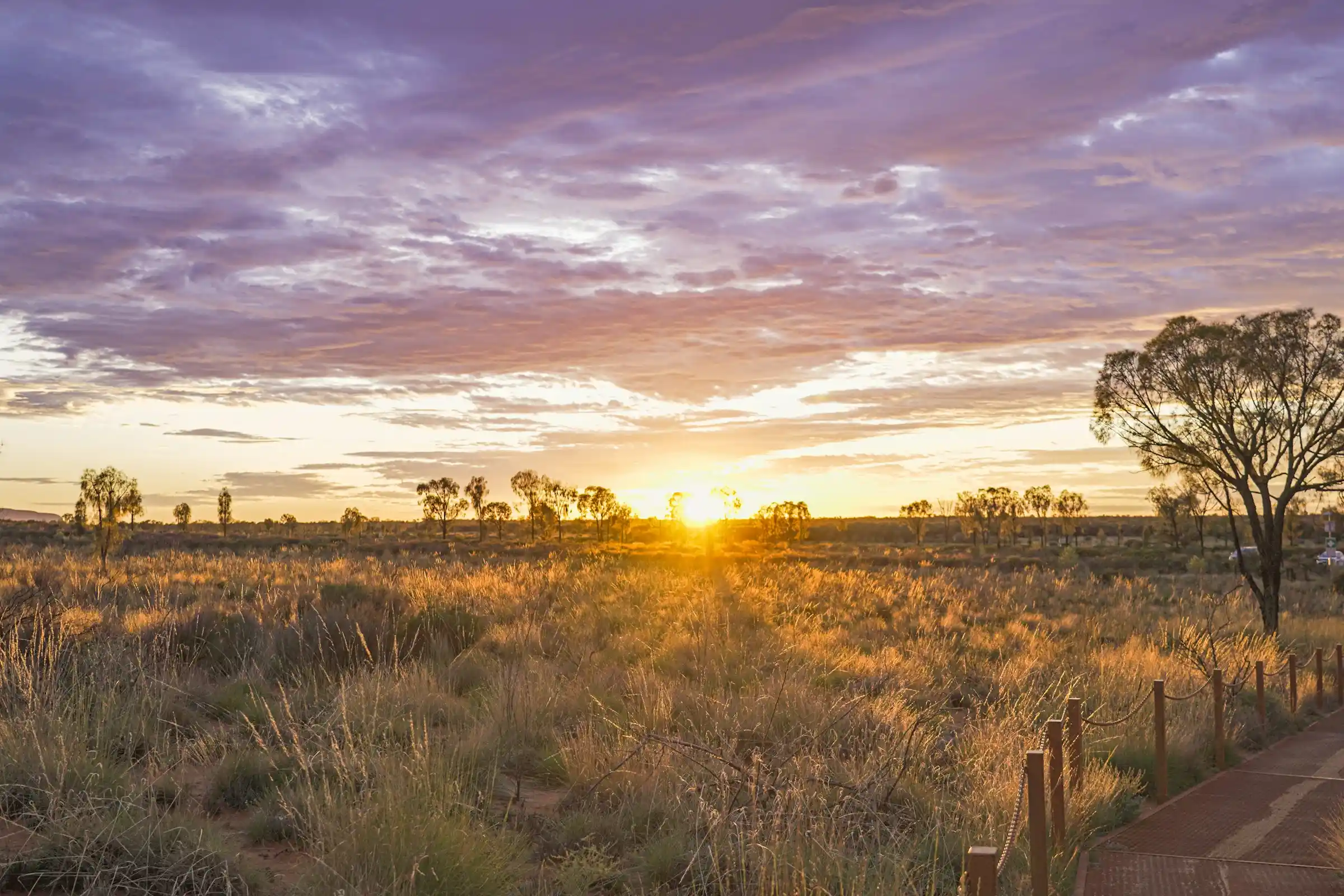
Uluru is famous for the way it changes colour, blazing orange and red as the sun rises and sets. Dedicated viewing areas are set up for both, and the show is best when there is a little cloud to catch the light. The Field of Light art installation glows across the desert after dark, and the clear outback skies make for superb stargazing. Whatever the season, dawn and dusk are the hours to be out at the rock.
Getting there and staying
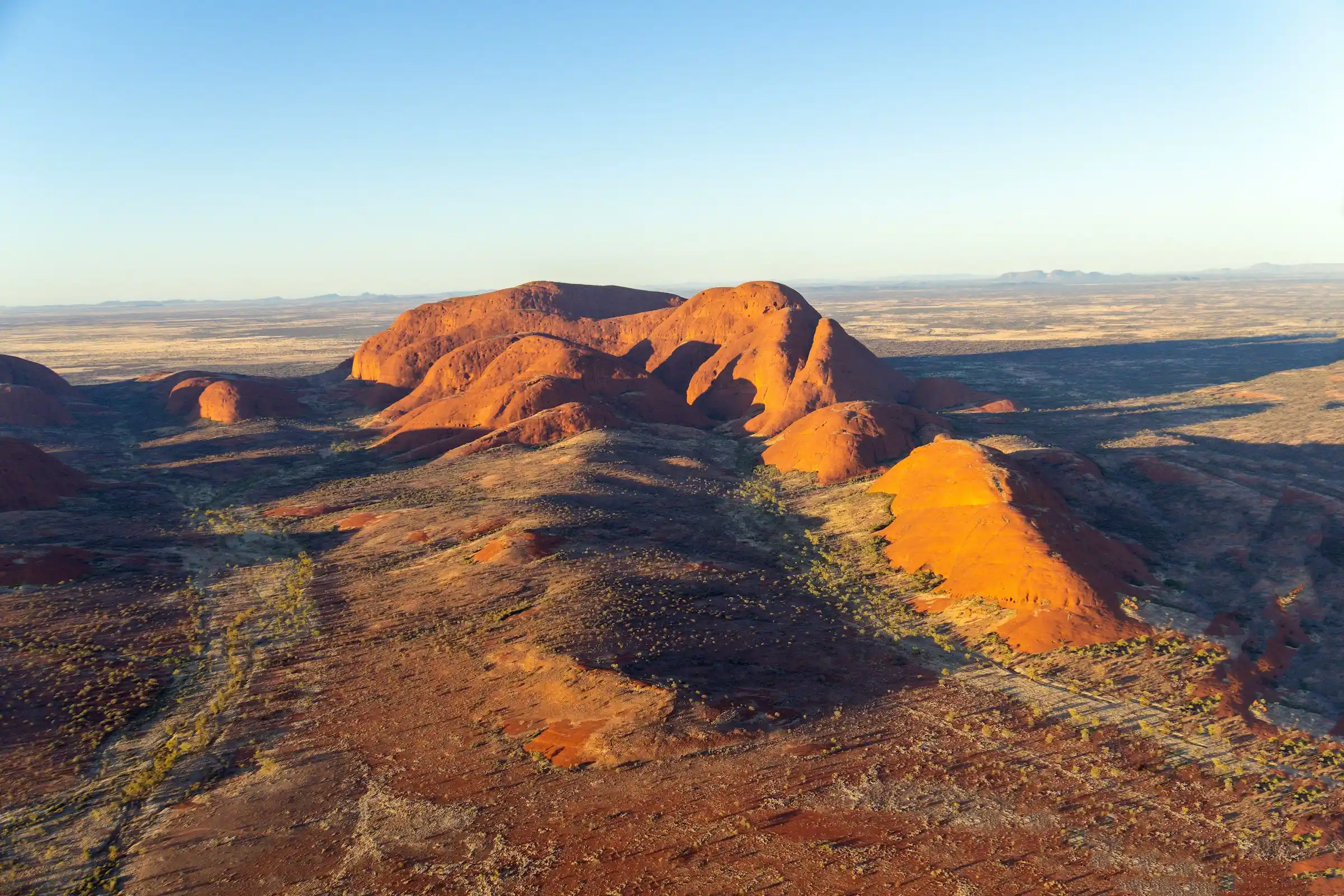
Uluru sits in the Uluru-Kata Tjuta National Park in the Northern Territory. Most visitors fly into Ayers Rock Airport at the resort town of Yulara, which is the only place to stay and has hotels and campsites for every budget. Others drive the long desert road from Alice Springs, about five hours away. A park pass is required, valid for several days, and should be bought before or on arrival.
Tips for your visit
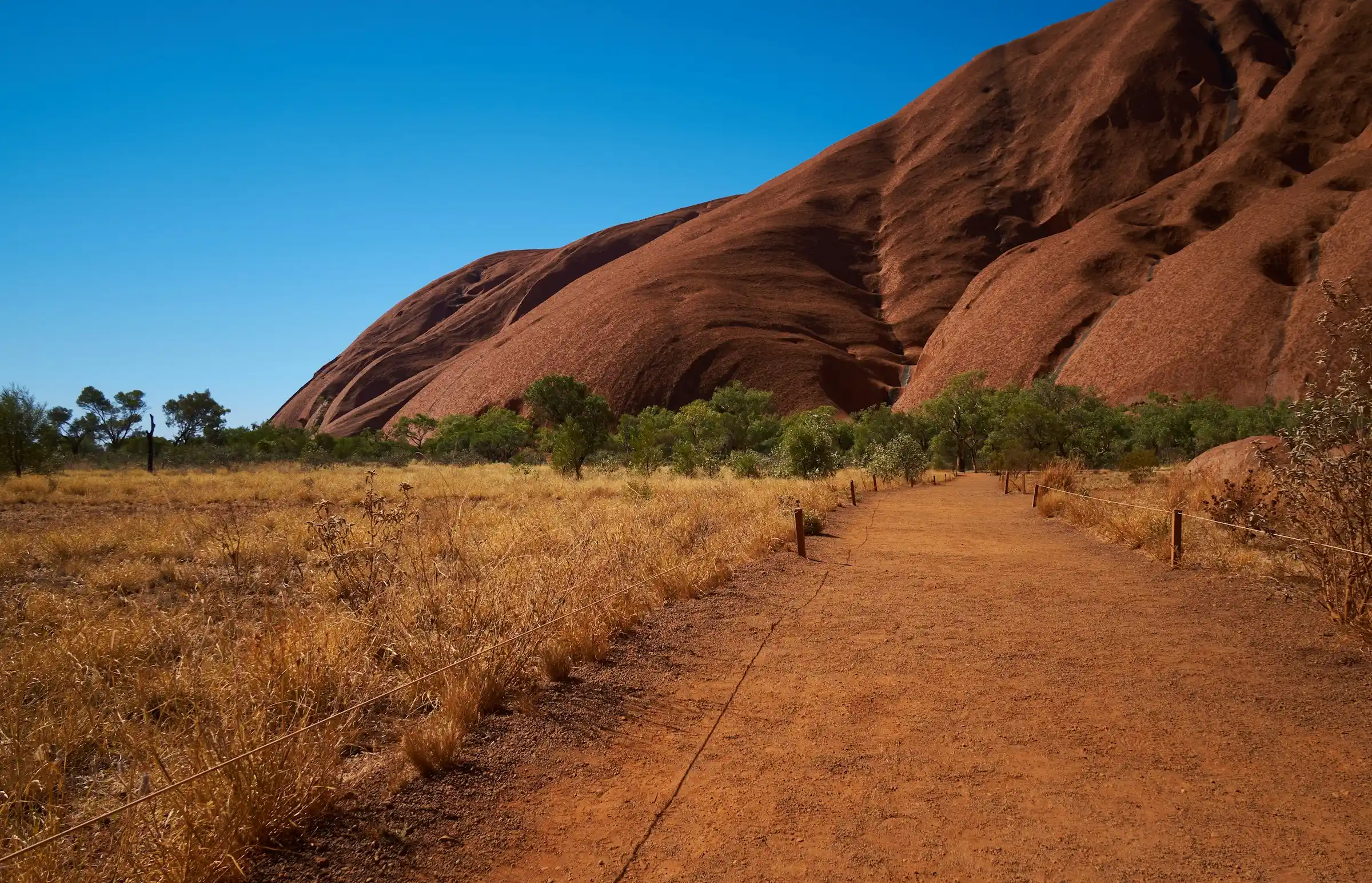
Carry plenty of water and start walks early, even in winter, as there is no shade on the base trail. A fly net is a cheap lifesaver in the warmer months. Uluru is a sacred site to the Anangu traditional owners, so follow the signs, do not climb the rock, which is now banned, and avoid photographing the areas marked as culturally sensitive. The packing list generator can prepare you for the desert’s big temperature swings, much like the drop described in our guide to the Sahara desert at night.
Frequently asked questions
What is the best month to visit Uluru?
May and September are ideal, with warm, clear days and fewer crowds than the mid-winter peak. The wider window of May to September all offers comfortable weather for walking and sightseeing.
What is the weather like at Uluru in winter?
Winter days, June to August, are mild at around 20 degrees Celsius and clear, perfect for walking. Nights are cold and can fall near freezing, so bring warm layers for early mornings and evenings.
Should I avoid Uluru in summer?
Summer, November to March, is extremely hot, often above 40 degrees Celsius, and walks close early for safety. Flies are also at their worst. It is doable with care, but the cooler months are far more comfortable.
How many days do you need at Uluru?
Two to three days is ideal. That gives you time for a sunrise and sunset, the base walk, the nearby Kata Tjuta domes, and an evening experience such as the Field of Light, without rushing.
Can you still climb Uluru?
No. Climbing Uluru was permanently banned in 2019 out of respect for its traditional owners, the Anangu people. Instead, visitors walk around the base and view the rock from the designated areas.
How do you get to Uluru?
Most people fly into Ayers Rock Airport at Yulara, the resort town beside the park. You can also drive from Alice Springs, about five hours away. A park pass is needed to enter Uluru-Kata Tjuta National Park.
Respecting Uluru and Anangu culture
Uluru is a sacred site for the Anangu, its traditional owners, and visiting respectfully is part of a good trip. Climbing the rock was permanently closed in 2019 at the request of the Anangu, and today the experience is about walking around the base rather than up it. The full base walk circles the monolith past waterholes, caves and rock art, and is the best way to grasp its scale and detail; shorter marked sections work if you are short on time or travelling in the heat.
A few courtesies matter. Certain stretches of the rock are culturally sensitive and signposted as no-photography areas, so watch for the signs and put the camera away where asked. The cultural centre near the base explains Anangu law, art and history and is worth visiting first, and a guided walk with an Indigenous guide adds a layer of meaning you cannot get on your own. Carry plenty of water and avoid the hottest part of the day.