France Travel Guide
Paris, châteaux, lavender fields and the Riviera. Entry rules, trains, money and the practical basics for planning a trip to France.
Last updated: 8 November 2026. Entry rules (EES and ETIAS), transport fares and museum pricing checked against official sources.
France is the world’s most visited country, and it rewards repeat trips. Paris alone could fill a week, but within a few hours by train you can be in the vineyards of Champagne, the castles of the Loire Valley, the D-Day beaches of Normandy or the lavender fields of Provence. This France travel guide covers what you need for any French trip: where each region is and what it is known for, entry rules for 2026, getting around, money, tipping and plugs. Each region and city has its own detailed guide, linked below.
Table of Contents
- France at a Glance
- Where to Go: France’s Main Regions
- France Entry Rules for 2026
- Getting Around France
- Money, Tipping and Tourist Tax
- Plugs, Water and Practical Tips
- Detailed France Guides
- Frequently Asked Questions
France at a Glance
| Trip detail | Answer |
|---|---|
| Capital | Paris |
| Regions | 13 regions in mainland France (since 2016), plus overseas regions |
| Main airports | Paris Charles de Gaulle (CDG), Paris Orly (ORY), Nice (NCE), Lyon (LYS) |
| Entry | Schengen area: 90 days in any 180 for visa-exempt visitors |
| Currency | Euro (EUR) |
| Plug type | Type E, 230 V |
| Language | French; English is common in Paris and tourist areas |
| Best months | April to June and September to October |
Where to Go: France’s Main Regions

Paris and Île-de-France. The capital has the Eiffel Tower, the Louvre and Montmartre, and the surrounding region holds the Palace of Versailles, Fontainebleau and Giverny. Start with things to do in Paris and our Paris itinerary, then plan a visit to the Palace of Versailles or other day trips from Paris.
The French Riviera (Côte d’Azur). The Mediterranean coast from Menton to Saint-Tropez, with Nice, Cannes, Antibes, Èze and Monaco next door. See the French Riviera guide.
Provence. Hilltop villages such as Gordes and Roussillon, Avignon’s papal palace, Roman Arles and Nîmes, Marseille, and lavender in early summer. Read our Provence guide.
Normandy and Brittany. Mont-Saint-Michel, the D-Day landing beaches, Honfleur, Étretat’s cliffs and Bayeux. Our Normandy and Mont-Saint-Michel guide covers the region.
The Loire Valley. Hundreds of châteaux, including Chambord, Chenonceau and Amboise, within easy reach of Paris by train. See Loire Valley castles.
Alsace and Champagne. Half-timbered Colmar and Strasbourg’s famous Christmas market in the east, and champagne houses around Reims and Épernay. Read our Alsace guide.
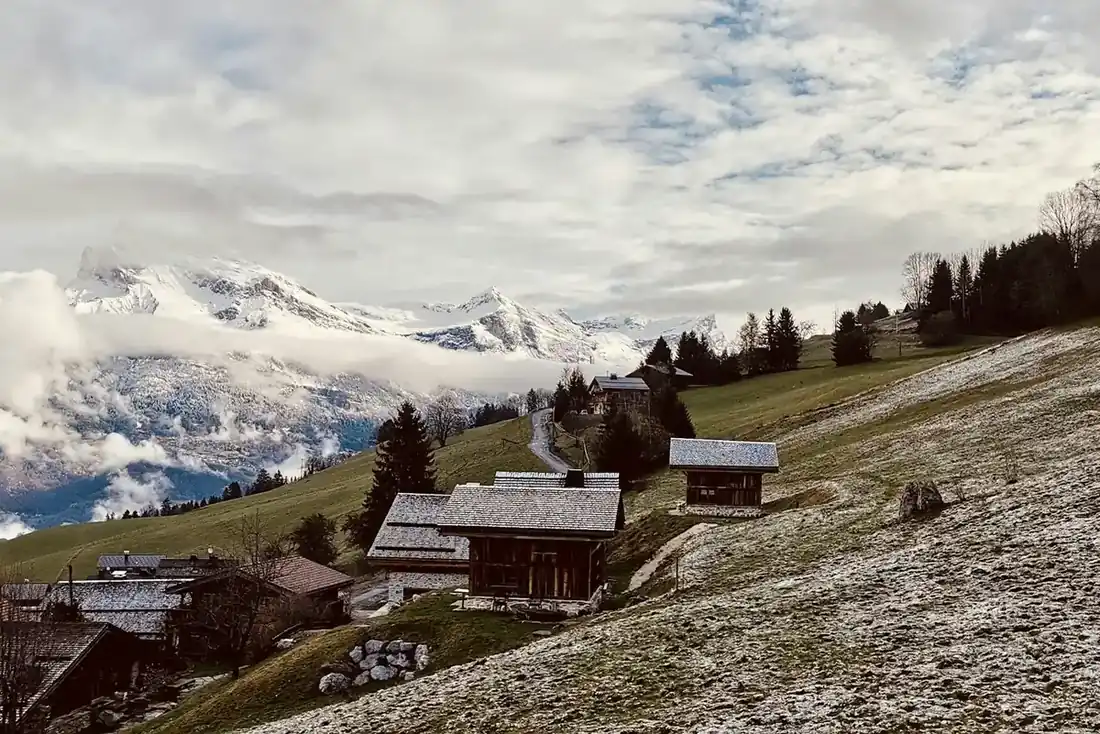
Further afield, the French Alps (Chamonix and Annecy), Bordeaux’s wine country, Lyon’s food scene and the island of Corsica all reward a second trip.
France Entry Rules for 2026
France is part of the Schengen area. Visitors from visa-exempt countries, including the US, UK, Canada and Australia, can stay up to 90 days in any 180-day period across all Schengen countries combined. Other nationalities need a Schengen visa from a French consulate or visa centre. Check your passport with our visa checker, and make sure it meets the validity rules with the passport validity checker.
Two EU systems affect non-EU visitors:
- Entry/Exit System (EES): fingerprints and a facial image are recorded at your first Schengen border instead of passport stamps. It has been fully operational at all Schengen borders since 10 April 2026. Expect longer queues on your first entry.
- ETIAS: an online travel authorisation for visa-exempt visitors. As of November 2026 it had not launched; the EU’s official Travel to Europe site said operations would start in the last quarter of 2026, with the date to be announced. Do not pay websites offering ETIAS before the official launch.
Getting Around France
France has one of Europe’s best rail networks. High-speed TGV trains link Paris with Lyon in about two hours and Marseille in a little over three, and the low-cost Ouigo service runs on many of the same routes. Book on the national operator SNCF Connect; fares rise close to departure. If you plan several long journeys, compare tickets with a rail pass using our Eurail pass calculator.
A car is the easiest way to explore rural Provence, the Loire, Normandy’s beaches and the Dordogne. Most motorways (autoroutes) charge tolls; estimate them with our road trip toll calculator, and check if you need an International Driving Permit. In Paris, use the Métro and RER rather than a car.
Money, Tipping and Tourist Tax
Money. France uses the euro. Cards are accepted almost everywhere, including small cafés and markets, and contactless payment is standard. Keep a little cash for rural markets and tips. Check card fees with our currency exchange fee calculator.
Tipping. A 15% service charge is built into restaurant and café prices by law, shown as service compris. Leaving small change or a euro or two for good service is a nice gesture, not an obligation.
Tourist tax. Hotels, guesthouses and holiday rentals add a taxe de séjour per person per night, which varies by town and accommodation class and is higher in Paris. Estimate it with our tourist tax calculator.
Museum prices. Since January 2026, major sites including the Louvre and Versailles charge higher prices to visitors from outside the European Economic Area. Our Paris and Versailles guides list current prices.
Plugs, Water and Practical Tips
- Plugs: Type E sockets, 230 V. Check your devices with the plug and voltage checker.
- Tap water is safe to drink, and restaurants serve a free carafe of water on request.
- Opening hours: many shops in smaller towns close for lunch and on Sunday; many museums close one day a week, usually Monday or Tuesday.
- Public holidays can close museums and change train timetables; check yours with the public holiday checker.
- Pickpockets target busy Paris Métro lines and tourist sites. Our guide to train station scams in Europe covers common tricks.
Detailed France Guides
- Paris: Things to do in Paris, a Paris itinerary with where to stay, and day trips from Paris.
- Versailles: Palace of Versailles guide, with tickets and getting there.
- The south: the French Riviera and Provence.
- The north and west: Normandy and Mont-Saint-Michel and Loire Valley castles.
- The east: Alsace, Strasbourg and Colmar.
- When to go: Best time to visit France.
For official tourism information, see France.fr, the national tourism site.
Frequently Asked Questions
Do I need a visa to visit France?
France is in the Schengen area. Visitors from visa-exempt countries such as the US, UK, Canada and Australia can stay up to 90 days in any 180-day period across all Schengen countries without a visa. Others need a Schengen visa. Check your passport with a visa checker before booking.
What is the EES and does it affect my trip to France?
The EU Entry/Exit System registers non-EU travellers’ fingerprints and a photo at the first Schengen border instead of stamping passports. It has been fully operational since 10 April 2026, so allow extra time at the border on your first entry.
Do I need ETIAS to visit France?
Not yet. ETIAS, the online travel authorisation for visa-exempt visitors, had not launched as of November 2026; the EU said it would start in the last quarter of 2026 but had not set a date. Avoid websites that charge for an ETIAS today.
What is the best time to visit France?
April to June and September to October bring mild weather and fewer crowds than July and August. Summer suits beaches and lavender; December is for Christmas markets in Alsace and Paris.
Is tipping expected in France?
No. French law requires a service charge in restaurant prices (service compris). Locals may round up or leave a euro or two for good service, but a large tip is not expected.
What plug is used in France?
France uses Type E sockets (two round pins with an earth pin), which also accept Type C and most Type F plugs. The voltage is 230 V.
How many days do you need in France?
Plan at least four days for Paris alone. Seven to ten days lets you add one region, such as Normandy, the Loire Valley or Provence; two weeks covers Paris plus the south.
Plan Your France Trip
Use these free tools to prepare every detail before you go.