Train station scams in Europe follow a few patterns. A stranger “helps” you at the ticket machine and keeps your change or card. A fake card reader is stuck onto the machine. Someone sells you an invalid ticket, or distracts you on the platform while an accomplice takes your bag. None of these are new, and all of them are easy to avoid once you know what they look like.
This guide covers the main tourist scams at European railway stations, how each one works, and what to do instead, with the official warnings behind them.
Train station scams in Europe: quick rules
- Use the ticket machine yourself. Decline all help from anyone without a uniform and ID.
- Check the card reader before you tap. If it looks added on, use the chip-and-PIN slot.
- Buy tickets only from machines, ticket offices or the operator’s app.
- Keep your bag in front of you and your phone off the café table.
- Validate paper tickets where required, or buy a digital ticket.
Table of Contents
- The “helpful stranger” at the ticket machine
- Fake contactless readers and card skimmers
- Fake tickets, touts and unofficial sellers
- Distraction thefts on platforms and trains
- Validation fines that feel like a scam
- Taxi and transfer touts outside the station
- If you have been scammed
- Frequently asked questions
The “helpful stranger” at the ticket machine
This is the scam most often reported at big stations in Paris, Rome, Milan and Barcelona. Someone appears beside you at the machine, offers to help with the language or the fare, and taps through the screens for you. Then one of three things happens:
- They choose the wrong or most expensive ticket and ask for a “tip” for their help.
- They take the change or the ticket from the slot before you do.
- They watch you type your PIN, then a partner distracts you while they take your card.
How to avoid it: say no firmly and keep using the machine. Every major machine has an English option, usually a flag icon on the first screen. Real station staff wear uniforms and ID and do not ask for tips. If someone will not leave, walk to the ticket office instead.
Fake contactless readers and card skimmers
Fraudsters fit skimmers and fake contactless boxes to ticket machines. Shield the keypad, and if in doubt insert your card into the chip-and-PIN reader, as French police advised.
Card fraud at ticket machines is a long-standing problem. In 2011, London police warned of a rise in skimmers attached to the payment keypads of unmanned ticket machines at Tube and train stations, and urged passengers to shield the keypad, as the BBC reported. The same idea has moved on to contactless.
In 2022, France’s Police nationale warned that fake contactless boxes had been fitted to SNCF ticket machines in the Île-de-France region. According to The Connexion, the real contactless readers are yellow with a blue light, the fake ones were black and white, and the police advised inserting your card into the chip-and-PIN reader if in doubt.
- Look at the reader before you pay. Anything loose, taped or a different colour from the rest of the machine is a warning sign.
- Cover the keypad with your other hand when you type your PIN.
- Use a card with fraud protection, not a debit card linked to your main account.
- Or skip the machine and buy in the operator’s official app.
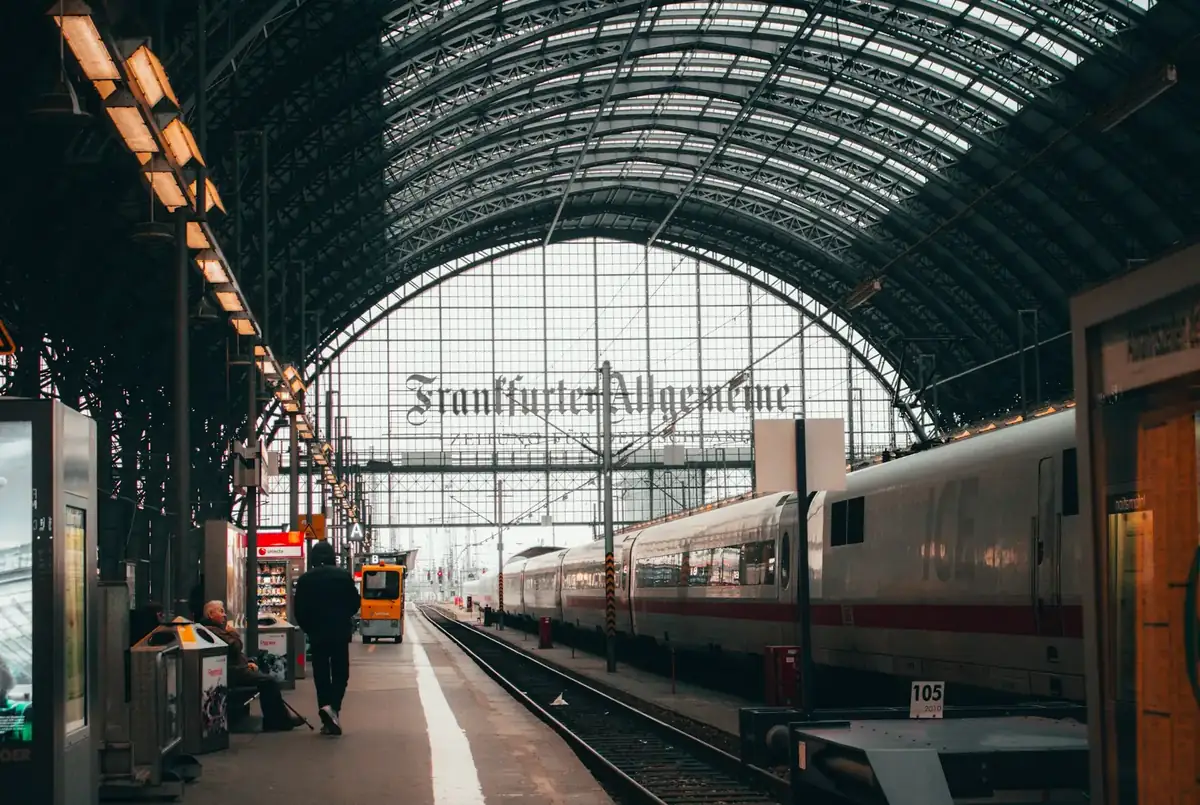
Fake tickets, touts and unofficial sellers
People offering “cheap tickets” outside the station or on the concourse are selling used, expired or wrong-route tickets, or tickets meant for a concession group you do not belong to. You pay cash, and the ticket inspector fines you later. The same goes for strangers offering to sell you their day pass or travel card.
Buy only from the operator’s machines, staffed ticket offices or the official app and website. For city transport, local guides help. Our Rome public transport guide explains which tickets to buy and where.
Distraction thefts on platforms and trains
Pickpockets work where people are busy and distracted: ticket halls, escalators, crowded platforms and the moment the train doors open. The UK Foreign Office’s travel advice for Italy tells visitors to take care on public transport, including main train and metro stations, and to beware of thieves using distraction techniques. The common set-ups:
- The spill. Someone “accidentally” spills a drink or points out a mark on your coat, and a partner lifts your wallet while you clean up.
- The petition. A clipboard is pushed under your chin while hands go into your bag beneath it.
- The luggage helper. Someone offers to lift your case onto the train and walks off with a smaller bag.
- The door grab. A phone or bag is snatched just as the train doors close, so you cannot follow.
Wear your day bag in front of you in crowds, keep phones off tables and out of back pockets, and lock larger bags to the rack on long journeys. Our solo travel tips cover more ways to keep valuables safe on the move.
Validation fines that feel like a scam
In Italy, a paper regional ticket must be validated before you board, or you pay the full fare plus a fine. Trenitalia’s Digital Regional Ticket validates automatically at departure.
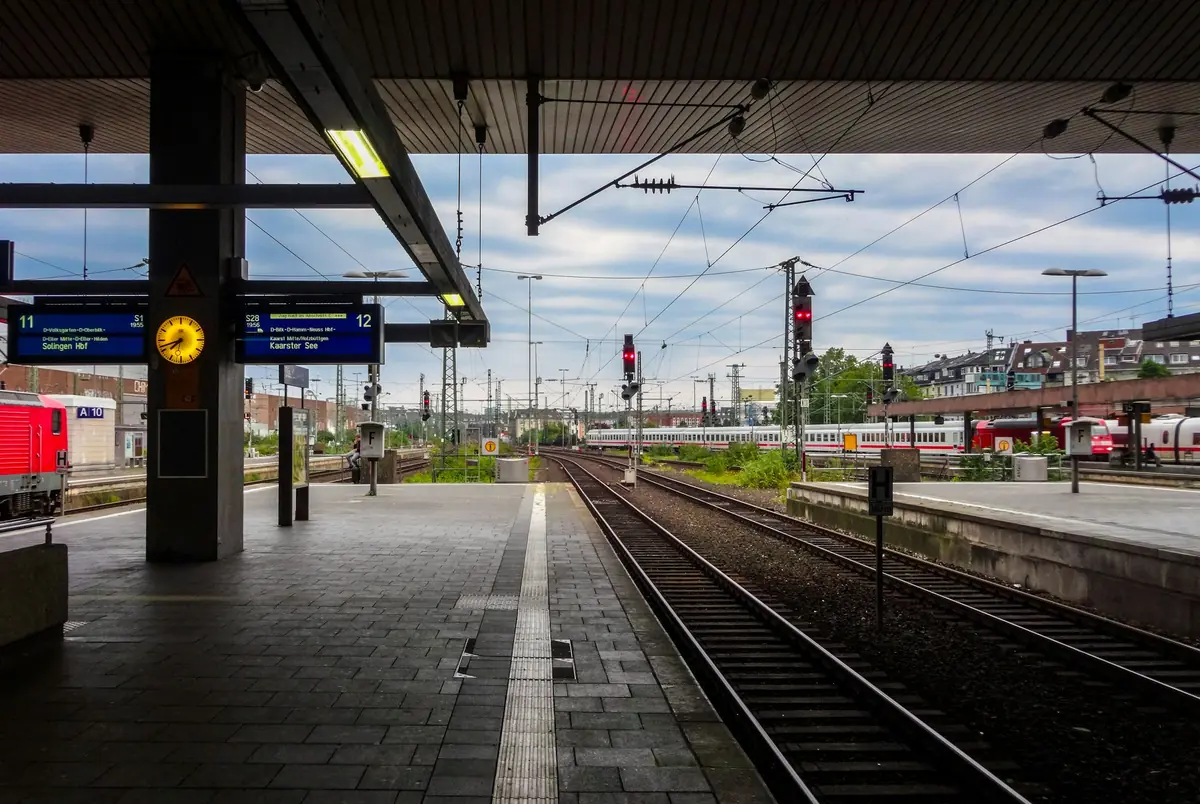
Some fines are not scams but feel like one. In Italy, paper regional train tickets must be validated before you board. If you travel with an invalid ticket, Trenitalia says you pay the full fare plus a fine. Staff on board can validate a paper ticket without a surcharge only in set cases, such as when there is no validating machine or it is out of order.
Trenitalia’s Digital Regional Ticket is validated automatically at the scheduled departure of your chosen train, which removes the problem. Similar validation rules apply on buses, trams and some regional trains elsewhere in Europe. If a ticket looks like it needs stamping, find the small validating machine on the platform before you get on.
Taxi and transfer touts outside the station
Unlicensed drivers wait at station exits and offer rides before you reach the official taxi rank. They quote a vague price, then charge far more on arrival. Use the marked taxi rank, a licensed ride-hailing app, or public transport. If you need cash for a taxi, use a bank ATM inside the station, not a stand-alone currency kiosk. Our airport ATM and currency exchange finder shows fair options at major hubs.
If you have been scammed
Call your bank to block the card, report the fraud to the police and tell station staff. Contact your embassy if your passport was taken, and claim on your travel insurance.
- Call your bank and block the card straight away if a card or PIN may have been compromised.
- Report the theft or fraud to the police. Insurers and banks will ask for the report.
- Tell station staff or the rail operator’s customer service, especially about a fake reader on a machine.
- If your passport was taken, contact your embassy. In Italy, the FCDO notes you cannot use a police report alone to leave the country.
- Claim on your travel insurance if you have cover for theft. Our travel insurance checklist shows what to check in a policy.
Frequently asked questions
What is the ticket machine scam in Europe?
A stranger offers to help you buy a ticket at a station machine, then overcharges you, takes your change or ticket, or watches your PIN while a partner steals your card. Decline all help from anyone without a uniform and staff ID.
Are station staff allowed to help at ticket machines?
Yes, but genuine staff wear uniforms and ID and never ask for a tip. If you are unsure, go to the staffed ticket office instead.
How can I spot a fake card reader on a ticket machine?
Look for a reader that is loose, taped on or a different colour from the machine. In France, police said genuine SNCF contactless readers are yellow with a blue light. If in doubt, insert your card into the chip-and-PIN slot.
Do I need to validate my train ticket in Italy?
Paper regional tickets must be validated before boarding, or you pay the fare plus a fine. Trenitalia’s Digital Regional Ticket is validated automatically at the scheduled departure time.
Which European train stations have the most scams?
Scam and pickpocket reports cluster at the busiest tourist hubs, such as the main stations in Paris, Rome, Milan and Barcelona. The same precautions work everywhere.
What should I do if my card is stolen at a train station?
Block the card with your bank immediately, report the theft to the police, and keep the report for your bank and travel insurer.