Elevation sickness, also called altitude sickness or acute mountain sickness (AMS), is what happens when your body hasn’t had time to adjust to the lower oxygen levels high above sea level. It can hit skiers on their first night in a Colorado resort, travellers who fly straight into Cusco or La Paz, and trekkers on the way to Everest Base Camp or the top of Kilimanjaro. Most cases are mild and settle in a day or two, but the rare severe forms can kill if they are ignored. This guide explains the symptoms, how high is high enough to cause problems, how to prevent it, which medicines work, how to treat it, and what to expect at popular high-altitude destinations.
This article is general travel health information based on guidance from the US Centers for Disease Control and Prevention (CDC) and the Wilderness Medical Society. It isn’t a substitute for advice from your own doctor, especially about prescription medicines or existing health conditions.
Elevation sickness at a glance
- When it starts: usually 2 to 12 hours after arriving above about 2,450 m (8,000 ft), often during the first night.
- Main symptom: a headache, plus nausea, tiredness, dizziness or poor appetite, like a hangover.
- How long it lasts: usually 1 to 2 days if you don’t go higher.
- Best prevention: go up slowly, sleep lower where you can, avoid alcohol for 48 hours and ask a doctor about acetazolamide (Diamox).
- Red flags: confusion, loss of coordination or breathlessness at rest mean descend immediately and get medical help.
Affiliate disclosure: this page contains Amazon affiliate links. As an Amazon Associate, Boarding Gate earns from qualifying purchases, at no extra cost to you. How this works.
Table of Contents
- What is elevation sickness?
- At what altitude does elevation sickness start?
- Symptoms of elevation sickness
- The dangerous forms: HAPE and HACE
- Who gets elevation sickness?
- How to prevent elevation sickness
- Elevation sickness medication
- Elevation sickness treatment
- How long does elevation sickness last?
- Elevation sickness at popular destinations
- Oxygen, coca tea and other remedies
- Travelling with a medical condition, children or pregnancy
- Packing and planning checklist for high altitude
- Frequently asked questions
What is elevation sickness?
As you climb, air pressure falls, so each breath carries fewer oxygen molecules even though the air is still about 21 per cent oxygen. At around 3,050 metres (10,000 ft), the oxygen pressure you breathe in is only about 69 per cent of the sea-level figure, and blood oxygen saturation can drop to around 88 to 91 per cent. Your body responds by breathing faster and deeper, raising your heart rate and, over the following days, adjusting your blood chemistry. This process is called acclimatisation.
Elevation sickness develops when you go up faster than your body can acclimatise. According to the CDC, the crucial first stage of acclimatisation happens over the first three to five days after arriving at a new altitude, and altitude illness can only develop before that process is complete. Doctors divide altitude illness into three conditions:
- Acute mountain sickness (AMS): the common, usually mild form.
- High-altitude cerebral oedema (HACE): a rare, life-threatening swelling of the brain, often described as end-stage AMS.
- High-altitude pulmonary oedema (HAPE): a rare, life-threatening build-up of fluid in the lungs, which can occur with or without AMS.
“Elevation sickness” and “altitude sickness” usually refer to AMS. Sleep problems and a “high-altitude headache” without other symptoms are also common and are sometimes treated as separate issues.
At what altitude does elevation sickness start?
Altitude illness can occur in anyone who sleeps above about 2,450 metres (8,000 ft) without acclimatising, and occasionally lower. Risk climbs with altitude and with the speed of the climb, and it is driven mainly by the height where you sleep rather than the highest point you reach during the day.
| Altitude band | Height | What to expect |
|---|---|---|
| Moderate | 1,500 to 2,450 m (4,900 to 8,000 ft) | Mild breathlessness on exertion; altitude sickness is uncommon |
| High | 2,450 to 3,500 m (8,000 to 11,500 ft) | AMS is common if you arrive quickly; about a quarter of visitors sleeping above 2,450 m in Colorado get it |
| Very high | 3,500 to 5,500 m (11,500 to 18,000 ft) | AMS is likely without gradual ascent; HAPE and HACE become more of a risk, especially above 4,300 m (14,000 ft) |
| Extreme | Above 5,500 m (18,000 ft) | People cannot live here permanently; only short stays with careful acclimatisation |
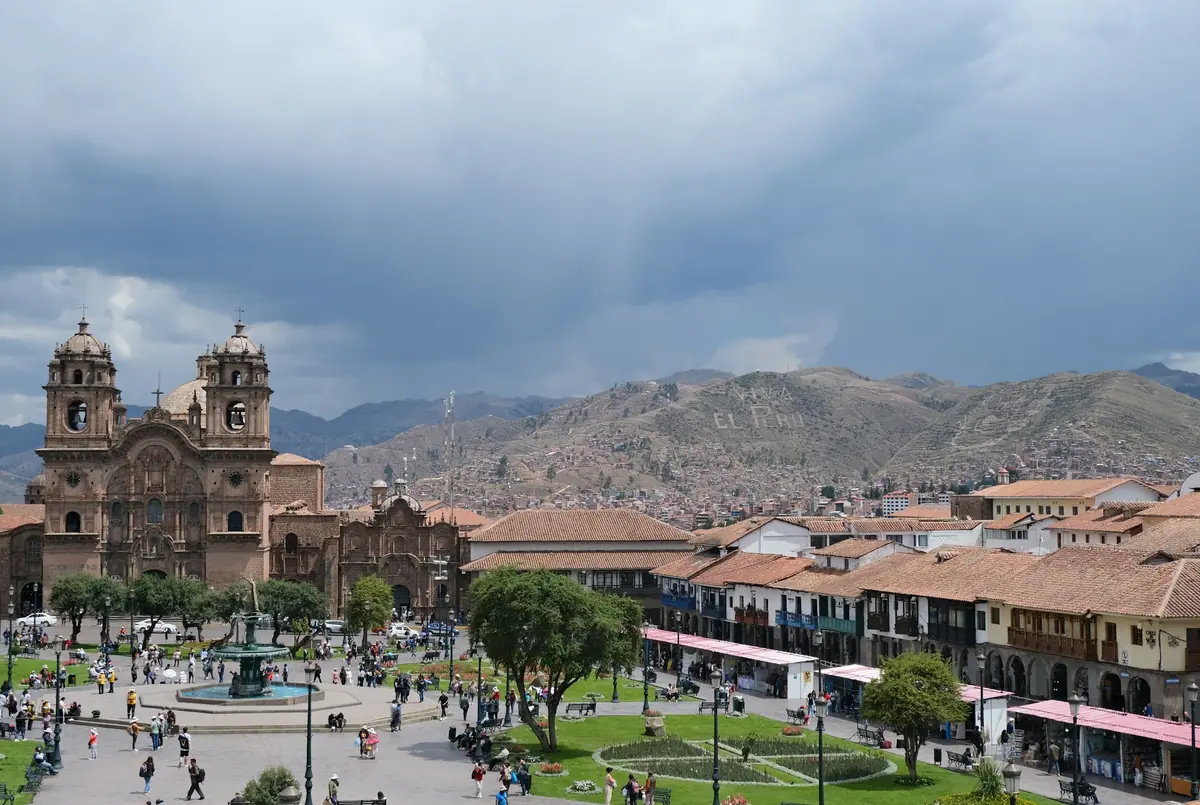
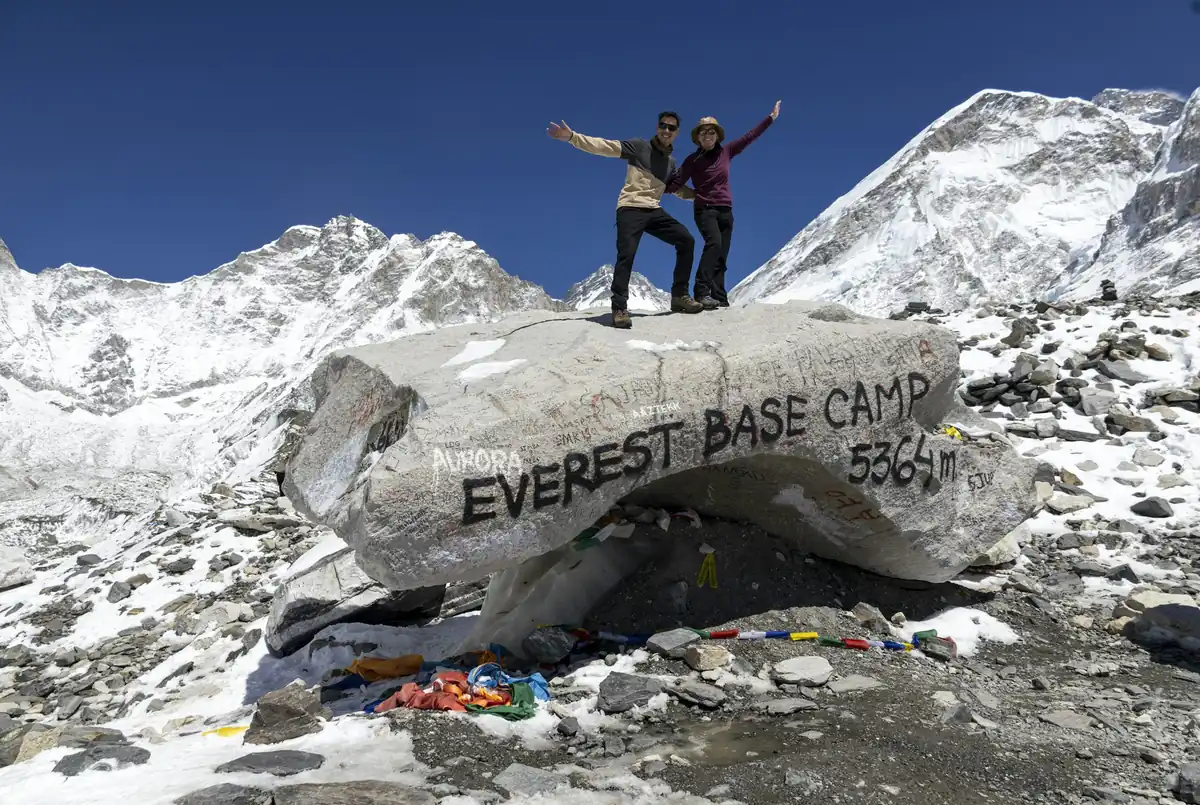
Some popular destinations put travellers straight into the high or very high band. Flying into Cusco (about 3,350 m) or La Paz (about 3,650 m) from sea level puts you in the CDC’s high-risk category, where rates of altitude illness can approach 50 per cent. Even well-paced treks to Everest Base Camp (about 5,400 m) see altitude illness in up to 30 per cent of trekkers at the higher stages.
Symptoms of elevation sickness
The CDC describes AMS as feeling like an alcohol hangover. The defining symptom is a headache, usually with at least one of the following:
- Loss of appetite, nausea or, sometimes, vomiting
- Tiredness and weakness
- Dizziness or light-headedness
- Difficulty sleeping (often with periodic, irregular breathing at night)
Symptoms usually start 2 to 12 hours after arriving at altitude or after climbing higher, often during or after the first night. In babies and toddlers who can’t describe how they feel, look for fussiness, loss of appetite and paleness. Elevation sickness doesn’t cause a fever, runny nose, chills or muscle aches; if you have those, you more likely have a virus. Symptoms that begin three or more days after arrival, without further ascent, are probably not AMS. A fingertip pulse oximeter lets you track your blood oxygen as you go higher, but how you feel matters more than the number.
Other problems that can look similar include dehydration, exhaustion, a hangover, migraine, low sodium from drinking too much water, and carbon monoxide poisoning from heaters in poorly ventilated rooms. A useful sign: AMS improves quickly if you go down by 300 metres (1,000 ft) or more.
Elevation sickness stages
| Stage | Signs | What to do |
|---|---|---|
| Mild AMS | Headache plus nausea, tiredness or poor sleep; you can still function | Rest, don’t go higher, take simple pain relief, avoid alcohol |
| Moderate to severe AMS | Severe headache, vomiting, marked weakness, symptoms worsening despite rest | Stop ascending; descend if not improving; seek medical advice about medication |
| HACE | Confusion, drowsiness, loss of balance or coordination (stumbling as if drunk) | Emergency: descend immediately, oxygen and medical help |
| HAPE | Breathlessness at rest, persistent cough, chest tightness, very low energy, sometimes pink frothy sputum | Emergency: descend immediately, oxygen and medical help |
The dangerous forms: HAPE and HACE
Both severe forms are rare, but you should know how to recognise them, because they can become fatal within hours to days.
High-altitude cerebral oedema (HACE)
HACE is rare below about 4,300 m (14,000 ft). Its key signs are neurological: confusion, unusual drowsiness or irritability, and ataxia, loss of coordination that makes someone walk like they are drunk. A simple field test is to ask the person to walk heel to toe in a straight line. Without treatment or descent, coma can follow within 12 to 24 hours of the first loss of coordination.
High-altitude pulmonary oedema (HAPE)
HAPE often starts with a dry cough, chest congestion, getting out of breath much more easily than companions and a drop in performance. Left untreated, it progresses to breathlessness at rest, a racing heart and, often, coughing up pink or bloody froth. It can develop without any headache. The CDC notes HAPE can be more rapidly fatal than HACE, and a pulse oximeter may show oxygen saturation far below that of healthy companions.
For both conditions, the treatment is the same in principle: descend as soon as possible, give oxygen if it is available and get medical care. Never leave a person with suspected HAPE or HACE to descend alone.
Who gets elevation sickness?
Anyone can. According to the CDC:
- Fitness doesn’t protect you: athletes are just as likely to be affected, and fit people may climb too fast.
- Age: children are as susceptible as adults; people over 50 have slightly lower risk.
- Sex: plays little or no role.
- Genetics: some people are naturally more susceptible, but there is no test to predict who.
- History: how you reacted on a previous trip is the best guide, but only if the altitude and speed of ascent were similar.
- Speed and sleeping height: flying or driving directly to a high sleeping altitude, and climbing more than about 500 m a night above 3,000 m, raise the risk most.
How to prevent elevation sickness
Ascending gradually is by far the most effective prevention. The Wilderness Medical Society guidelines, which the CDC summarises, recommend:
- Don’t go too high too fast: avoid going from low altitude (below 1,200 m / 4,000 ft) to a sleeping altitude above 2,750 m (9,000 ft) in a single day.
- Once above 3,000 m (9,800 ft): increase your sleeping altitude by no more than 500 m (about 1,600 ft) a night.
- Rest days: add an extra night for every 1,000 m (3,300 ft) of sleeping altitude you gain.
- Climb high, sleep low: day hikes to higher ground are fine if you return lower to sleep.
- Stage your arrival: spending two or three nights at around 2,450 to 2,750 m (8,000 to 9,000 ft) before going higher is strongly protective.
- Take it easy for 48 hours: only light exercise, and no alcohol for the first two days at altitude.
- Keep your caffeine habit: if you normally drink coffee, keep doing so, so that a withdrawal headache isn’t confused with altitude sickness.
- Pre-acclimatise: two or more nights above 2,750 m in the two weeks before your trip helps, especially if close to departure.
Staying hydrated is sensible, since dehydration causes similar symptoms, but drinking lots of extra water does not prevent altitude sickness on its own, and overdoing it can be harmful. Avoid sleeping pills that depress breathing, such as opioids, and don’t use alcohol to help you sleep.
When gradual ascent isn’t possible, such as flying into Cusco or La Paz, the CDC suggests a low threshold for preventive medication, or descending to sleep lower for a night or two first. For Cusco, many travellers head straight down to the Sacred Valley, at about 2,800 m, and return to Cusco later. Our guide to the best time to visit Machu Picchu covers routes that build in this kind of acclimatisation.
Elevation sickness medication
Medication can prevent or treat elevation sickness, but it is a supplement to sensible ascent, not a replacement. Several of these drugs need a prescription, so talk to a doctor or travel clinic a few weeks before your trip. The doses below are those listed in the CDC Yellow Book for healthy adults; only take them as prescribed.
| Medicine | Use | Typical adult dose (CDC) | Prescription? |
|---|---|---|---|
| Acetazolamide (Diamox) | Prevention and treatment of AMS | Prevention: 125 mg twice a day (250 mg twice a day if over 100 kg). Treatment: 250 mg twice a day | Yes in the US and most countries |
| Ibuprofen | Prevention and relief of altitude headache | 600 mg every 8 hours | No (over the counter) |
| Acetaminophen (paracetamol) | Headache relief | 500 mg every 8 hours | No |
| Ondansetron | Nausea | 4 mg dissolving tablet | Yes in many countries |
| Dexamethasone | Treatment of moderate to severe AMS and HACE; sometimes prevention | Treatment of AMS: 4 mg every 6 hours | Yes |
| Nifedipine | Prevention and treatment of HAPE in susceptible people | 30 mg slow-release every 12 hours | Yes |
Acetazolamide (Diamox)
Acetazolamide is the most widely used and best-studied drug for preventing altitude sickness and is FDA-approved for this purpose. It works by making your blood slightly more acidic, which stimulates breathing and speeds up acclimatisation: the CDC notes it can shrink a process that normally takes three to five days to about one day. For prevention, the usual approach is to start the day before ascent and continue for the first two days at altitude, or longer if you keep climbing. It also helps the irregular breathing that disrupts sleep at altitude.
Common side effects include tingling in the fingers, toes and face, needing to urinate more, and fizzy drinks such as beer and soda tasting flat. Acetazolamide is a sulfonamide, but the CDC notes that cross-reactions with sulfa antibiotics have not been reported, so people allergic to sulfa antibiotics can usually take it; anyone with a history of severe drug allergies should discuss it with a doctor. Children can take acetazolamide at a weight-based dose set by their doctor.
Is there over-the-counter altitude sickness medication?
In the US, UK and most of Europe, acetazolamide and dexamethasone need a prescription. Over-the-counter options are limited to pain relievers such as ibuprofen, which studies show helps prevent AMS, though not quite as effectively as acetazolamide, and anti-nausea medicines. Herbal “altitude” supplements sold online and in resort shops have little or no reliable evidence behind them. In some countries, such as Peru and Bolivia, pharmacies sell acetazolamide and other altitude products over the counter; check with a doctor before using unfamiliar medicines. Our travel medication checker explains how to carry prescription drugs across borders.
Dexamethasone
Dexamethasone, a steroid, rapidly relieves moderate to severe AMS and is a key emergency drug for HACE, usually alongside descent. It doesn’t speed acclimatisation, and stopping it at altitude can cause symptoms to rebound, so it is mainly carried by trekkers and climbers for emergencies.
Elevation sickness treatment
For mild AMS, the CDC says you can stay at your current altitude and:
- Stop climbing: never go higher to sleep while you have symptoms, however minor they seem.
- Rest: keep exertion to a minimum.
- Treat symptoms: take a non-opioid pain reliever such as ibuprofen or paracetamol, and an anti-nausea medicine if needed.
- Consider acetazolamide: if prescribed, it can speed recovery.
- Avoid alcohol and sleeping pills.
Most people feel better within 12 to 48 hours. If symptoms get worse despite rest and treatment at the same altitude, you must descend. Going down by just 300 metres (1,000 ft) or more often brings rapid improvement. Oxygen at 1 to 2 litres per minute, where available, relieves headaches within about 30 minutes.
Three simple rules, from the CDC, prevent almost all serious outcomes:
- Know the early symptoms of altitude illness and admit when you have them.
- Never go higher to sleep when you have symptoms of altitude illness.
- Go down if symptoms get worse despite rest or treatment at the same altitude.
On remote treks, groups often carry a portable hyperbaric bag (such as a Gamow bag), which simulates a descent of about 1,500 to 1,800 metres when inflated with a foot pump and can buy time until descent is possible.
How long does elevation sickness last?
Mild AMS usually resolves within one to three days if you stop climbing, and often within 12 to 48 hours. Sleep disturbance and breathlessness on exertion can continue a little longer as your body finishes adjusting. HAPE and HACE need urgent treatment and descent; recovery after descent can take days.
Altitude sickness after returning home
Altitude sickness symptoms should improve quickly once you descend. If you still feel unwell days after coming home from the mountains, another cause is more likely: a virus picked up on the trip, dehydration, exhaustion, poor sleep or, after a long-haul flight, jet lag. See a doctor if you have breathlessness, chest pain, a persistent cough, confusion or symptoms that aren’t improving, and tell them where you travelled. Our guide to how long jet lag lasts covers the other common reason for post-trip fatigue.
Elevation sickness at popular destinations
| Destination | Approximate altitude | Risk and tips |
|---|---|---|
| Denver, Colorado | 1,609 m (5,280 ft) | Low risk in the city itself; mild breathlessness and dehydration are common |
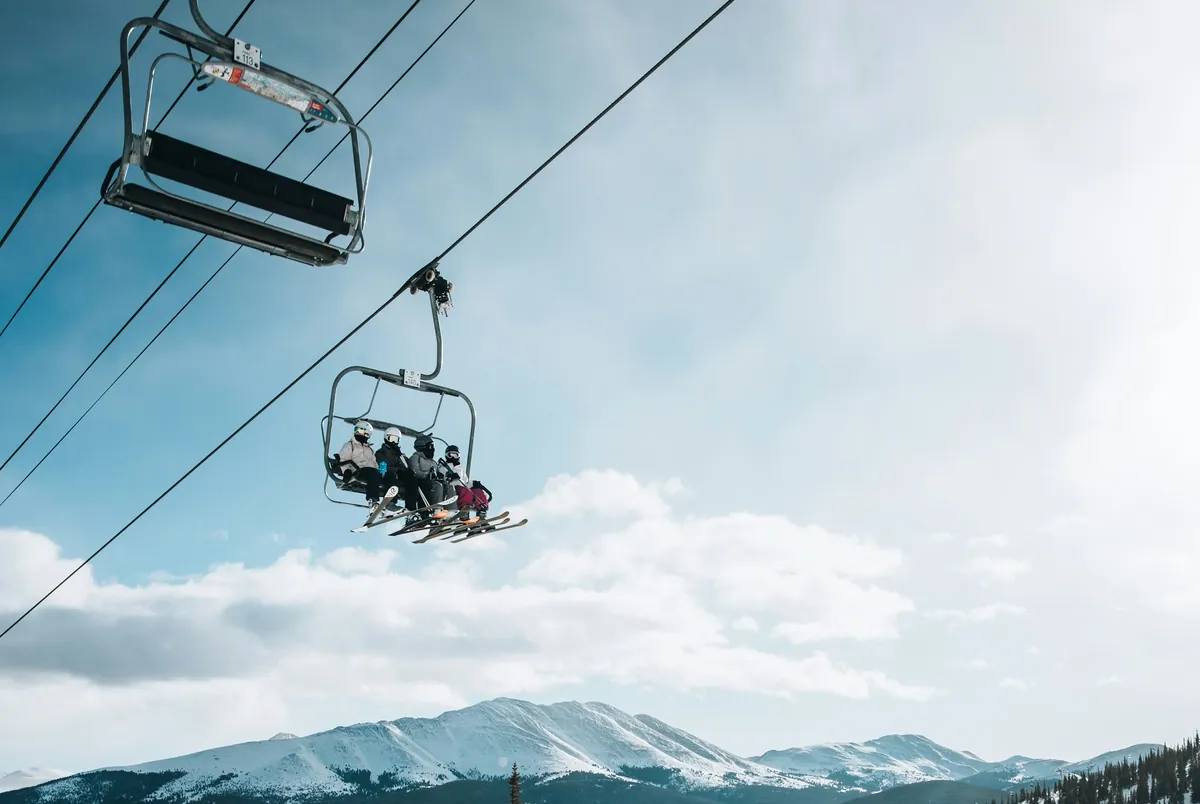
| Colorado ski resorts (Vail, Breckenridge, Aspen) | About 2,400 to 2,950 m (8,000 to 9,600 ft) for lodging | About 1 in 4 visitors gets AMS; spend a night in Denver first if possible |
| Mexico City | About 2,240 m (7,350 ft) | Mild symptoms possible, especially with alcohol and smog; serious illness is rare |
| Cusco, Peru | About 3,350 m (11,000 ft) | High risk if flying in; consider sleeping lower in the Sacred Valley first |
| La Paz, Bolivia | About 3,650 m (12,000 ft); El Alto airport is higher | High risk; plan easy first days. See our Bolivia travel guide |
| Salar de Uyuni, Bolivia | About 3,650 m, with tours sleeping higher | Acclimatise first; see our Salar de Uyuni guide |
| Leh, Ladakh, India | About 3,500 m (11,500 ft) | Rest completely for the first 48 hours after flying in; see the best time to visit Leh Ladakh |
| Lhasa, Tibet | About 3,650 m (12,000 ft) | High risk when flying in; the train from Xining climbs over passes above 5,000 m, so it doesn’t remove the risk |
| Everest Base Camp trek, Nepal | Up to about 5,400 m (17,700 ft) | Follow a schedule with rest days; add extra days if you can |
| Mount Kilimanjaro, Tanzania | 5,895 m (19,341 ft) | Many routes ascend quickly; choose a longer route (7 to 8 days) for better acclimatisation |
Elevation sickness in Colorado and Denver
Denver, the “Mile High City”, is high enough to make you feel breathless climbing stairs and to dry you out, but altitude sickness is uncommon in the city itself. The real risk comes when you drive straight from the airport to a mountain resort and sleep at 2,700 metres or higher on the first night. Spending a night in Denver or a lower foothill town first, going easy on alcohol and exertion for the first two days, and drinking enough water all help. Many resort towns have clinics and oxygen bars, and hotels can arrange oxygen concentrators for guests who need them.
Altitude sickness in Cusco
Cusco is the classic place for travellers to be caught out: you fly from sea level in Lima and land at about 3,350 metres an hour later. Options include sleeping in the Sacred Valley (about 2,800 metres) for your first nights, taking acetazolamide if your doctor recommends it, and planning a slow first day in Cusco. Hotels offer coca tea, and many have oxygen on hand for guests who feel unwell.
Elevation sickness in Mexico City
At about 2,240 metres, Mexico City sits in the moderate band, where AMS is uncommon. Some visitors notice headaches, tiredness, poor sleep or getting out of breath on stairs in the first day or two, made worse by alcohol, dehydration and air pollution. Take it easy at first and drink plenty of water.
Oxygen, coca tea and other remedies
- Bottled oxygen: real oxygen from a concentrator or cylinder at 1 to 2 litres per minute does relieve AMS. Small handheld cans sold in resort shops contain only a few litres and give only brief relief.
- Oxygen bars: a short session may make you feel better temporarily but won’t speed acclimatisation.
- Coca tea and coca leaves: a traditional Andean remedy offered everywhere in Peru and Bolivia. It is a mild stimulant and may make you feel better, but it isn’t proven to prevent altitude sickness. Coca products are illegal to bring into most countries and can show up on drug tests.
- Ginkgo biloba: study results are mixed and it is not recommended as a reliable preventive.
- “Altitude relief” supplements: there is little or no reliable evidence for most products marketed for altitude.
- Pulse oximeters: inexpensive fingertip oximeters can help you and your group track how you are adjusting, but symptoms matter more than the number.
Travelling with a medical condition, children or pregnancy
Most healthy people, including older adults and well-controlled conditions such as asthma, diabetes and high blood pressure, can travel to moderate and high altitudes safely with planning. People with heart or lung disease, sickle cell disease or trait, severe sleep apnoea, recent heart attack or stroke, or poorly controlled conditions should see a doctor with experience of altitude medicine before travelling, since the CDC lists some of these as reasons for caution or to avoid high altitude altogether.
- Children: are as likely as adults to get AMS and may not be able to tell you; watch for fussiness, poor feeding and changes in sleep, and plan gentle itineraries.
- Pregnancy: brief travel to high altitude in a low-risk pregnancy has no known link to harm, but the CDC suggests it may be prudent not to sleep above about 3,050 m (10,000 ft), and to consider the risk of complications far from medical care.
- Diabetes: monitor blood sugar closely; altitude illness can make blood sugar harder to control, and not all glucometers read accurately at altitude.
- Sleep apnoea: take your CPAP machine and check power options; your doctor may recommend acetazolamide.
Make sure your travel insurance covers trekking at the altitude you plan to reach and emergency evacuation; many policies have altitude limits. Our travel insurance checklist and guide to whether travel insurance is worth it explain what to look for.
Packing and planning checklist for high altitude
- Plan an itinerary with gradual ascent and rest days; avoid sleeping more than 500 m higher each night once above 3,000 m.
- See a doctor or travel clinic four to six weeks before the trip to discuss acetazolamide and any emergency medicines.
- Pack ibuprofen or paracetamol, any anti-nausea medicine your doctor suggests, and prescriptions in their original packaging.
- Bring a fingertip pulse oximeter, sunscreen, sunglasses and warm layers; altitude brings cold, dry air and strong ultraviolet light.
- Know the warning signs of HAPE and HACE, and agree with your group that anyone with them goes down, accompanied.
- Check that your insurance covers high-altitude trekking and helicopter evacuation.
- Check vaccination needs for your destination with our travel vaccine checker.
For the full clinical guidance, see the CDC Yellow Book chapter on high-altitude travel and altitude illness and MedlinePlus on acute mountain sickness.
Frequently asked questions
What does elevation sickness feel like?
It usually feels like a hangover: a headache with nausea, tiredness, dizziness or poor appetite, and often poor sleep. Symptoms typically start 2 to 12 hours after arriving at altitude.
At what elevation does altitude sickness start?
It can affect anyone who sleeps above about 2,450 metres (8,000 ft) without acclimatising, and occasionally lower. The risk rises with altitude and with how quickly you climb.
How long does elevation sickness last?
Mild acute mountain sickness usually goes away within 12 to 48 hours, and almost always within three days, if you don’t climb any higher. Severe forms need descent and medical care.
What is the best medicine for altitude sickness?
Acetazolamide (Diamox) is the best-studied medicine for preventing it and also helps treat mild cases. Ibuprofen helps prevent and relieve headaches. Dexamethasone is used for severe cases. Talk to a doctor before taking prescription drugs.
Can I get Diamox over the counter?
Not in the US, UK or most of Europe, where acetazolamide needs a prescription. Over-the-counter options are pain relievers such as ibuprofen and some anti-nausea medicines.
What is the best remedy for altitude sickness?
Stop climbing, rest and treat the headache with ibuprofen or paracetamol. If symptoms get worse, go down at least 300 metres (1,000 ft). Oxygen helps where available.
How do you prevent altitude sickness?
Go up gradually, avoid sleeping above 2,750 metres on your first night, add no more than 500 metres of sleeping altitude a night above 3,000 metres, avoid alcohol for 48 hours, and ask a doctor about acetazolamide.
Can you get altitude sickness in Denver?
It is uncommon in Denver itself, at 1,609 metres, though you may feel breathless and dry. The risk is much higher at Colorado mountain resorts, where lodging is often above 2,450 metres.