Auli is India’s best known ski resort, a high meadow in the Himalayas of Uttarakhand with grand views of Nanda Devi, one of the country’s highest peaks. It changes completely with the seasons, from snow-covered slopes in winter to green alpine meadows in summer, so the best time to visit Auli depends entirely on what you want to do. This guide breaks down Auli season by season, including when the snow falls, and how to get there.
The short answer
For snow and skiing, visit Auli between December and February, when the slopes are white and the resort is at its liveliest. For clear mountain views, pleasant walking, and the famous meadows, come between April and June. Both are excellent, just very different trips. The monsoon months of July to September are best avoided because of rain and landslides on the mountain roads.
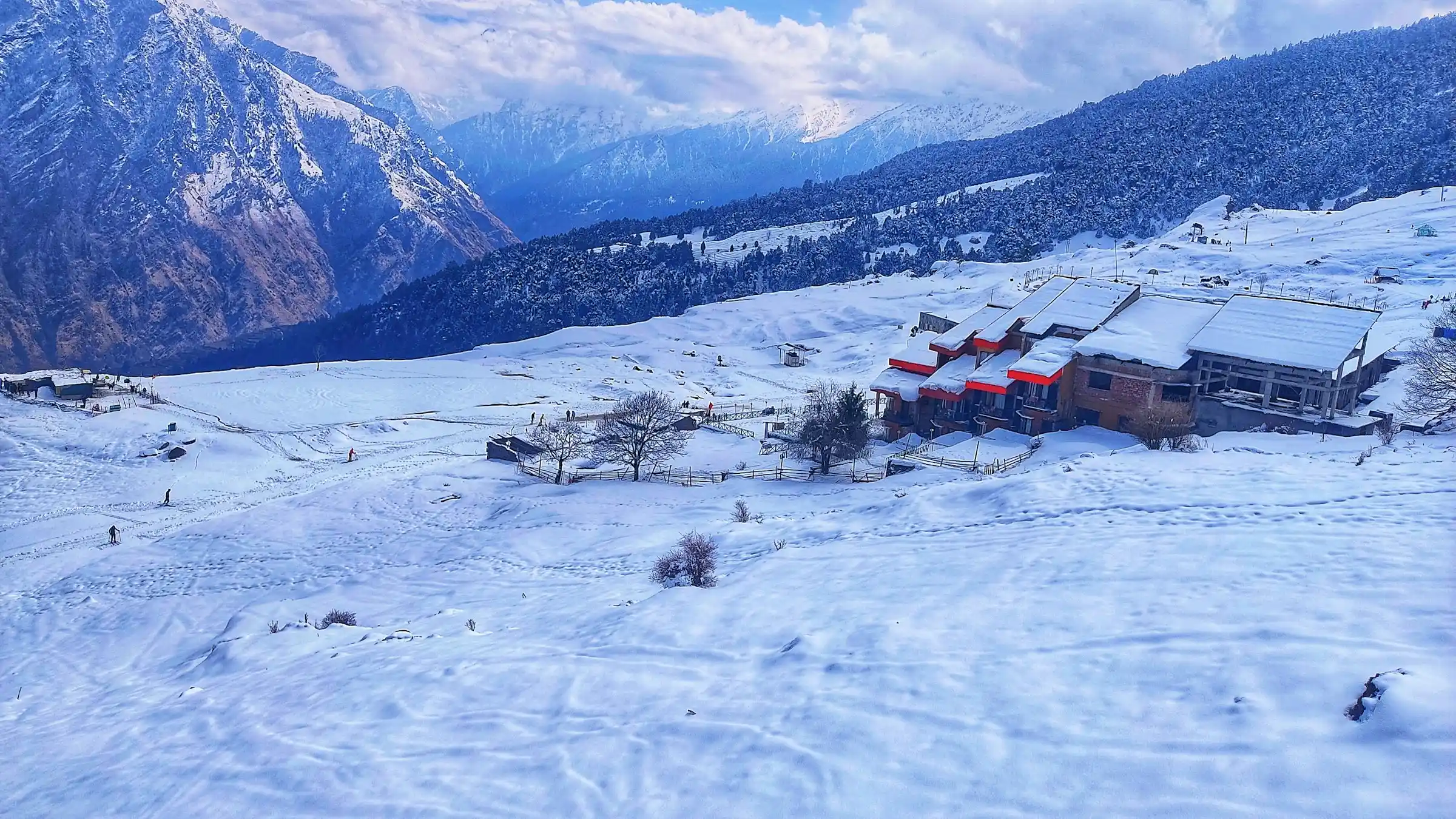
When does it snow in Auli
Snowfall in Auli usually begins in late December and continues through January and February, when the resort sees its heaviest and most reliable snow. January is the coldest and snowiest month, ideal for skiing and for seeing the slopes at their most dramatic. Early December and March can be hit or miss, with snow depending on the year. If snow is the whole point of your trip, aim for January or early February.
Auli season by season
Winter, December to February, is cold, often below freezing, with snow for skiing and sledding. Spring and early summer, April to June, bring mild days, blooming meadows, and crystal-clear views of Nanda Devi, perfect for walking and the cable car. Monsoon, July to September, is wet, with a real risk of landslides closing the roads. Autumn, October to November, is quiet, crisp, and clear, a lovely time before the snow sets in.
How to get to Auli
Auli sits above the town of Joshimath in the Garhwal Himalayas. Most visitors reach Joshimath by road from Rishikesh or Haridwar, a long but scenic drive of around nine to ten hours. From Joshimath you can continue to Auli by road or take the Auli Ropeway, one of the longest cable cars in Asia, which climbs to the slopes with sweeping valley views. The nearest airport is Dehradun and the nearest major railhead is Rishikesh.
Tips for your visit
Pack serious warm layers for winter, as nights are bitterly cold, and sturdy shoes for the meadows in summer. Book accommodation and the ropeway ahead in the December to February peak, when Auli is busiest. The roads are mountainous and can be slow or disrupted by weather, so build in buffer time. Auli combines naturally with the spiritual towns of Uttarakhand, including the ashrams covered in our guide to Rishikesh, and the packing list generator can prepare you for the mountain cold.
Frequently asked questions
What is the best time to visit Auli for snow?
December to February, with January the snowiest and most reliable month for skiing and snow play. Snowfall usually starts in late December and continues through February.
When does it snow in Auli?
Snow typically begins in late December and continues through January and February. January sees the heaviest snowfall, while early December and March vary from year to year.
Is Auli worth visiting in summer?
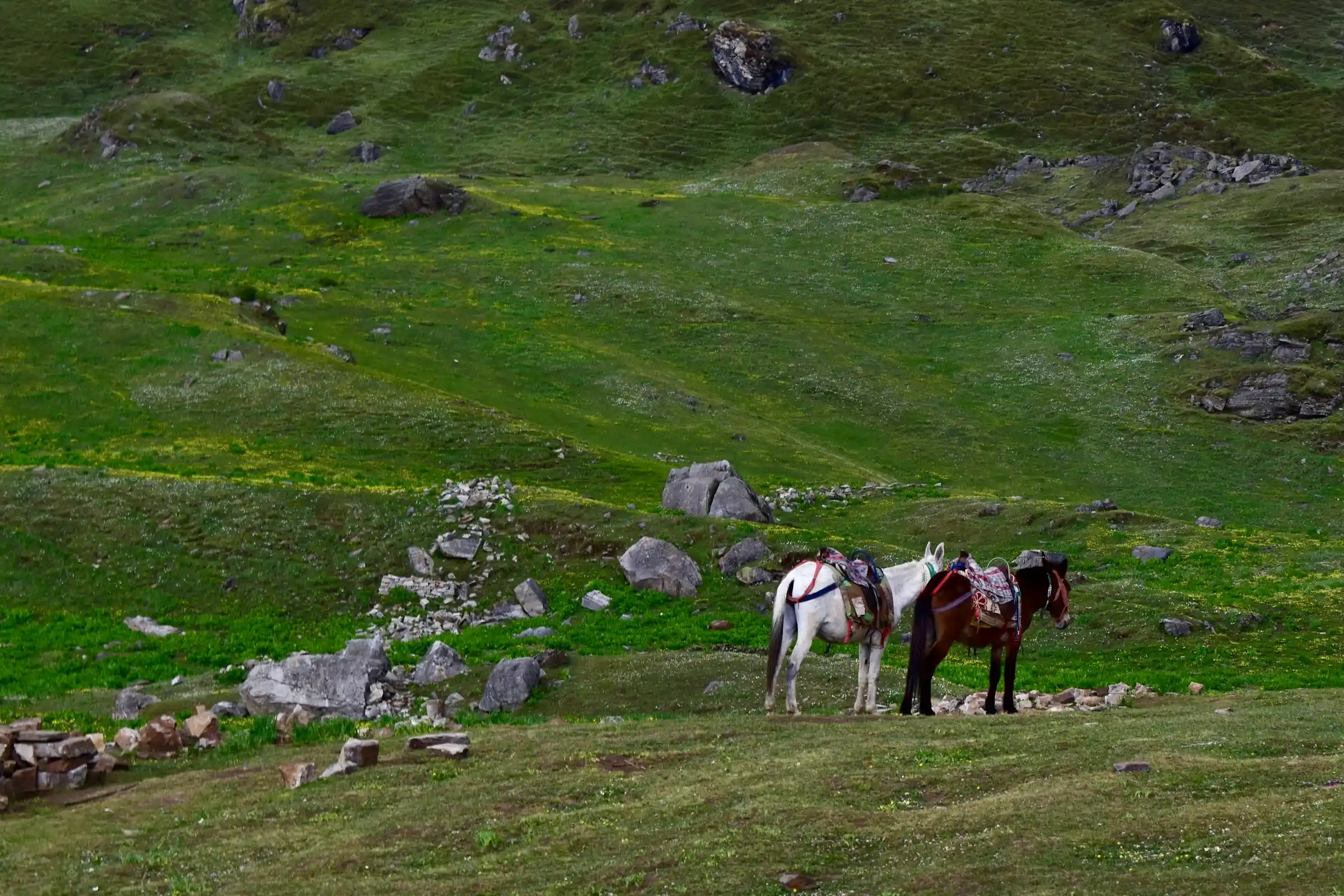
Yes. From April to June the meadows turn green, the weather is mild, and the views of Nanda Devi are at their clearest. It is ideal for walking, the cable car, and photography, without the winter cold.
How do you reach Auli?
Drive to Joshimath from Rishikesh or Haridwar, around nine to ten hours, then continue by road or take the Auli Ropeway cable car. The nearest airport is Dehradun and the nearest railhead is Rishikesh.
Should I avoid the monsoon in Auli?
Yes. July to September brings heavy rain and a real risk of landslides on the mountain roads, which can cause delays and closures. The monsoon is the least reliable time to visit.
Can beginners ski in Auli?
Yes. Auli has gentle slopes and local operators offering lessons and equipment hire, making it a good place for beginners in the winter season, as well as runs for more confident skiers.
What to do in Auli beyond the slopes
Auli is best known for skiing, but it rewards a visit even without snow underfoot. Its cable car, one of the longer and higher ropeways in the country, climbs from Joshimath with wide views over the valley, and in the warmer months the famous ski runs become green alpine meadows. A short walk or chairlift reaches the high meadow of Gorson Bugyal, a classic easy hike with panoramas of the surrounding peaks, while the small artificial lake near the slopes is a gentle spot to pause.
The headline view throughout is Nanda Devi, one of India’s highest mountains, which dominates the skyline on clear days. That is reason enough to prioritise a settled, cloud-free spell: whether you come for winter snow or summer meadows, the mountain views are the thing people remember, so build in a flexible day to wait out any haze and catch the range at its sharpest.