Berlin is unlike any other European capital. It wears its history openly, from the scars of the Wall to grand museums and sombre memorials, yet it is also young, creative, and famously easygoing, with world-class nightlife and some of the best street art anywhere. It is green, spread out, and remarkably affordable for a major city. This Berlin travel guide covers the top sights, the neighbourhoods, how to get around, and when to go.
Top things to see in Berlin
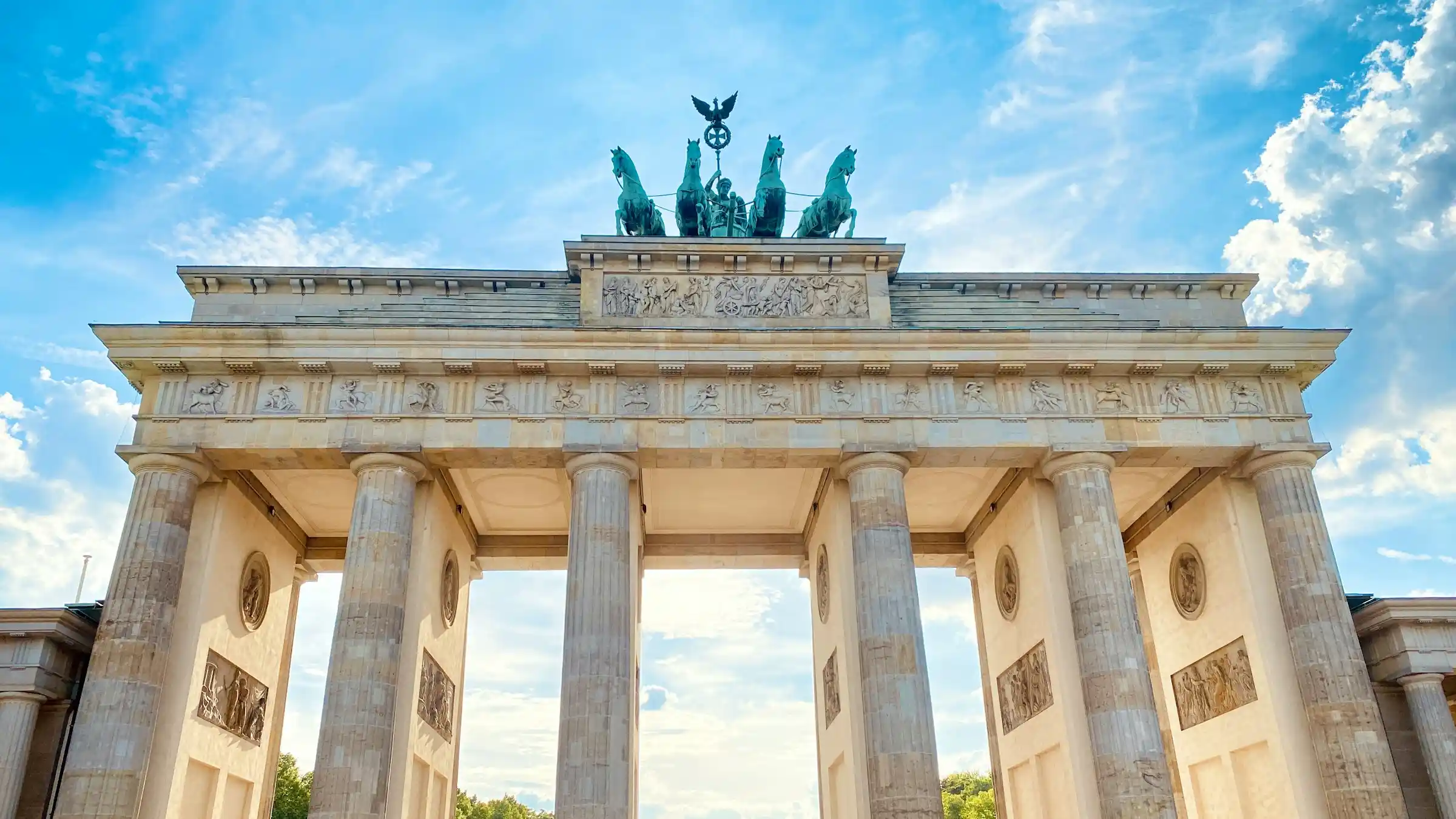
- The Brandenburg Gate, the symbol of the city and of German reunification.
- The Reichstag, the parliament, with a glass dome you can visit for free with a booking.
- Museum Island, a UNESCO cluster of five great museums on the River Spree.
- The East Side Gallery, the painted remnant of the Berlin Wall.
- Checkpoint Charlie and the Wall Memorial, telling the story of the divided city.
- The Memorial to the Murdered Jews of Europe, a moving field of concrete pillars near the gate.
The best neighbourhoods
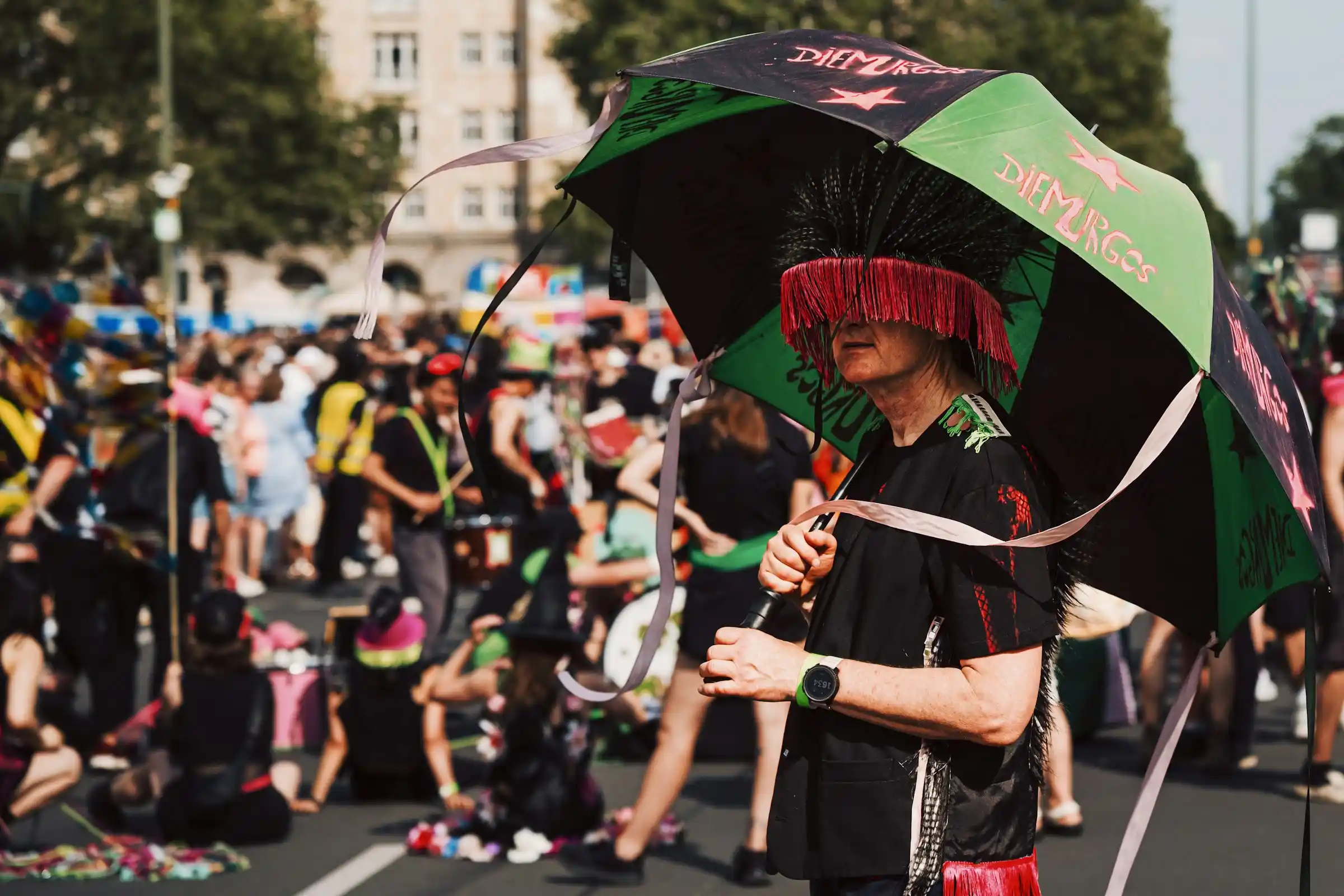
Berlin is a city of distinct districts, each worth a wander. Mitte is the historic centre, home to most of the big sights. Kreuzberg and Neukolln are the creative, multicultural heart, full of street art, markets, and food. Friedrichshain is young and lively, with the East Side Gallery and the nightlife. Prenzlauer Berg is leafy and relaxed, good for cafes and Sunday markets. Charlottenburg in the west is more classic and elegant, with its palace and shopping.
Getting around
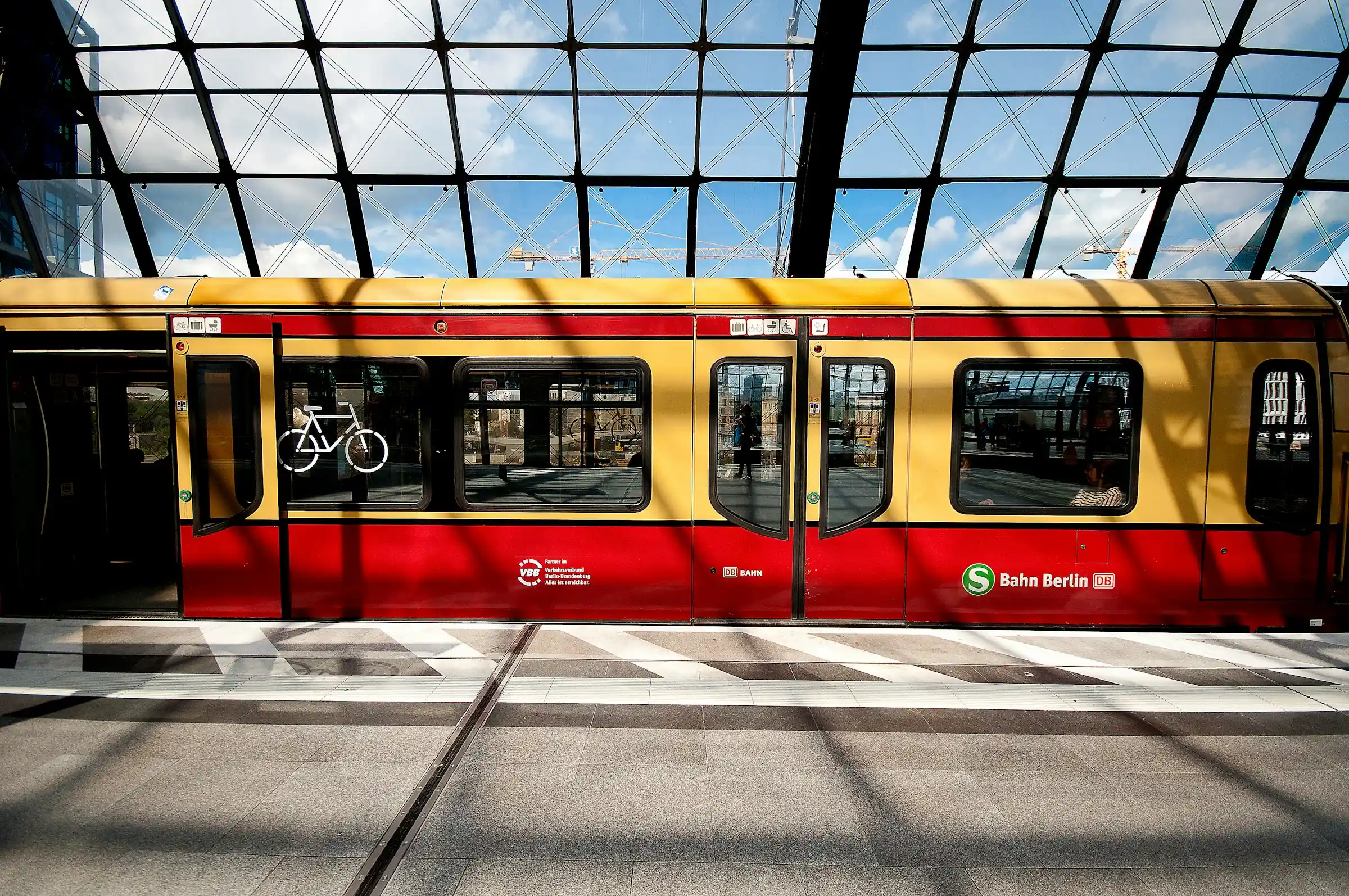
Berlin has an excellent public transport network of U-Bahn and S-Bahn trains, trams, and buses, run under the BVG and VBB system on one ticket. A day pass or the Berlin Welcome Card, which bundles transport with sight discounts, is good value. The city is large, so you will use the trains often, but it is also flat and very bike-friendly. From Brandenburg Airport, trains and buses reach the centre in around 30 to 45 minutes.
When to visit and practical tips
Late spring to early autumn, May to September, brings the warmest weather and the busy outdoor season of beer gardens and festivals. December is cold but magical with Christmas markets. Berlin is cheaper than most Western capitals, card payment is now widely accepted though some places still prefer cash, and English is widely spoken. Book the free Reichstag dome in advance, and leave time for the city’s superb street art, covered in our guide to Berlin street art. If you are touring the country, continue to the fairy-tale towns of the Romantic Road.
Frequently asked questions
How many days do you need in Berlin?
Three to four days lets you see the main historic sights, a couple of museums, and a few neighbourhoods at a relaxed pace. Berlin is spread out and rewards slower exploration, so longer is easily filled.
What is Berlin best known for?
Berlin is known for its history, especially the Berlin Wall and World War Two sites, its museums, its street art, and its nightlife. It is also famous for being green, affordable, and open-minded compared with other European capitals.
Is Berlin expensive to visit?
No, Berlin is one of the more affordable major European capitals. Food, drink, transport, and many museums are reasonably priced, and some of the best sights, like the East Side Gallery and the Reichstag dome, are free.
How do you get around Berlin?
Use the U-Bahn and S-Bahn trains, trams, and buses on a single ticket, with day passes and the Berlin Welcome Card offering good value. The city is also flat and very bike-friendly, and trains link the airport to the centre.
When is the best time to visit Berlin?
May to September is warmest and liveliest, with festivals and beer gardens. December is cold but festive with Christmas markets. Spring and early autumn offer mild weather and fewer crowds.
Do you need to book the Reichstag dome?
Yes. Visiting the Reichstag glass dome is free but requires a booking in advance, with your passport or ID checked on arrival. It is one of the best free views in the city, so reserve early.
Easy day trips from Berlin
Berlin makes a good base for half a day or a full day out, with several contrasting options a short train ride away. Potsdam, just southwest of the city, holds the sprawling palace and park of Sanssouci, a UNESCO-listed landscape of rococo pavilions and gardens that rewards a slow wander. For a sobering but important visit, the Sachsenhausen memorial on the northern edge of the city preserves a former concentration camp as a place of remembrance and education.
If you want nature instead, the Spreewald to the southeast is a gentle maze of waterways where you can take a punt-style boat between villages and sample the region’s famous gherkins. All three are reachable on regional trains covered by the right transport ticket, so they make easy additions to a longer city stay when you want a change of pace from the museums and memorials of the centre.