Rome is a city best explored on foot, but its public transport fills the gaps between the sights, carrying you across the sprawl when your feet give out. Run by ATAC, the network of metro lines, buses, and trams uses one simple ticket, and a day pass can save both money and hassle. This guide explains Rome public transport: the tickets, the metro, the buses, how to reach the city from the airports, and the pitfalls to avoid.
The network at a glance
ATAC runs Rome’s metro, buses, and trams on a single integrated fare system, so one ticket works across all of them. The metro is fast but limited to three lines, which deliberately avoid much of the ancient centre to protect the ruins. Buses and trams reach everywhere the metro does not, including many of the major sights. For visitors, a mix of walking, the metro for longer hops, and the occasional bus covers the city well.

Tickets and passes
- The single BIT ticket is valid for 100 minutes, covering unlimited buses and trams plus one metro ride.
- Day passes of 24, 48, or 72 hours give unlimited travel and are great value for busy sightseeing days.
- The weekly CIS ticket suits longer stays.
- Contactless payment is now accepted on the metro and many buses, charging the single fare automatically.
Buy tickets from machines, tobacco shops marked Tabacchi, or the ATAC app, and always validate a paper ticket in the machine when you board, or you risk a fine.
The metro and buses
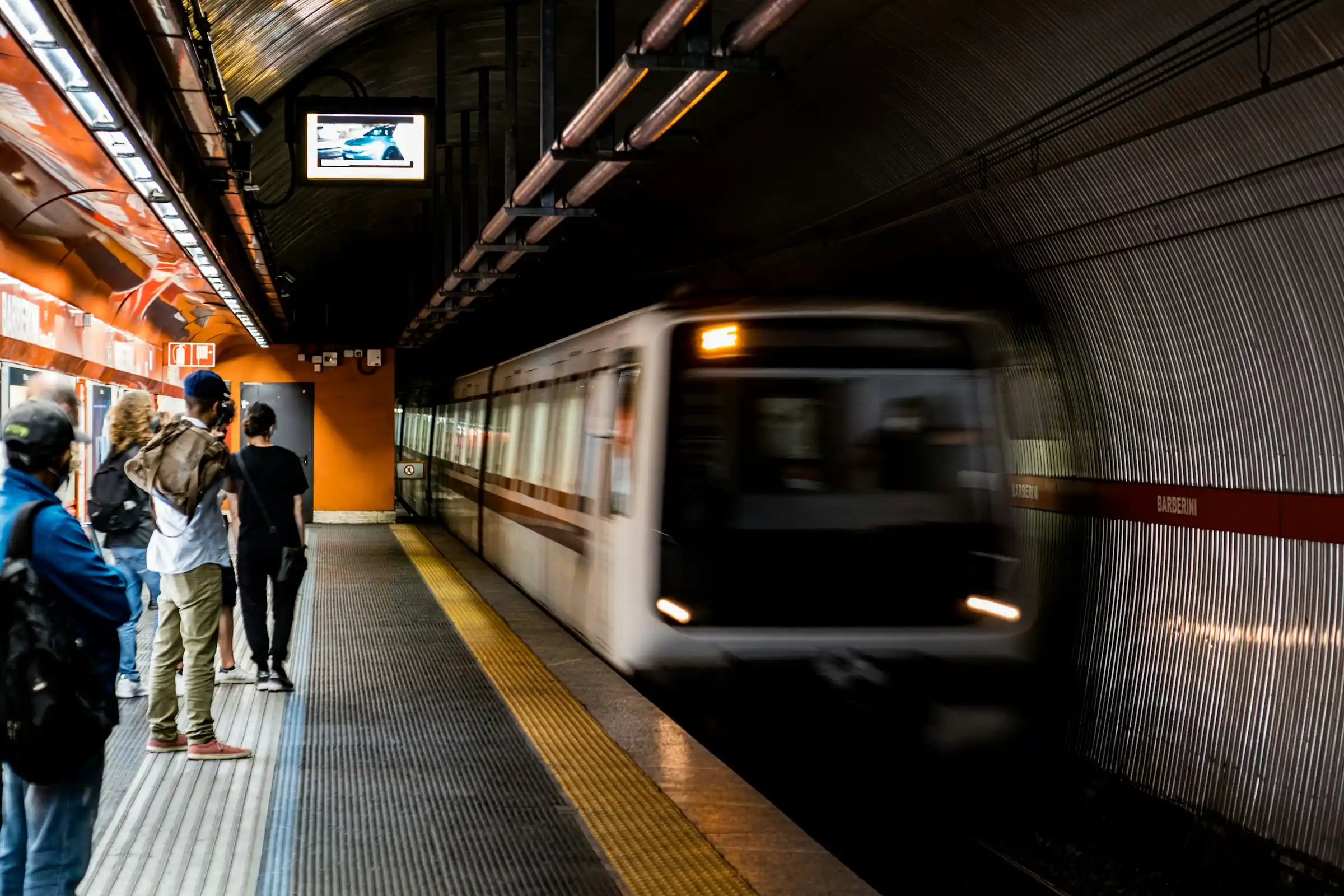
Rome’s metro has three lines, A, B, and C, meeting at Termini, the main station. Line A reaches the Vatican and the Spanish Steps area, while Line B serves the Colosseum. Buses and trams fill in the rest, including routes to Trastevere and around the historic centre. Services are frequent but can be crowded and subject to occasional strikes, so allow extra time and have a walking route as a backup.
From the airports
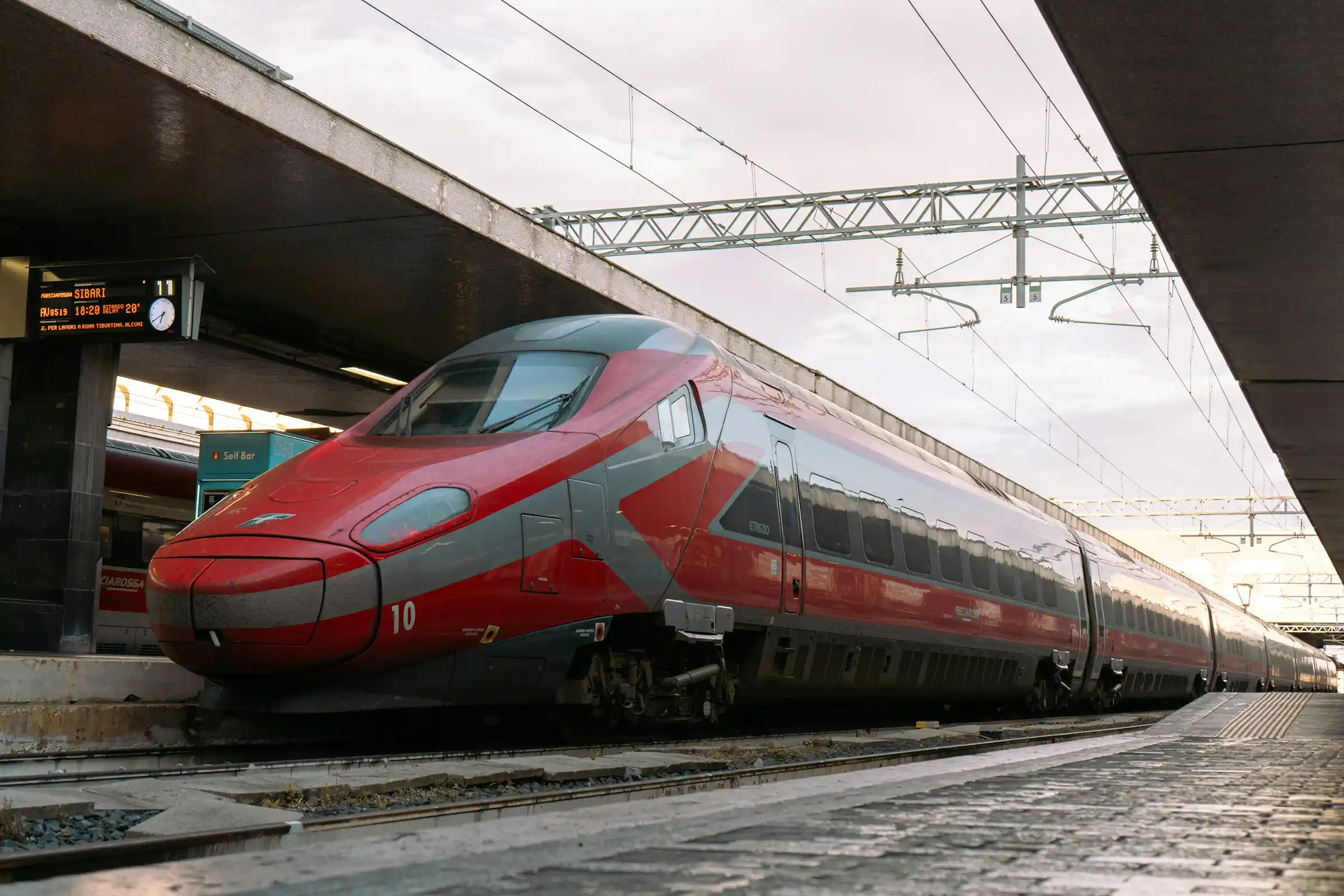
From Fiumicino Airport, the Leonardo Express train runs direct to Termini in about 32 minutes, and cheaper regional trains and buses also serve the city. From Ciampino Airport, shuttle buses connect to Termini in around 40 minutes. Taxis to the centre run at a fixed flat fare from both airports, which is worth knowing to avoid being overcharged. The airport trains and buses are separate from the city ATAC fare.
Tips and pitfalls
Validate every paper ticket, as inspectors do check and fines are steep. Watch for pickpockets on crowded buses and the metro, especially routes near the main sights. Avoid unlicensed taxi touts at the airports and stations, and use the official ranks. If you are also travelling elsewhere in Italy, our guide to San Gimignano in Tuscany makes a great side trip, and for another easy European system see how to get around with our Amsterdam public transport guide.
Frequently asked questions
What is the best way to get around Rome?
Walking covers much of the historic centre, with the metro for longer hops and buses for the rest. A 24, 48, or 72 hour ATAC pass is good value on busy sightseeing days and removes the need to buy single tickets.
How much is a metro ticket in Rome?
A single BIT ticket is valid for 100 minutes and includes one metro ride plus unlimited buses and trams in that time. Day and multi-day passes offer unlimited travel and better value for heavy use.
Does the Rome metro reach the main sights?
Partly. Line A reaches the Vatican and the Spanish Steps area, and Line B serves the Colosseum, but much of the ancient centre is best reached on foot or by bus, as the metro avoids it to protect the ruins.
How do I get from Fiumicino Airport to Rome?
The Leonardo Express train runs direct to Termini in about 32 minutes. Cheaper regional trains and buses also serve the city, and taxis charge a fixed flat fare to the centre. The airport services are separate from the city ATAC fare.
Do I need to validate my ticket in Rome?
Yes. Validate paper tickets in the machine when you board a bus or tram, or at the metro gates. Inspectors check regularly and fines for an unvalidated ticket are high. Contactless taps are validated automatically.
Is Rome public transport safe?
It is generally safe, but pickpocketing is common on crowded buses and metro lines near the tourist sights. Keep valuables secure and zipped away, stay aware in busy carriages, and use official taxi ranks rather than touts.
Strikes, night transport and accessibility
Two quirks of Rome’s system are worth knowing in advance. Transport strikes, or scioperi, happen periodically and can suspend much of the network for part of a day, though essential services usually run during guaranteed windows; the dates are announced ahead, so a quick check can save you a stranded afternoon. After the metro stops in the late evening, a network of night buses takes over on the main corridors, identifiable by the letter in their route number, filling the gap until the morning service resumes.
Accessibility is mixed. The newer metro line is largely step-free, but much of the older line and many historic stations have stairs and no lifts, so travellers with reduced mobility or heavy luggage should plan routes carefully and lean on buses and trams where the metro falls short. The official city transport app shows live arrivals and any disruption, which is the quickest way to adapt your plans on the day.