Lisbon is a city made for walking. Its character lives in the details you only catch on foot: the patterned tiles, the rattling trams, the sudden viewpoints over red rooftops, and the smell of grilled sardines drifting from a side street. A walking tour, whether guided or self-guided, is the best way to understand the Portuguese capital. This guide covers the best Lisbon walking tour routes, how the popular free walking tours work, and how to manage the famous hills.
Why walk Lisbon
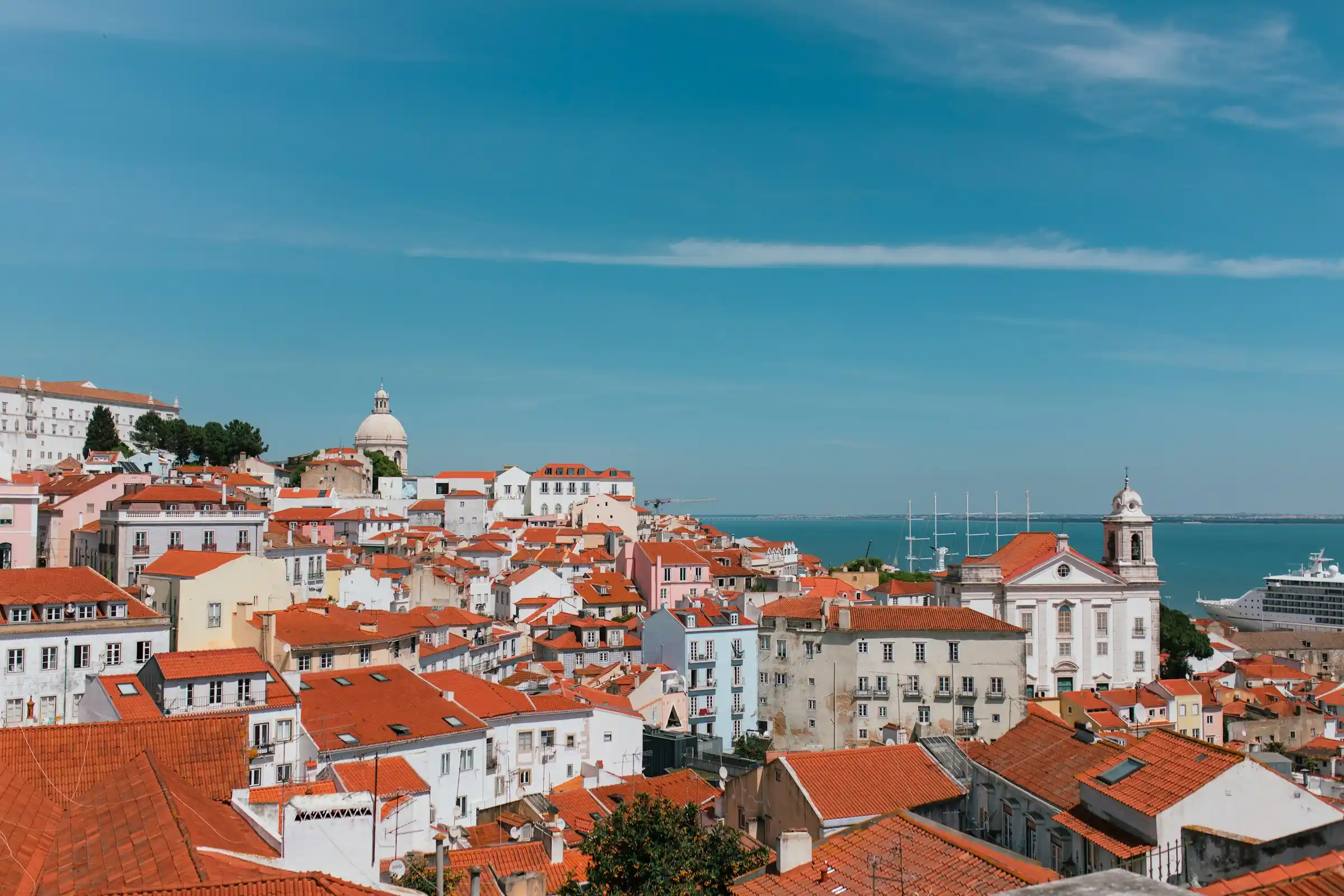
Lisbon is built over seven hills beside the Tagus river, and its oldest districts are a maze of narrow lanes and stairways that no bus can reach. Walking lets you slip into the quiet corners of Alfama, pause at a miradouro viewpoint, and follow the city’s layers of history from Moorish castle to great earthquake to modern street art. It is compact enough to cross on foot, as long as you are ready for the climbs.

The best areas to explore on foot
- Alfama, the oldest quarter, a tangle of lanes below the castle, home to fado music and the best viewpoints.
- Baixa, the grand grid of squares and pedestrian streets rebuilt after the 1755 earthquake.
- Chiado and Bairro Alto, elegant by day and lively by night, full of cafes, bookshops, and bars.
- Belem, by the river, with its monastery, tower, and the original pasteis de nata custard tarts.
How free walking tours work
Lisbon is one of the best cities in Europe for free walking tours. Several companies run them daily, usually starting from a central square such as Rossio or Praca do Comercio. There is no fixed price: the guides work for tips, so you pay what you feel the tour was worth at the end, typically 10 to 15 euros per person. They are a great introduction, especially on your first day, covering the history, the main districts, and local tips. Booking a spot online in advance is wise in high season.
A simple self-guided route
To explore on your own, start in the riverside square of Praca do Comercio, walk up through the Baixa grid to Rossio, then climb into the Chiado for coffee. From there wander down into Alfama, finishing at the Sao Jorge castle and a viewpoint for sunset. It is a half-day on foot with plenty of stops, and you can ride the historic Tram 28 for part of it to rest your legs.

Tips for walking Lisbon
Wear comfortable shoes with good grip, because the streets are steep and paved with smooth, often slippery cobbles called calcada. Carry water and go early or late in summer to avoid the midday heat. Spring and autumn are the most pleasant times to walk. Save your legs by using the trams and the historic funiculars for the steepest climbs. The packing list generator can help you pack the right footwear, and for keeping your phone charged on the go, see our guide to Portugal plug adapters.
Frequently asked questions
Is Lisbon good for walking tours?
Yes, it is one of the best walking cities in Europe. Its historic districts are compact and full of character that you can only reach on foot, from Alfama’s lanes to the riverside squares. Just be ready for the hills and cobbles.
How do free walking tours in Lisbon work?
Guides run them for tips rather than a set fee, so you pay what you think the tour was worth at the end, often 10 to 15 euros per person. They start from central squares and are a great first-day introduction. Book online in busy periods.
How long is a Lisbon walking tour?
Guided tours usually last two to three hours and cover the main central districts. A self-guided route linking Baixa, Chiado, and Alfama makes a relaxed half-day with viewpoints and coffee stops along the way.
Is Lisbon very hilly to walk?
Yes. Lisbon is built on seven hills, so expect steep climbs and smooth cobbles that can be slippery. Wear shoes with good grip, take your time, and use the trams and funiculars to skip the hardest ascents.
What should I wear for walking in Lisbon?
Comfortable shoes with a good grip are essential for the cobbled hills. Dress in layers for changeable weather, bring water and sun protection in summer, and a light waterproof in the cooler months.
When is the best time for a walking tour in Lisbon?
Spring and autumn are ideal, with mild temperatures for walking the hills. In summer, start early or go late in the day to avoid the midday heat, and carry plenty of water.
Tackling Lisbon’s hills
Lisbon is famously built on hills, and the climbs between neighbourhoods are steeper than the map suggests. The city’s historic trams, funiculars and street lifts exist precisely to spare your legs: the vintage Tram 28 trundles a scenic route through the old quarters, the Bica and Glória funiculars haul you up the sharpest slopes, and the wrought-iron Santa Justa Lift connects the lower town to the Carmo area above. Using one or two of these turns a tiring uphill slog into part of the sightseeing.
Footwear is not a small detail here. The pavements are laid with the traditional calçada, small polished limestone blocks that become slippery when wet, so pack shoes with real grip and take the downhill stretches carefully after rain. Plan your walking route to climb with help from a tram or lift and descend on foot, and you will see far more of the city without ending the day footsore.