The United Kingdom squeezes an extraordinary amount into a small set of islands: prehistoric stone circles, world-famous castles, two-thousand-year-old Roman spas, soaring cathedrals, dramatic coastlines and some of the most beautiful national parks in Europe, spread across England, Scotland, Wales and Northern Ireland. If you are planning a first trip or putting together a UK bucket list, this guide rounds up 25 of the best places to visit and the top tourist attractions across all four nations, so you can mix the icons with the landscapes and plan a route that is not all London.
- London — free national museums, the Tower and Westminster (England)
- Stonehenge (England)
- Bath and the Roman Baths (England)
- Windsor Castle (England)
- York and York Minster (England)
- Oxford (England)
- Cambridge (England)
- Canterbury Cathedral (England)
- Durham Cathedral (England)
- The Cotswolds (England)
- Liverpool’s UNESCO waterfront (England)
- Chester (England)
- The Lake District (England)
- The Peak District (England)
- The Cornwall and Devon coasts (England)
- The Jurassic Coast (England)
- Edinburgh and Edinburgh Castle (Scotland)
- Loch Ness and the Great Glen (Scotland)
- Glencoe (Scotland)
- The Isle of Skye (Scotland)
- Glasgow (Scotland)
- Eryri (Snowdonia) and Yr Wyddfa (Wales)
- The Pembrokeshire Coast (Wales)
- The Giant’s Causeway (Northern Ireland)
- Belfast and Titanic Belfast (Northern Ireland)
Top UK attractions in short
- Top picks: London, Stonehenge, Bath, Windsor Castle and York in England, Edinburgh in Scotland, Eryri in Wales and the Giant’s Causeway in Northern Ireland.
- England: The Lake District, the Peak District, the Cornwall and Devon coasts and Dorset’s Jurassic Coast are the best landscape attractions.
- Scotland: Edinburgh Castle, Loch Ness, Glencoe, the Isle of Skye and Glasgow lead the list, and the North Coast 500 links the far north.
- Wales: Eryri (Snowdonia), the 186-mile Pembrokeshire Coast path, the UNESCO castles of Caernarfon, Conwy and Harlech, and the capital, Cardiff.
- Planning: Group attractions by region, since travel is slower than the map suggests, and aim for May to September for the best weather.
Iconic England: landmarks and historic cities
London, Stonehenge, Bath, Windsor Castle and York are the headline stops in England, alongside Oxford and Cambridge for their centuries-old colleges.
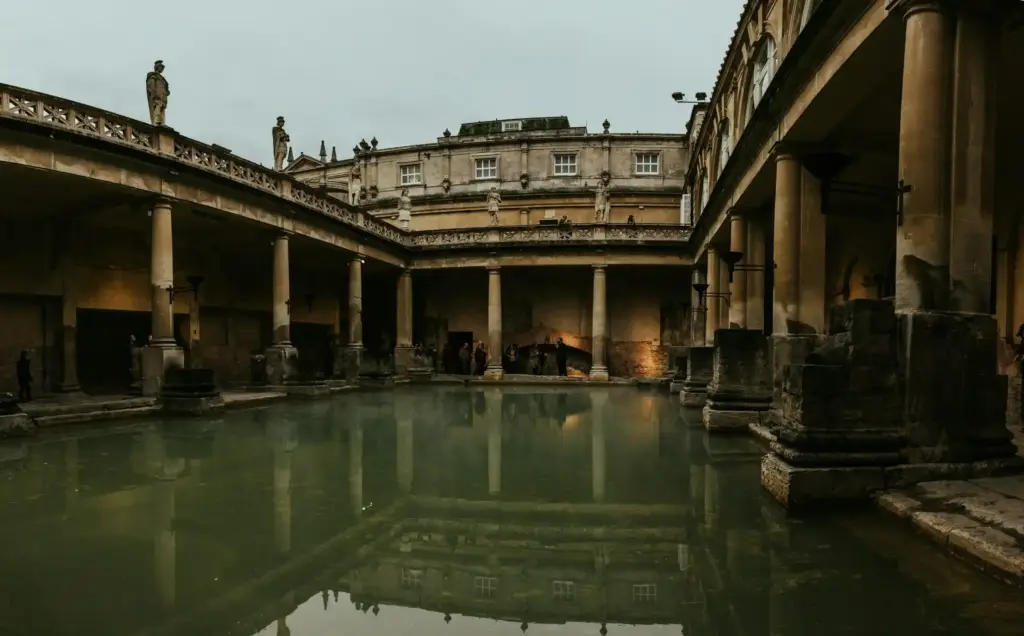
London is the obvious starting point, and its free national museums, the Tower of London, Tower Bridge, Buckingham Palace, Westminster Abbey and the London Eye could fill several days on their own. Beyond the capital, Stonehenge in Wiltshire is the UK’s most famous ancient monument, a 5,000-year-old stone circle best paired with the Georgian city of Bath and its remarkably preserved Roman Baths. Windsor Castle, the oldest and largest inhabited castle in the world, sits an easy trip west of London.
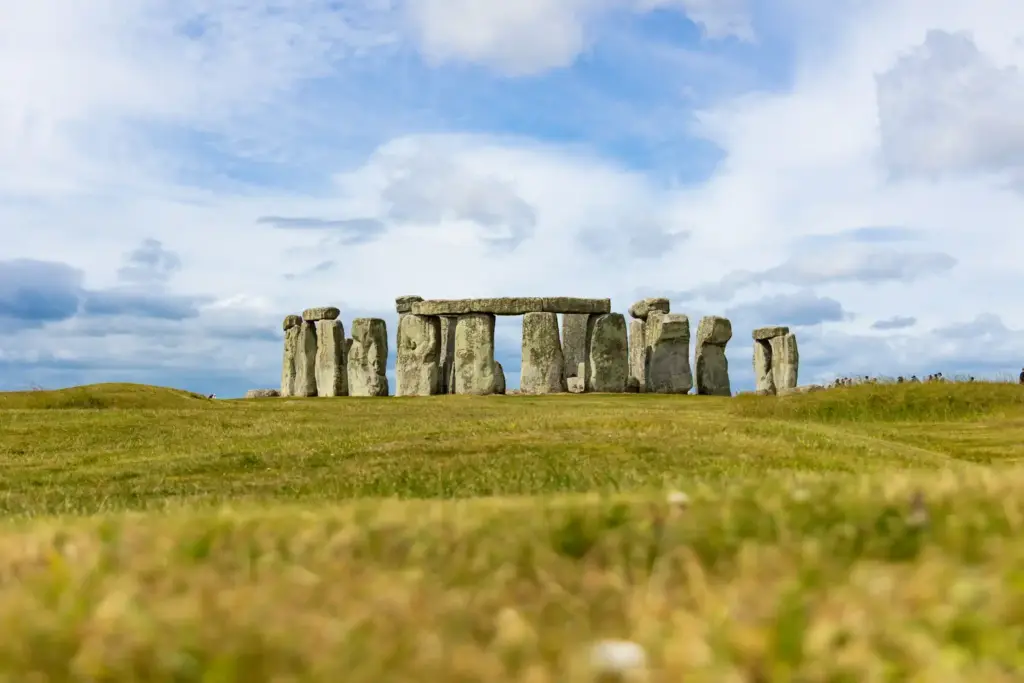
For historic cities, York delivers medieval walls, the Shambles and the magnificent York Minster; Cambridge and Oxford offer centuries-old colleges and punting on the river; and Canterbury and Durham add two of England’s finest cathedrals. The honey-stone villages of the Cotswolds are the quintessential English countryside, while Liverpool (the Beatles and a UNESCO waterfront) and Chester (Roman walls and black-and-white streets) reward a northern detour.
England’s great landscapes
The Lake District, the Peak District, the Cornwall and Devon coasts and Dorset’s Jurassic Coast are England’s best landscape attractions.
Some of the UK’s best attractions are not buildings at all. The Lake District, England’s largest national park, pairs the country’s highest mountains with its most beautiful lakes. The Peak District, the first national park in Britain, offers accessible hills and show caves between Manchester and Sheffield. In the far south-west, the Cornwall and Devon coasts bring turquoise coves, surf beaches and the long-distance South West Coast Path, while the Jurassic Coast of Dorset is a UNESCO World Heritage fossil coastline.
Scotland: castles, cities and the Highlands
Scotland’s highlights are Edinburgh Castle, Loch Ness, Glencoe, the Isle of Skye and Glasgow, with the North Coast 500 linking the far north as one road trip.
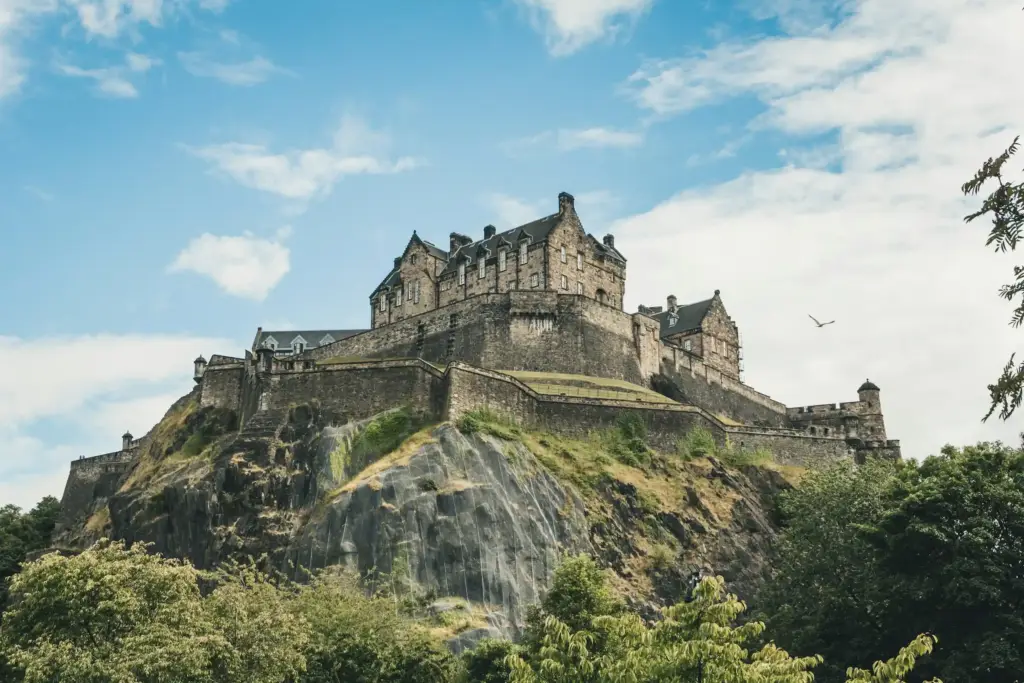
Edinburgh is one of the most striking capital cities in Europe, crowned by Edinburgh Castle on its volcanic rock and lined with the medieval closes of the Royal Mile and the Georgian New Town. North and west, the Scottish Highlands are the UK’s wildest landscape: Loch Ness and the Great Glen, the brooding mountains of Glencoe, and the serrated ridges and fairy pools of the Isle of Skye. Glasgow adds art, music and architecture, and the North Coast 500 strings the far north together into one of the world’s great road trips.
Wales: mountains, coast and castles
Wales offers Eryri (Snowdonia), the 186-mile Pembrokeshire Coast path, the UNESCO castles of Caernarfon, Conwy and Harlech, and the capital, Cardiff.
Wales punches far above its size. Eryri (Snowdonia) has the highest mountains in England and Wales, including Yr Wyddfa (Snowdon), and a steam railway to the summit. The Pembrokeshire Coast, Britain’s only coastal national park, has a 186-mile path, puffin islands and beaches like Barafundle Bay. Wales is also the land of castles, with the mighty UNESCO fortresses of Caernarfon, Conwy and Harlech, and the lively capital, Cardiff, with its castle and waterfront. Planning to climb Eryri’s highest peak? Our comparison of the six paths up Snowdon helps you pick the right route.
Northern Ireland: coast and causeway
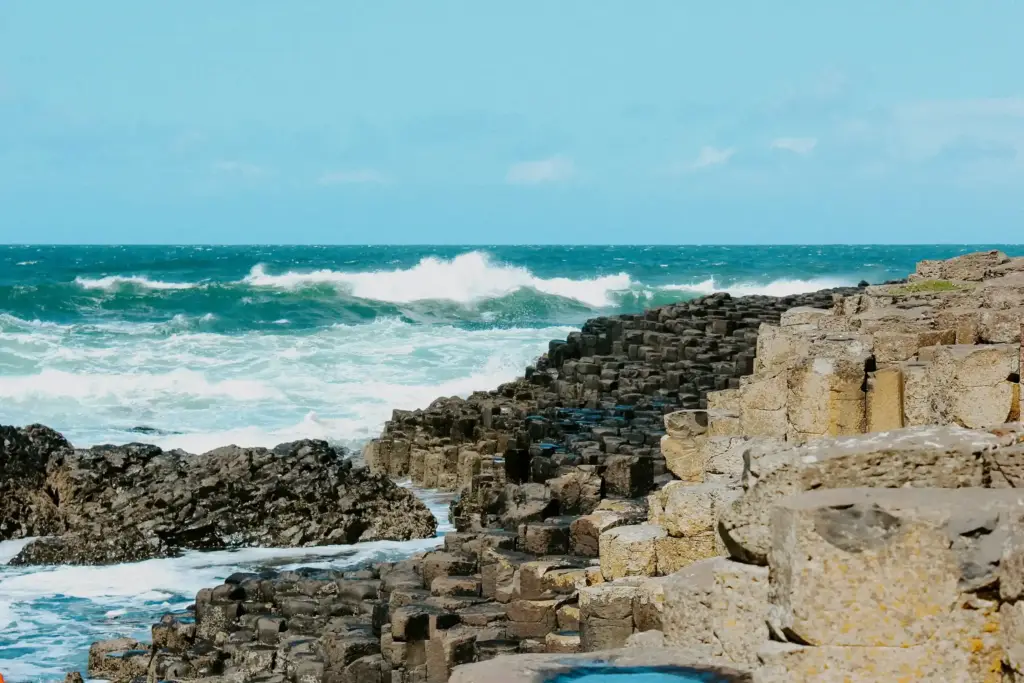
Northern Ireland’s top draws are the Giant’s Causeway, with its 40,000 basalt columns, and the Titanic Belfast museum, plus Game of Thrones filming locations.
Compact Northern Ireland has one of the UK’s most extraordinary natural sights: the Giant’s Causeway, a UNESCO World Heritage site of 40,000 interlocking basalt columns on the Antrim coast, reached along the scenic Causeway Coastal Route past Dunluce Castle and the Carrick-a-Rede rope bridge. Belfast tells the story of the ship that was built there at the award-winning Titanic Belfast museum, and the city is the gateway to Game of Thrones filming locations across the region.
Planning your UK trip
Group attractions by region, since travel is slower than the map suggests. May to September brings the best weather, and National Trust or English Heritage passes can pay for themselves.
A few practicals help you see more. The UK is small but travel is slower than the map suggests, so group attractions by region rather than crisscrossing the country — a typical two-week trip might combine London, the south (Stonehenge, Bath, the Cotswolds), then either the Lakes and Scotland or Wales and the west. Late spring to early autumn (May to September) brings the best weather and longest days, though summer is busiest at the headline sights. Many of the finest attractions are run by the National Trust and English Heritage (and their Scottish and Welsh equivalents), whose membership or tourist passes can pay for themselves if you visit several castles and houses. Trains link the major cities well; a car unlocks the national parks and coastlines. To go beyond the famous sights, lesser-known historical landmarks in the UK covers 15 quieter castles, ruins and ancient sites.
Frequently asked questions
What are the top tourist attractions in the UK?
The most visited and iconic include the British Museum and other free London museums, the Tower of London, Stonehenge, Windsor Castle, the Roman Baths in Bath, Edinburgh Castle, Snowdonia, the Lake District and the Giant’s Causeway in Northern Ireland — a mix of historic landmarks and national-park landscapes.
What is the best place to visit in the UK outside London?
Edinburgh and the Scottish Highlands, the Lake District, Bath and the Cotswolds, York, and Snowdonia and the Pembrokeshire coast in Wales are the standout destinations beyond London, each offering a very different side of Britain.
When is the best time to visit the UK?
Late spring to early autumn (roughly May to September) has the warmest, driest weather and the longest daylight, which is ideal for the countryside and coast. July and August are busiest and most expensive; May, June and September are a good balance of weather and smaller crowds.
How many days do you need to see the UK?
You can see London’s highlights in 3 to 4 days. To add the south (Stonehenge, Bath, the Cotswolds) and either Scotland, the Lake District or Wales, allow 10 to 14 days, grouping attractions by region to cut down on travel time.
Are UK attractions free to visit?
Many are. The major national museums and galleries are free, as are national parks and most coastline. Castles, historic houses, cathedrals’ interiors and paid attractions charge entry, though National Trust and English Heritage memberships or tourist passes can save money if you visit several.