Introduction
If you are planning your first trip to the Canadian Rockies, the best things to do in Banff Canada include visiting Lake Louise, seeing Moraine Lake by shuttle, riding the Banff Gondola, hiking scenic trails, driving part of the Icefields Parkway, exploring Banff town, and adding seasonal activities like skiing or ice walks. For most travelers, Banff works best when you mix famous viewpoints with slower outdoor time instead of trying to rush every stop in one day.
This 2026 guide covers the top attractions, easy activities, outdoor adventures, winter ideas, town stops, food tips, and practical planning advice. It also includes shuttle notes, itinerary ideas, and internal tools you can use to plan your trip without overloading your schedule.
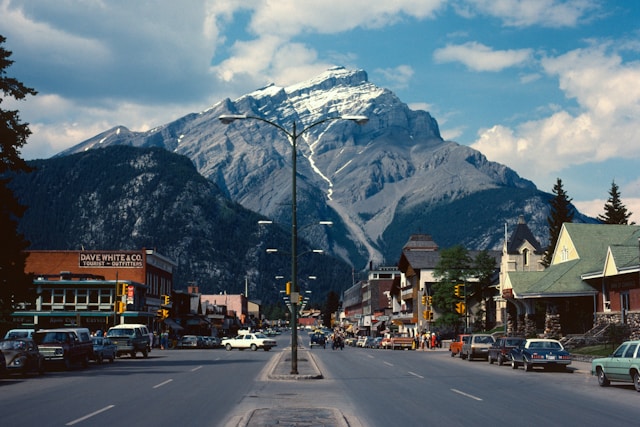
Table of Contents
- Things to Do in Banff Canada: Quick Picks
- Famous Banff Attractions You Should Not Miss
- Best Lakes by Banff for First-Time Visitors
- Best Hikes in Banff
- Scenic Drives and Viewpoints
- Banff Town Things to Do
- Adventure Activities in Banff
- Things to Do in Banff in Winter
- Banff Itinerary Ideas
- Practical Banff Planning Tips
- Common Mistakes to Avoid
- Conclusion
- Frequently Asked Questions
Things to Do in Banff Canada: Quick Picks
Best things to do in Banff Canada for first timers
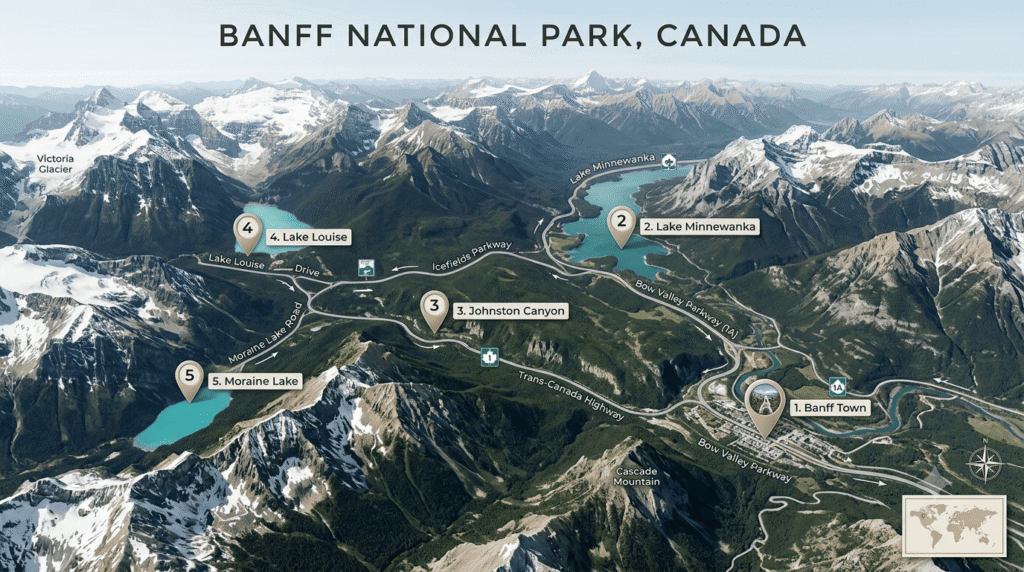
For a first visit, start with the classics. Lake Louise, Moraine Lake, Banff Gondola, Johnston Canyon, Bow Falls, Vermilion Lakes, Lake Minnewanka, and Banff Avenue give you a strong feel for the area without needing advanced hiking experience.
If you only have one full day, choose three main stops. A realistic day could be Lake Louise in the morning, Banff Gondola or Sulphur Mountain in the afternoon, and Banff town in the evening. If you also want Moraine Lake, plan around shuttle access rather than assuming you can drive there.
Banff National Park is popular for a reason. Parks Canada reported that Banff welcomed 4.515 million visitors in 2025, its highest number to date, so planning ahead matters more than ever.
Best things to do if you have three to five days
With three to five days, you can slow down and enjoy Banff properly. Spend one day around Lake Louise and Moraine Lake, one day around Banff town and nearby viewpoints, one day on Johnston Canyon and Bow Valley Parkway, and one day on Lake Minnewanka, hiking, or a partial Icefields Parkway drive.
A five-day trip can also include Canmore, Yoho National Park, or the Banff to Jasper route. For a clean day-by-day plan, use the Boarding Gate Trip Itinerary Builder after choosing your travel month.
Famous Banff Attractions You Should Not Miss
Lake Louise
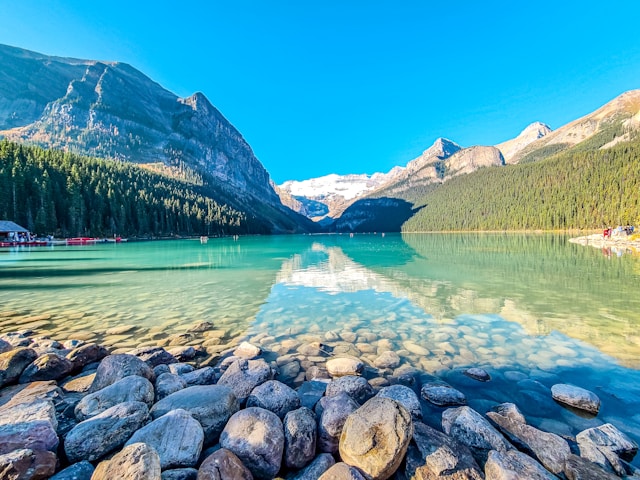
Lake Louise is one of the most famous places in Canada. The lake sits below steep mountain walls, with the Fairmont Chateau Lake Louise at one end and glacier views at the other. It is easy to enjoy even if you do not hike.
You can walk the lakeshore trail, rent a canoe in season, take photos from the main viewpoint, or continue toward Lake Agnes Tea House if you want a longer hike. Summer gives you the classic turquoise water. Winter gives you snow, ice skating when conditions allow, and a completely different mood.
Do not treat Lake Louise as a casual drive-up stop in peak season. Parking is limited, paid parking is in effect during the shuttle season, and many visitors are turned away once spaces fill. Parks Canada recommends shuttle reservations as the best way to guarantee access to both Lake Louise and Moraine Lake in one day.
Moraine Lake
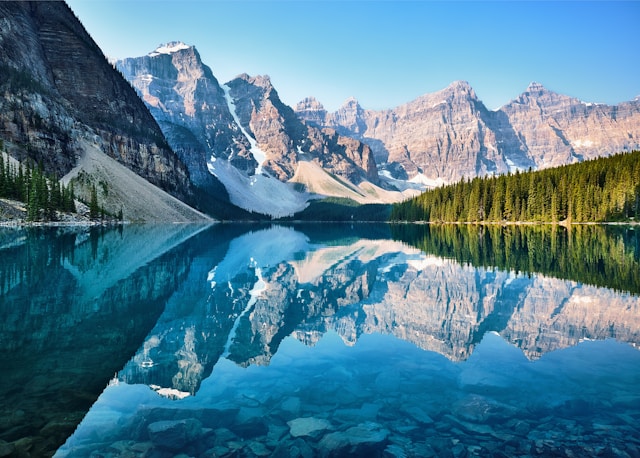
Moraine Lake is the lake many travelers picture when they think of Banff. It sits in the Valley of the Ten Peaks and has a deep blue-green color when fully thawed. The Rockpile viewpoint is short, but the view is one of the strongest in the park.
The important 2026 planning note is simple: Moraine Lake Road is closed to personal vehicles year-round. Access is through Parks Canada shuttles, Roam transit connections, licensed operators, or lodge guest access. Parks Canada lists the 2026 Moraine Lake shuttle season as June 1 to October 12, weather permitting.
This means Moraine Lake should be planned before you arrive. Do not wait until the night before in July or August and hope everything works out.
Banff Gondola and Sulphur Mountain
The Banff Gondola is one of the easiest ways to get a high mountain view without a hard climb. It takes you up Sulphur Mountain, where boardwalks and viewing platforms look across the town, Bow Valley, and surrounding peaks.
If you like hiking, you can walk up Sulphur Mountain and take the gondola down, depending on conditions and your energy. If you prefer a simple experience, book the gondola and time it for clear weather. Sunrise and sunset can be beautiful, but clouds can reduce the value of the ticket.
This is a good choice for families, first-time visitors, and anyone who wants a big view without committing to a full-day hike.
Johnston Canyon
Johnston Canyon is one of the easiest and most rewarding walks near Banff. The trail follows a canyon with bridges, catwalks, waterfalls, and several photo stops. Most visitors walk to the Lower Falls, while others continue to the Upper Falls.
In winter, Johnston Canyon becomes a popular ice-walk area. The canyon can be slippery, so microspikes or guided tours are useful when conditions are icy.
Because Johnston Canyon is easy and famous, it can get crowded. Go early, late, or outside peak midday hours if you want a calmer walk.
Bow Falls and Surprise Corner
Bow Falls is close to Banff town and easy to add to a relaxed day. The waterfall is not extremely tall, but the river setting and mountain backdrop make it worth a short stop.
Surprise Corner gives you one of the best views of the Fairmont Banff Springs hotel. It is quick, scenic, and easy to combine with Bow Falls, Banff Avenue, or the Hoodoos viewpoint.
These stops are ideal when you arrive tired from Calgary or want something simple before dinner.
Best Lakes by Banff for First-Time Visitors
Lake Minnewanka
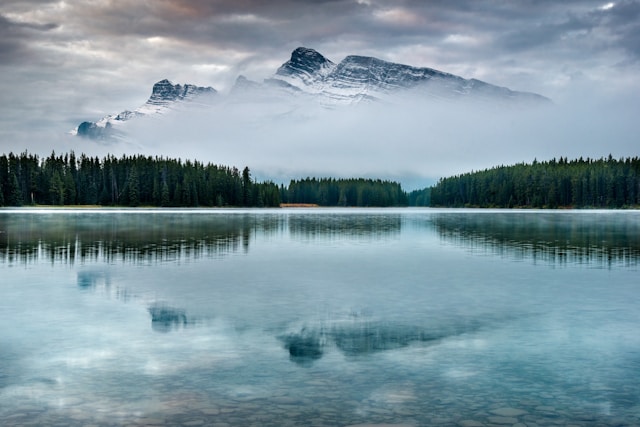
Lake Minnewanka is one of the best lakes by Banff if you want scenery without fighting the exact same crowds as Lake Louise. It is large, dramatic, and easy to reach from town. You can walk by the shore, take photos, picnic, or book a boat cruise in season.
Nearby Two Jack Lake and Johnson Lake are also worth adding if you have a car. They are easier, calmer stops and work well for sunrise, sunset, or a slower afternoon.
Vermilion Lakes
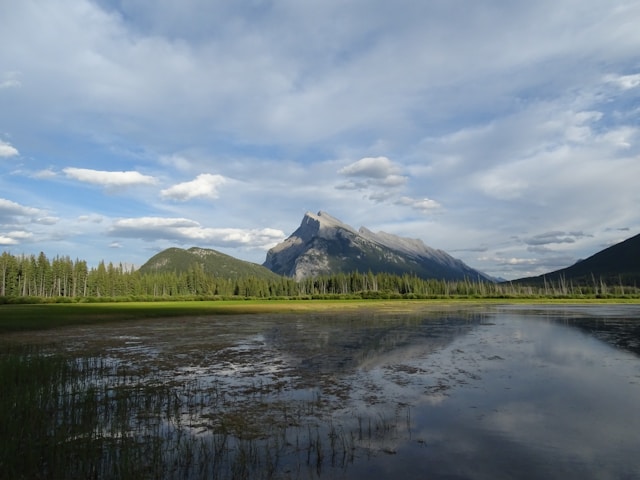
Vermilion Lakes are close to Banff town and perfect for low-effort views. They are especially good at sunrise or sunset because the water reflects the surrounding mountains when conditions are calm.
This is also a useful stop for photographers, couples, and travelers who do not want another shuttle or long drive. You can visit after dinner or before breakfast and still feel like you have added something special.
Peyto Lake
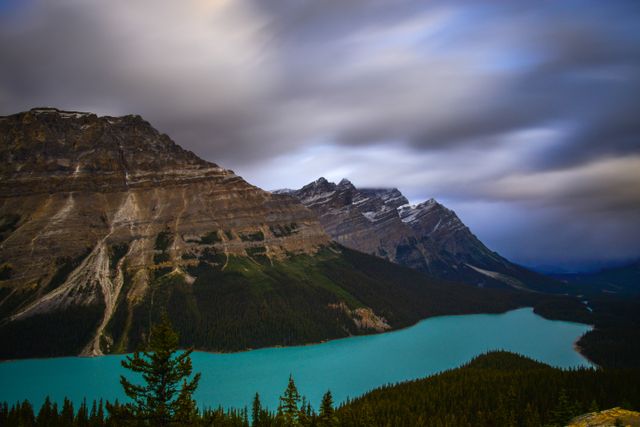
Peyto Lake sits along the Icefields Parkway, north of Lake Louise. Its viewpoint is one of the best short stops in the Canadian Rockies. The lake has a famous wolf-head shape and bright glacial color in summer.
Add Peyto Lake if you are driving toward Jasper, Bow Lake, or the Columbia Icefield area. It is not a Banff town stop, so do not squeeze it into a packed half-day unless you are already heading that direction.
Best Hikes in Banff
Easy hikes in Banff
The best hikes in Banff do not all need to be long or difficult. For easy options, start with Tunnel Mountain, Bow River Trail, Johnston Canyon Lower Falls, Lake Louise Lakeshore, and Fenland Trail.
Tunnel Mountain is one of the best short hikes near town. It gives you a proper viewpoint without a huge time commitment. The Lake Louise Lakeshore Trail is even easier and works for many fitness levels.
Parks Canada says Banff has more than 1,600 kilometres of maintained trails, with prime hiking season usually running from July through mid-September. It also notes that many passes can stay snow-bound until late June.
Moderate hikes in Banff
For moderate hikes, consider Lake Agnes Tea House, Plain of Six Glaciers, Sentinel Pass if conditions allow, or the longer routes around Moraine Lake and Lake Louise. These hikes give you stronger mountain views but require better footwear, water, layers, and time.
Lake Agnes Tea House is a classic because it starts from Lake Louise and climbs to a mountain tea house. Plain of Six Glaciers is longer and more open, with glacier views beyond Lake Louise.
If you hike in summer, start early. Trails are quieter, parking and shuttle timing is easier, and afternoon weather can change quickly.
Larch Valley and fall hiking
Larch Valley is famous in September when the larch trees turn gold. It is one of the most popular fall hikes in Banff, especially during peak larch color.
Because of its popularity and wildlife considerations, check current trail conditions and group rules before going. Some trails in Banff can have seasonal restrictions, warnings, or group-size requirements depending on wildlife activity.
Scenic Drives and Viewpoints
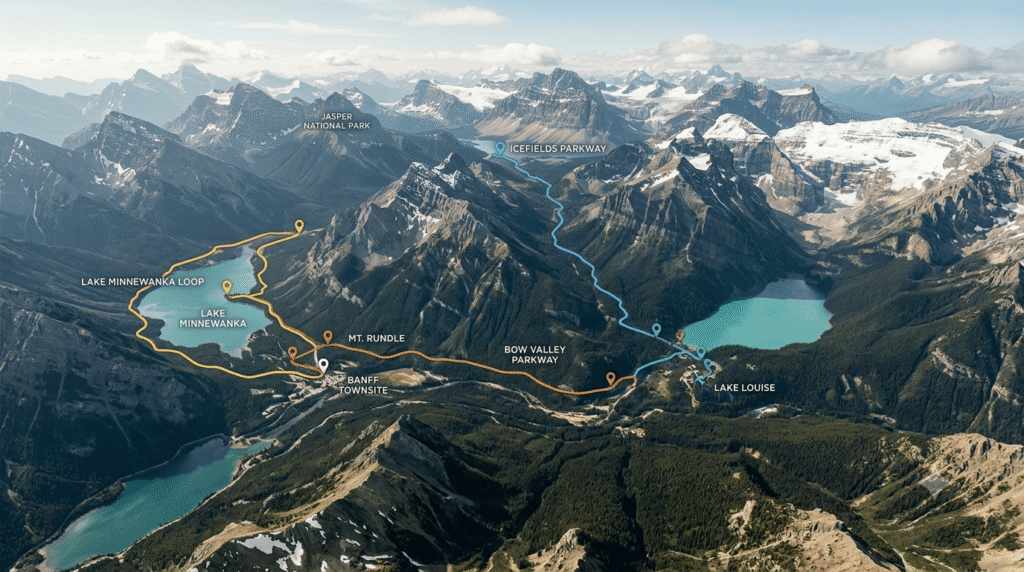
Bow Valley Parkway
Bow Valley Parkway is a slower scenic route between Banff and Lake Louise. It gives you access to Johnston Canyon and several viewpoints. It is also known for wildlife, but that does not mean you should stop carelessly or approach animals.
Parks Canada lists seasonal restrictions on parts of Bow Valley Parkway, including closures designed to give wildlife space during important periods. Check current restrictions before planning your route.
Icefields Parkway
The Icefields Parkway is one of the best scenic drives in Canada. From Lake Louise, it heads north toward Jasper with stops like Bow Lake, Peyto Lake, Mistaya Canyon, Saskatchewan River Crossing, and the Columbia Icefield area.
You can drive part of it as a day trip from Banff, but do not underestimate the time. Every viewpoint takes longer than expected. If you plan to continue from Banff to Jasper, treat it as a full travel day, not a quick transfer.
Lake Minnewanka Loop
Lake Minnewanka Loop is shorter and easier than the Icefields Parkway. It is a good half-day drive from Banff town. Stops can include Cascade Ponds, Two Jack Lake, Lake Minnewanka, and nearby viewpoints.
The western section of Minnewanka Loop Road can have seasonal closures, often to reduce human activity near wildlife corridors, so check current Parks Canada road information before you go.
Banff Town Things to Do
Walk Banff Avenue
Banff Avenue is the main street in town. It has shops, restaurants, cafés, galleries, gear stores, and mountain views at the end of the road. It is touristy, but still worth exploring.
Use Banff Avenue for easy evenings, coffee breaks, souvenir shopping, and dinner. It also works well on arrival day when you do not want to start with a hike.
Visit Cave and Basin National Historic Site
Cave and Basin is one of the best indoor or light-activity stops in Banff. It explains the hot springs history connected to the creation of Banff National Park. Add it if you want culture, history, or a rainy-day option.
This is also useful for families because it gives context beyond lakes and viewpoints.
Try Banff restaurants
Banff restaurants range from casual comfort food to higher-end dining. In peak months, book ahead for popular dinner spots. In winter, après-ski meals are part of the experience, especially after a day at Sunshine, Lake Louise Ski Resort, or Mt. Norquay.
For a simple food plan, aim for casual breakfast, packed trail snacks, and a reserved dinner. This helps avoid wasting prime daylight on long lunch stops.
Relax at Banff Upper Hot Springs
Banff Upper Hot Springs is a classic way to relax after hiking or skiing. It is near the Banff Gondola, so you can combine both in one half-day if the timing works.
Do not expect a hidden natural pool. It is a developed attraction, but it is still enjoyable if you want warm water, mountain air, and a low-effort activity.
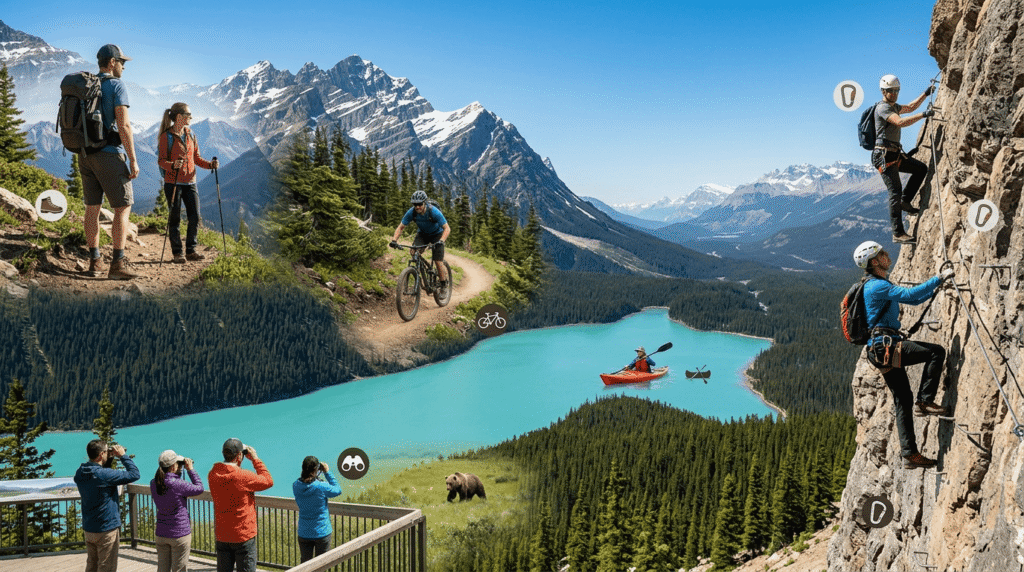
Adventure Activities in Banff
Via Ferrata Banff
Via ferrata Banff is a good option if you want a guided mountain adventure without needing to be a technical climber. A via ferrata route uses fixed ladders, cables, and climbing aids. You are attached to safety gear and guided through exposed terrain.
This is best for travelers who are comfortable with heights. It is not the right choice if you want a calm sightseeing day.
Canoeing and paddling
Canoeing is popular at Lake Louise, Moraine Lake, and Lake Minnewanka, depending on season, rules, and outfitter availability. It can be expensive at the most famous lakes, but the views are memorable.
Before bringing personal watercraft, check current Parks Canada water rules. Regulations can change due to aquatic invasive species management and local restrictions.
Biking in Banff
Biking is a strong option in Banff, especially in warmer months. Parks Canada says the park has more than 190 km of mountain bike trails, plus road riding options, and that the biking season typically extends from May to October.
The Banff Legacy Trail is a popular paved option between Canmore and Banff. For mountain biking, choose routes that match your ability and check trail status first.
Things to Do in Banff in Winter
Skiing in Banff
Skiing in Banff is one of the top reasons to visit in winter. The main ski areas are Banff Sunshine, Lake Louise Ski Resort, and Mt. Norquay. Together, they give visitors a mix of big-mountain terrain, scenic runs, beginner areas, and family options.
December through March is the core winter travel period. March can be especially appealing because the days are longer and the temperatures are often less harsh than January.
Johnston Canyon ice walk
Johnston Canyon is popular year-round, but winter gives it a different look. Frozen waterfalls and icy canyon walls make it one of the best cold-season activities near Banff town.
Wear traction. The path can be polished and slippery. If you are unsure about winter conditions, a guided ice walk is safer and easier.
Lake Louise in winter
Lake Louise in winter is not the same as summer, but it is still beautiful. The lake often freezes, and the snow-covered mountains create a classic winter scene. Skating may be possible when the lake is prepared and conditions are safe.
Visit in warm layers and expect cold wind. Winter photos look peaceful, but the weather can be sharp.
Northern lights Banff
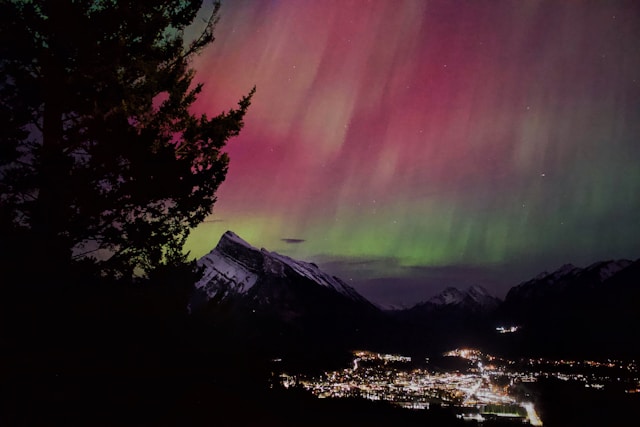
Northern lights Banff searches are popular, but expectations should be realistic. You can sometimes see the aurora borealis in Banff Canada during strong solar activity, especially away from town lights. However, Banff is not as reliable as northern destinations such as Yellowknife or Churchill.
For the best chance, watch aurora forecasts, avoid full-moon nights when possible, and look for clear skies away from bright lights.
Banff Itinerary Ideas
One day in Banff
A one-day Banff itinerary should stay focused. Start with Lake Louise if you can arrange early access or a shuttle. Then return toward Banff town for Bow Falls, Surprise Corner, and Banff Avenue. If the weather is clear, add Banff Gondola.
Do not try to include Lake Louise, Moraine Lake, Johnston Canyon, Icefields Parkway, and Banff town in one day. You will spend more time moving than enjoying.
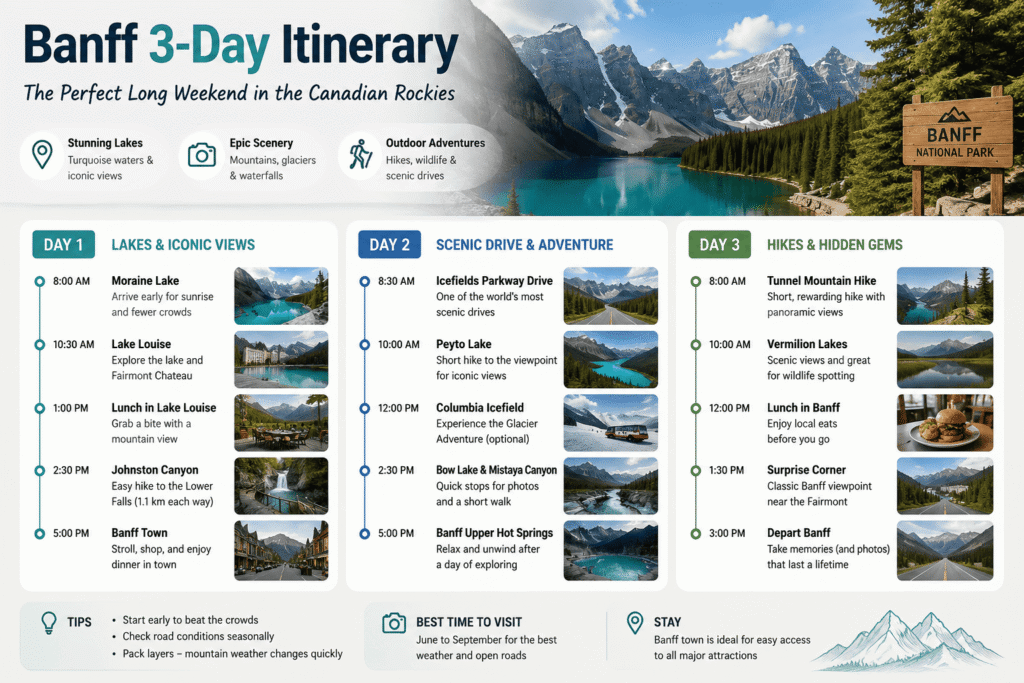
Three days in Banff
A better first trip is three days.
Day one: Banff town, Bow Falls, Surprise Corner, Banff Gondola, and Banff Avenue.
Day two: Lake Louise and Moraine Lake by shuttle, with a lakeshore walk or Lake Agnes hike.
Day three: Johnston Canyon, Bow Valley Parkway, Lake Minnewanka, Two Jack Lake, and Vermilion Lakes sunset.
This structure gives you famous places, easy viewpoints, and some breathing room.
Five days in Banff
With five days, add one bigger hike and one scenic drive. You could include Plain of Six Glaciers, Larch Valley in season, Peyto Lake, Bow Lake, or part of the Icefields Parkway.
Use the Boarding Gate Trip Itinerary Builder to turn these ideas into timed days. Then use the Packing List Generator to build a season-specific checklist for Banff’s changing mountain weather.
Practical Banff Planning Tips
Getting from YYC airport to Banff
Most visitors fly into Calgary International Airport, often searched as YYC airport to Banff. From Calgary, you can rent a car, take a shuttle, or book private transfer service. A car gives more freedom, but it also creates parking challenges at popular areas.
If your route to Calgary includes a connection, check your layover before booking. The Flight Connection Risk Calculator can help you decide whether your connection is too tight, especially if you are checking bags or entering Canada from abroad.
Book shuttles early
For Lake Louise and Moraine Lake, shuttle planning is one of the most important parts of the trip. Parks Canada lists Lake Louise Lakeshore shuttle service from May 15 to October 12, 2026, and Moraine Lake shuttle service from June 1 to October 12, 2026, weather permitting.
If these lakes are a priority, plan this before restaurants, minor hikes, or town activities.
Pack for weather changes
Banff weather can change quickly. Even in summer, evenings can feel cool because Banff sits above 1,400 metres. Banff & Lake Louise Tourism notes that July is the warmest month, with average highs around 22°C, but evenings can cool significantly.
Bring layers, rain protection, comfortable shoes, sun protection, and water. In winter, bring proper cold-weather gear rather than relying on casual city clothing.
Respect wildlife
Wildlife viewing is exciting, but Banff is not a petting zoo. Parks Canada says to stay at least 30 metres from deer, elk, sheep, and moose, and at least 100 metres from bears, wolves, cougars, and coyotes.
Never feed wildlife. Stay in your vehicle when viewing animals from the road, use a zoom lens, and move on quickly.
Check travel insurance and activity coverage
If you plan to ski, hike, climb, bike, or join guided adventure activities, review your coverage before the trip. Some policies treat winter sports, backcountry hiking, or climbing differently. The Travel Insurance Coverage Checklist can help you review the basics before you buy or rely on a policy.
Common Mistakes to Avoid
Trying to drive to Moraine Lake
This is the biggest Banff planning mistake. You cannot drive a personal vehicle to Moraine Lake. Plan shuttle, transit, licensed tour, or lodge access.
Planning too much in one day
Banff looks small on a map, but parking, shuttles, trail time, photos, meals, and weather slow everything down. A simple day usually feels better than an overloaded one.
Ignoring seasonal access
Some lakes, roads, trails, and viewpoints change by season. A May trip is not the same as a July trip. A November trip is not the same as a February ski trip. For seasonal planning, read this related guide: Best Time to Visit Banff Canada.
Getting too close to wildlife
If your presence changes an animal’s behavior, you are too close. Keep distance, carry bear spray on trails, and follow posted warnings.
Wearing the wrong shoes
Many Banff activities involve gravel paths, wet trails, snow, mud, or uneven ground. Comfortable, grippy footwear matters even if you are not doing serious hikes.
Conclusion
Banff is not just one viewpoint or one lake. The best trip combines famous places like Lake Louise and Moraine Lake with town time, scenic drives, short hikes, and season-aware planning. If you are choosing things to do in Banff Canada for your first visit, start with the classic lakes and viewpoints, then add one or two activities that match your style.
For summer, focus on lakes, hikes, and scenic drives. For winter, build your trip around skiing, snow, ice walks, and warm indoor breaks. Before you book, choose your month, check shuttle rules, and use the itinerary and packing tools to turn your ideas into a realistic plan.
Frequently Asked Questions
What are the best things to do in Banff Canada for first timers?
The best things to do in Banff Canada for first timers are Lake Louise, Moraine Lake by shuttle, Banff Gondola, Johnston Canyon, Bow Falls, Surprise Corner, Lake Minnewanka, Vermilion Lakes, and Banff Avenue. If you have more time, add a hike and a scenic drive.
How many days do you need in Banff?
Three days is enough for a strong first visit. You can see Banff town, Lake Louise, Moraine Lake, Johnston Canyon, Lake Minnewanka, and a few viewpoints. Five days is better if you want hikes, slower mornings, or a partial Icefields Parkway drive.
Can you drive to Moraine Lake?
No. Moraine Lake Road is closed to personal vehicles year-round. Visitors need an approved shuttle, transit option, licensed commercial operator, or lodge access. Plan this before you arrive.
Is Lake Louise or Moraine Lake better?
Lake Louise is easier to visit year-round and has more services nearby. Moraine Lake feels more dramatic and remote, but access is more restricted. If you can plan the shuttle, try to see both.
What is the best hike in Banff?
For beginners, Tunnel Mountain and Johnston Canyon are good choices. For classic Lake Louise scenery, Lake Agnes Tea House and Plain of Six Glaciers are popular. For fall color, Larch Valley is one of the best seasonal hikes.
Is Banff worth visiting in winter?
Yes. Banff winter is excellent for skiing, snow views, ice walks, hot springs, and winter photography. It is not the best season for turquoise lakes, but it gives you a completely different mountain experience.
Can you see northern lights in Banff?
Yes, northern lights are possible in Banff, but they are not guaranteed. You need clear skies, dark conditions, and strong aurora activity. Banff is less reliable than destinations farther north.
What should I not miss in Banff?
Do not miss Lake Louise, Moraine Lake if you can arrange access, Banff Gondola or Sulphur Mountain, Johnston Canyon, Lake Minnewanka, and at least one quiet sunrise or sunset viewpoint.
Do you need a car in Banff?
A car helps with flexibility, especially for scenic drives. However, it can be a burden at Lake Louise and Moraine Lake because parking and access are limited. Many visitors use a mix of shuttle services, walking, and selected driving days.
What is the best month for things to do in Banff Canada?
July and August offer the widest access for lakes, hikes, and scenic drives, but they are also the busiest. June and September can be better for many travelers because they balance access with fewer peak-season crowds.