The Kerala backwaters are a network of lakes, lagoons, and canals that run for more than 900 kilometres behind the Arabian Sea coast of southern India. Gliding through them on a converted rice barge, past paddy fields that sit below sea level and villages where daily life happens by the water, is one of the signature experiences of India. This guide explains what the backwaters are, where to go, the difference between a houseboat and a canoe trip, how to visit without an expensive package, and the best time to come.
What the backwaters are
The backwaters are a labyrinth of brackish waterways formed where rivers from the Western Ghats meet the sea, fed by more than 30 rivers and linked by hundreds of canals. At their centre is Vembanad, the longest lake in India. The region is famous for its kettuvallam, traditional wooden barges once used to carry rice and spices, now converted into houseboats with bedrooms, a deck, and a cook on board. More than a thousand of them work the waterways today.
Where to go
The backwaters stretch along much of the Kerala coast, and the base you choose shapes the trip.
Alleppey (Alappuzha) is the main hub and the easiest place to arrange a houseboat, sometimes called the Venice of the East for its canals. It is the busiest option, which means the most choice but also the most boats on the water.
Kumarakom, on the eastern side of Vembanad Lake, is quieter and greener, with a well known bird sanctuary and a more resort led feel. It suits travellers who want calm over bustle.
Kollam (Quilon) and its beautiful Ashtamudi Lake form the southern gateway and see far fewer houseboats, so the water feels wilder. Kochi (Cochin), with its old harbour and Chinese fishing nets, is the usual arrival city and a good place to start or end.
Houseboat or canoe?
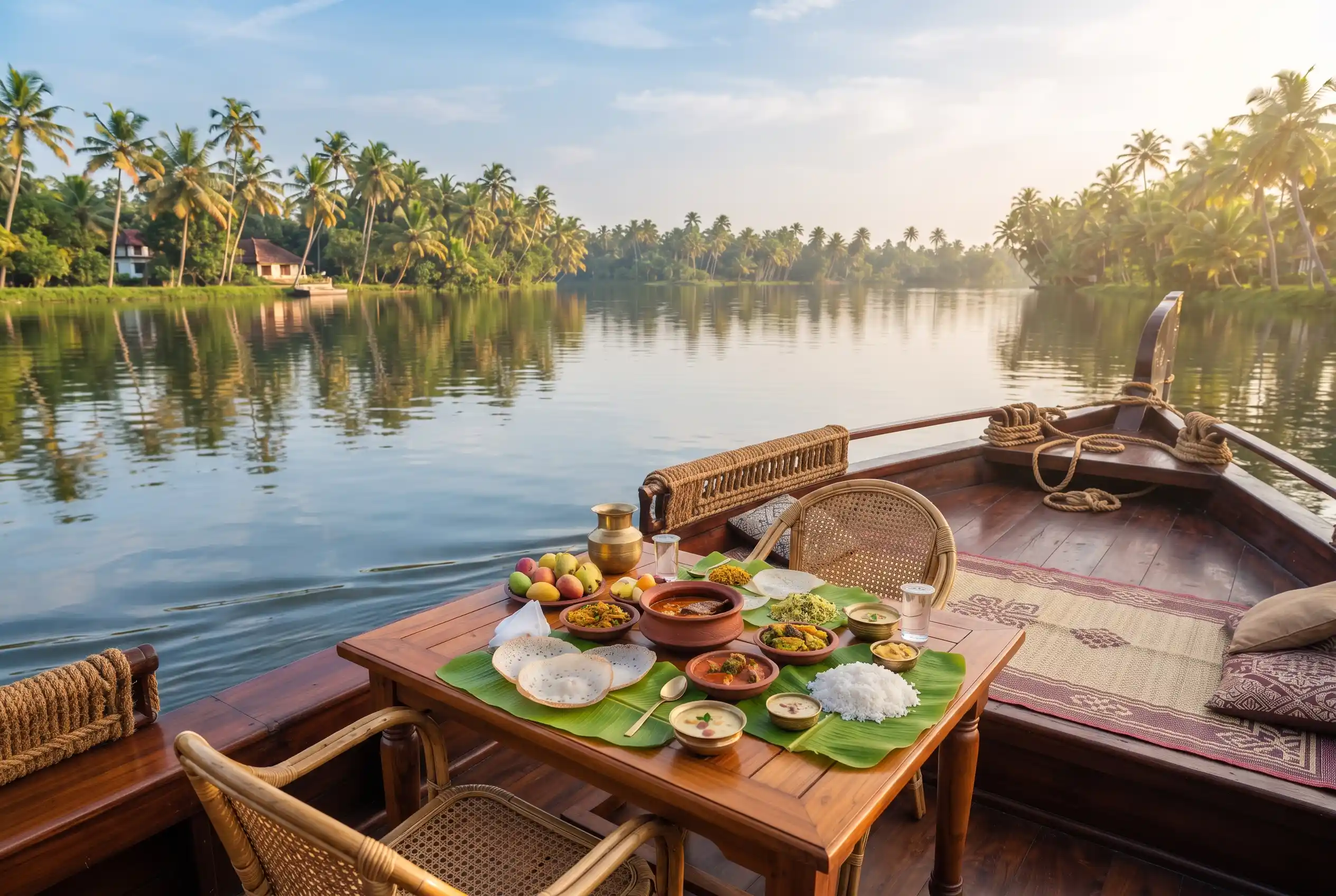
The classic trip is an overnight houseboat, where you board in the early afternoon, cruise the wide channels and lakes, moor for the night, and eat freshly cooked Kerala meals on deck. It is comfortable and scenic, but houseboats are large and cannot enter the narrow canals where village life actually happens.
For that, take a shikara or a small canoe trip. These low, quiet boats slip into the narrow backwaters between homes, paddy fields, and coconut groves, and many travellers find them the more memorable half of a visit. The ideal plan combines both: a canoe trip through the small canals and an overnight houseboat on the open water. A cheaper alternative to a private boat is the public ferry between Alleppey and Kollam, a slow eight hour cruise through the heart of the backwaters for a few rupees.
How to visit and what to expect
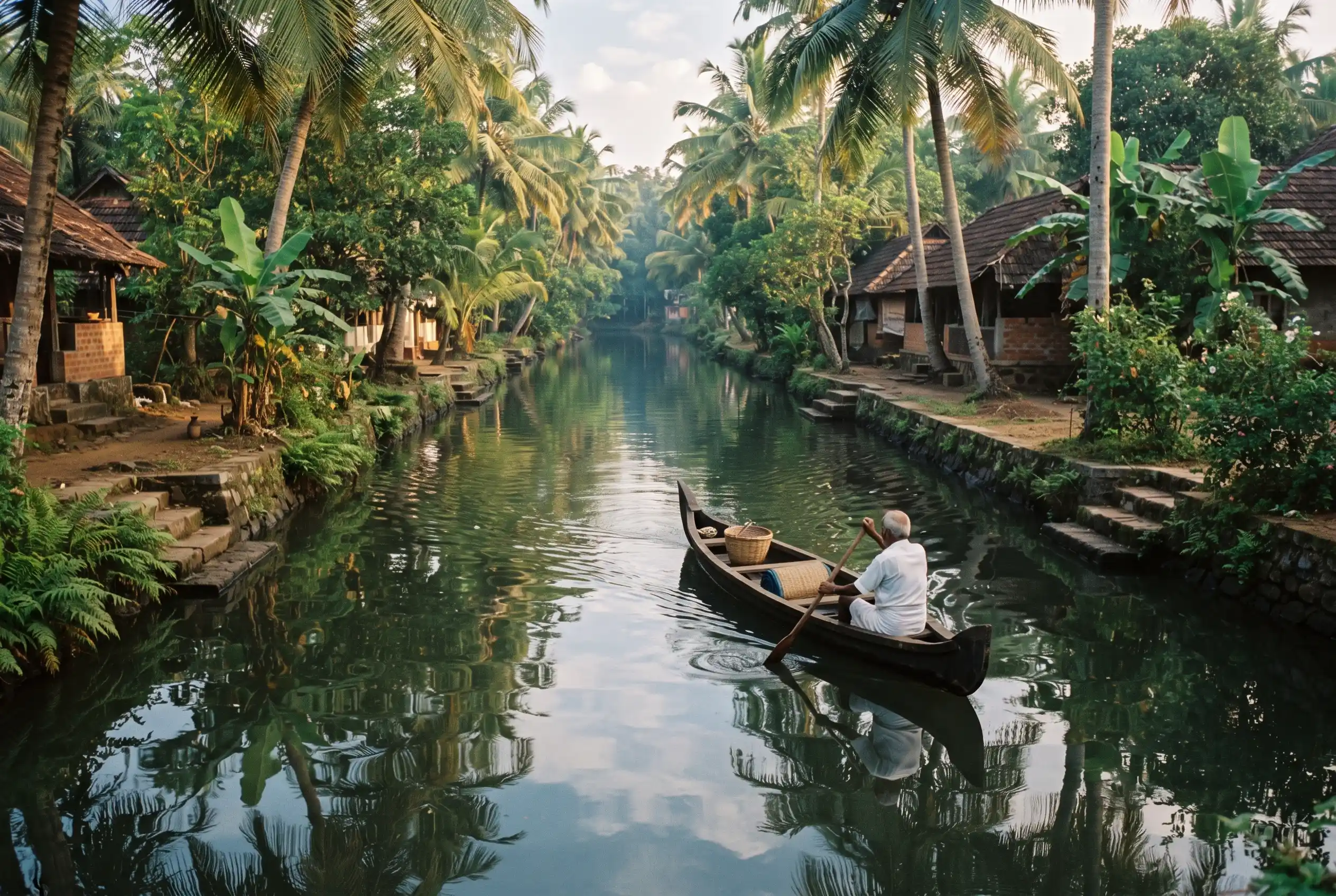
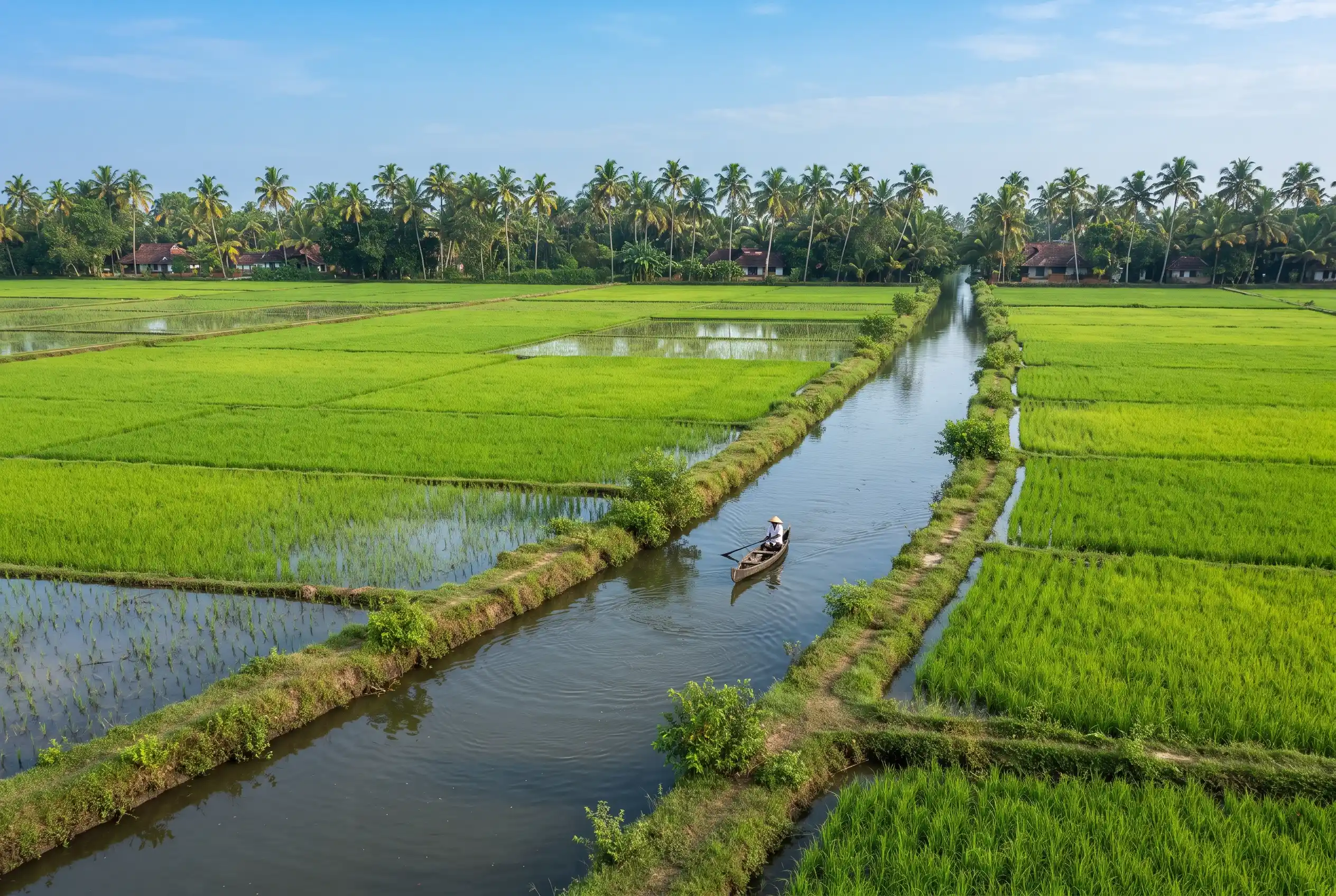
You do not need an all inclusive tour. Most travellers reach Alleppey or Kollam by train or bus, then arrange a houseboat on arrival or a day or two ahead. Prices vary widely with the season and the standard of the boat, so it pays to see the boat before booking where you can. Days on the water are slow by design: expect to read, watch fishermen and birds, and eat very well, rather than tick off sights. Kuttanad, the area around Alleppey, is one of the few places on earth where farming happens below sea level, and the dykes and paddy fields are part of the view.
Pack light, breathable clothes and insect repellent for the evenings. Stick to bottled or filtered water, which our tap water safety guide covers for India, and use our travel budget calculator to plan the wider cost of a Kerala trip around the houseboat.
Best time to visit
The best months are November to February, when the weather is dry, warm, and comfortable. March to May is hot and humid. The southwest monsoon from June to September brings heavy rain, but it also turns the landscape a deep green and is the time for Ayurvedic treatments, which Kerala is known for. The famous Nehru Trophy snake boat race on Punnamada Lake takes place in August if you want to time a visit around it. If India is part of a longer trip, our guides to the Taj Mahal and the ashrams of Rishikesh cover the north. For official information, see Kerala Tourism.
Frequently asked questions
What are the Kerala backwaters?
They are a 900 kilometre network of lakes, lagoons, and canals along the Arabian Sea coast of Kerala in southern India, centred on Vembanad Lake. They are explored by houseboat and canoe, and are known for paddy fields, coconut groves, and slow village life by the water.
Which is better, Alleppey or Kumarakom?
Alleppey is the main houseboat hub with the most choice and the most boats. Kumarakom is quieter and greener with a bird sanctuary and a resort feel. Choose Alleppey for convenience and variety, Kumarakom for calm. Kollam is the least crowded of all.
Is an overnight houseboat worth it?
Yes, for the comfort and the meals, but houseboats cannot enter the narrow canals. Pair the overnight boat with a shikara or canoe trip through the small waterways, where village life is closest, for the best of both.
What is the best time to visit the Kerala backwaters?
November to February is best, with dry, warm weather. March to May is hot and humid, and June to September brings the monsoon, which is green and good for Ayurveda but very wet. The Nehru Trophy snake boat race is in August.
Do you need a tour to visit the backwaters?
No. Reach Alleppey or Kollam by train or bus and arrange a houseboat or canoe trip locally. The public ferry between Alleppey and Kollam is a cheap, slow cruise through the backwaters that needs no tour at all.