Bolivia Popular Food: Traditional Dishes to Try in 2026
From saltenas to pique macho — the dishes, street food, drinks, and eating tips you need for your Bolivia trip.
arrow_back Back to Bolivia GuideBolivia Popular Food: The Dishes You Must Try
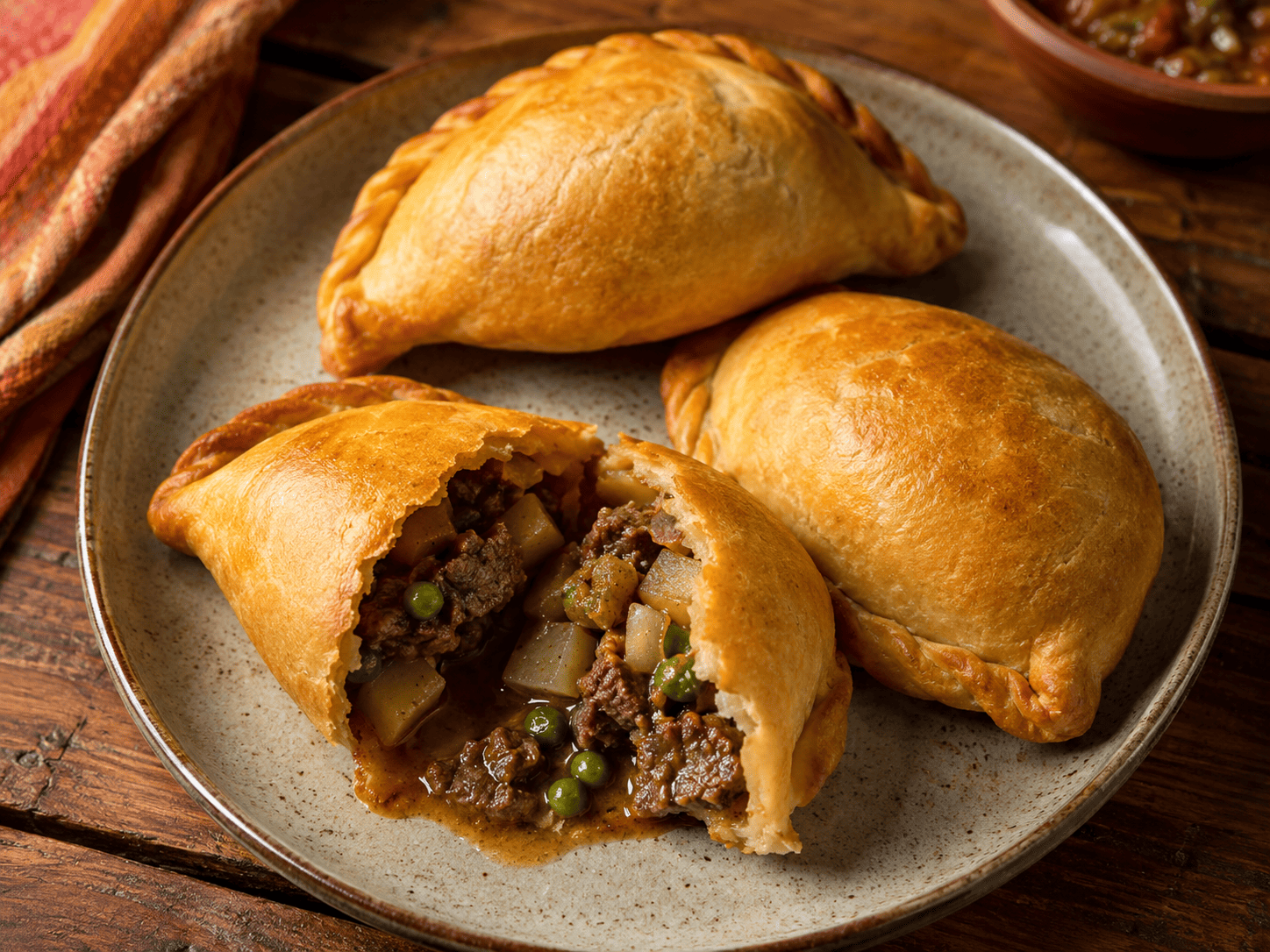
Saltenas
Baked pastries filled with a sweet-savoury stew of chicken or beef, potatoes, peas, olives, and a slightly spicy broth sealed inside a crimped dough shell. Eaten mid-morning between 9 and 11 AM from dedicated saltenerias in every city. The challenge is eating one without spilling the broth — locals tilt the pastry and bite from the top.
Where to find them: Everywhere. La Paz and Sucre have the strongest traditions.
Pique Macho
A shareable platter of chopped beef, sausage, boiled eggs, tomatoes, onions, locoto peppers, and french fries. It originated in Cochabamba and is served on a large plate meant for two or more. The name roughly translates to “manly spice” — it packs heat from fresh locoto peppers.
Where to find it: Cochabamba is the home city, but restaurants across Bolivia serve it. Best with a cold beer.
Silpancho
A Cochabamba speciality: thin, breaded, pounded beef cutlet served over rice and potatoes, topped with a fried egg, and garnished with diced tomato, onion, and locoto. Comfort food at its most direct.
Where to find it: Cochabamba and the central valleys. Market stalls serve it for lunch at very low prices.
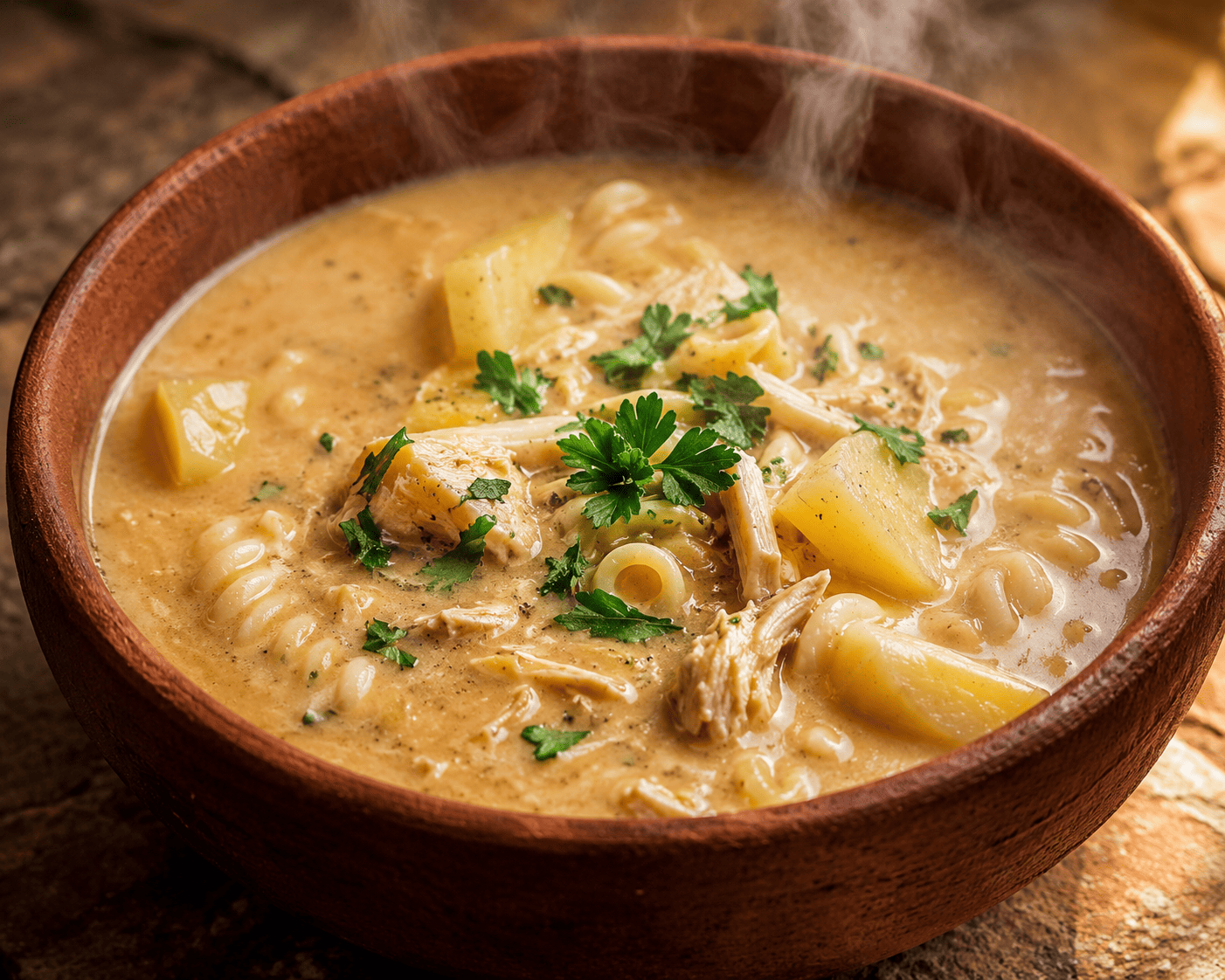
Sopa de Mani
Peanut soup — creamy, made with ground peanuts, beef or chicken, potatoes, pasta, and vegetables. The peanut base gives it a rich, slightly sweet flavour. A staple in La Paz and Cochabamba, often served as the first course of an almuerzo (set lunch).
Fricase
Slow-cooked pork stew in a spicy yellow chilli sauce, served with chuno (freeze-dried potato) and hominy corn. Traditionally eaten early morning — fricase stalls in La Paz open at 5 AM and are packed by 7 AM.
Where to find it: La Paz, particularly in the Rodriguez Market area.
Anticuchos
Skewered, grilled beef heart served with boiled potatoes and spicy peanut sauce. Street vendors set up grills in the evening and the smell draws crowds. Marinated in cumin, vinegar, and garlic.
Where to find it: Evening street stalls in La Paz, Cochabamba, and Oruro.
Cunape
Small cheese bread from the eastern lowlands around Santa Cruz. Made with yuca flour and fresh cheese — warm, chewy, naturally gluten-free. Best eaten fresh from the oven.
Where to find it: Santa Cruz and lowland towns. Increasingly available in La Paz bakeries.
Dish Summary
| Dish | Region | Meal Time | Key Ingredients |
|---|---|---|---|
| Saltenas | Nationwide | Mid-morning | Meat, potatoes, broth in pastry |
| Pique Macho | Cochabamba | Dinner | Beef, sausage, fries, locoto |
| Silpancho | Cochabamba | Lunch | Breaded beef, rice, egg, salad |
| Sopa de Mani | La Paz | Lunch | Peanuts, meat, potatoes, pasta |
| Fricase | La Paz | Early morning | Pork, chilli sauce, chuno |
| Anticuchos | Nationwide | Evening | Grilled beef heart, peanut sauce |
| Cunape | Santa Cruz | Breakfast | Yuca flour, cheese |
Street Food and Market Eats
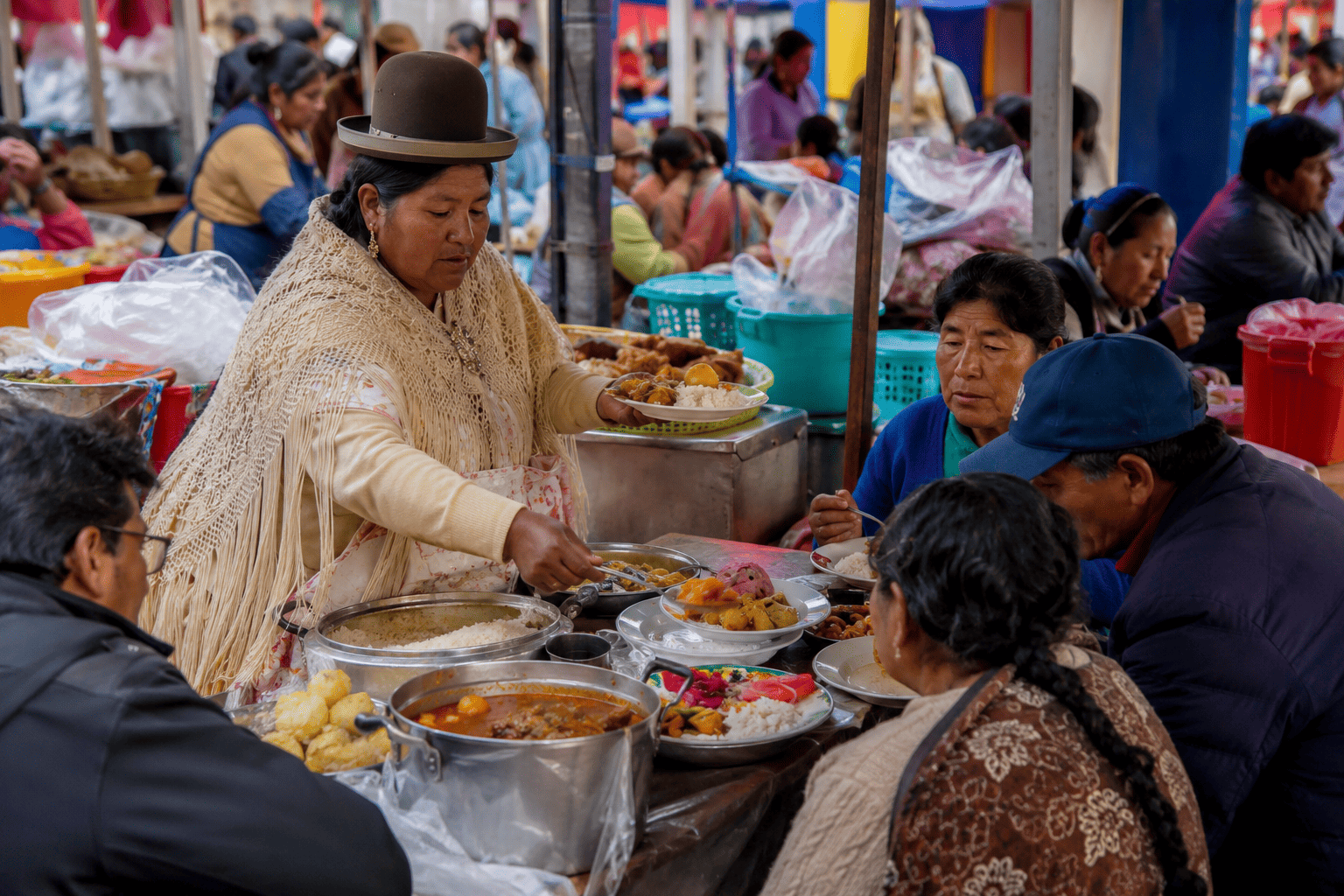
Markets are the heart of Bolivian food culture. Every town has a mercado central with freshly cooked meals for $1–2.
The Almuerzo
The set lunch is the best value meal in Bolivia. For 10–15 bolivianos ($1.50–2), you get a soup course, a main plate with rice, meat, potatoes, salad, and a glass of fresh juice.
Best Street Food
- Api con pastel — warm, thick corn drink (purple or white) with a fried cheese pastry. Classic La Paz breakfast.
- Tucumanas — deep-fried empanadas filled with chicken or beef, common in Sucre and Cochabamba.
- Choripan — grilled chorizo in a bread roll with llajwa sauce. Available everywhere after dark.
Traditional Bolivian Drinks
Api
Thick, warm drink from ground purple or white corn, sweetened and spiced with cinnamon and cloves. A highland staple during cooler months.
Singani
Bolivia’s national spirit — clear grape brandy distilled from Muscat of Alexandria grapes in the Tarija valley. The base of the chuflay cocktail (singani, ginger ale, lime). Tarija bodegas offer tours and tastings.
Mocochinchi
Cold drink from dried peaches rehydrated in cinnamon-sweetened water. Sold by street vendors year-round — one of the most refreshing options on a hot afternoon.
Where to Eat: Tips for Travellers
Eat at markets for the best value. Rodriguez Market (La Paz), Mercado 25 de Mayo (Sucre), and Mercado La Cancha (Cochabamba) are all excellent.
Lunch is the main meal. Largest meal between noon and 2 PM — when markets are busiest and set-lunch deals are available.
Bring your own water. Tap water is not safe to drink. Buy bottled or filtered water.
Dietary restrictions. Traditional Bolivia popular food is meat-centred, but vegetarian options are growing in La Paz and Cochabamba. Sopa de mani can be made without meat.
Frequently Asked Questions
What is the national dish of Bolivia?
Bolivia has no single official national dish, but saltenas are the most iconic food — baked pastries eaten as a mid-morning ritual between 9 and 11 AM across every city and town.
Is Bolivian food spicy?
Most Bolivia popular food is mildly seasoned. Heat comes from llajwa, a condiment served on the side. You control how much you add.
Is it safe to eat street food in Bolivia?
Generally safe — choose stalls with high turnover, eat freshly cooked food, and avoid raw salads from vendors. Market meals are what locals eat daily.
What do Bolivians eat for breakfast?
Marraquetas (bread rolls) with cheese or jam, coffee, and sometimes api. Saltenas are the mid-morning snack around 10 AM. In the lowlands, cunape and coffee.
Are there vegetarian options?
Traditional cuisine is meat-heavy, but sopa de mani can be meatless, markets make rice-and-vegetable plates on request, and cities have growing vegetarian restaurant scenes.