Costa Rica packs volcanoes, cloud forests, two coastlines, and some of the most biodiverse rainforest on the planet into a country smaller than West Virginia. The catch is that the roads are slow, so the best places to visit are less about ticking off a long list and more about choosing the right two or three regions for your trip. Here are the eight areas worth your time, what each is best for, and how to string them together.
The best places in Costa Rica at a glance
| Place | Region | Best for | Days |
|---|---|---|---|
| La Fortuna / Arenal | North Central | Volcano, hot springs, adventure | 2-3 |
| Monteverde | Central highlands | Cloud forest, zip-lining, wildlife | 2 |
| Manuel Antonio | Central Pacific | Beach plus rainforest, easy wildlife | 2 |
| Guanacaste | North Pacific | Sunny beaches, surf, resorts | 3-4 |
| Osa / Corcovado | South Pacific | Remote, wildest rainforest | 3-4 |
| Tortuguero | North Caribbean | Jungle canals, nesting turtles | 2 |
| Puerto Viejo | South Caribbean | Afro-Caribbean beaches, low-key | 2-3 |
| San José | Central Valley | Gateway, culture, day-trip volcanoes | 1-2 |
When you go matters as much as where – each region has its own weather window, so check our guide to the best time to visit Costa Rica before you lock in the route.
La Fortuna and Arenal Volcano
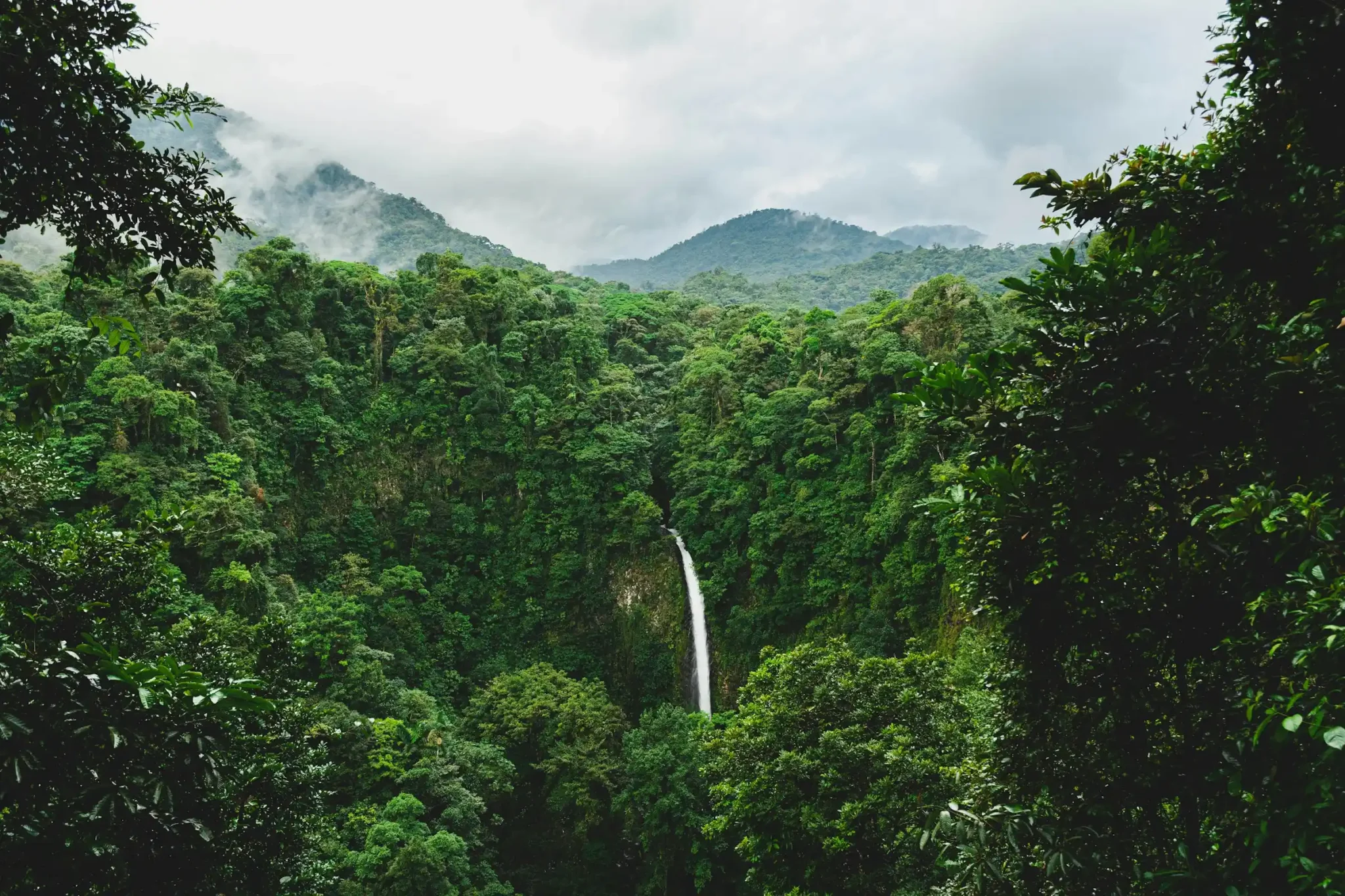
If you visit one inland area, make it La Fortuna. The near-perfect cone of Arenal Volcano towers over the town, and the surrounding area is Costa Rica’s adventure capital. This is the easiest place to combine big scenery with things to do.
- La Fortuna Waterfall – a 70-metre cascade at the bottom of 500 steps, with a swimmable pool.
- Hot springs – volcano-heated rivers and resort pools, from free public spots to luxury complexes.
- Hanging bridges – suspended forest walkways with a chance of sloths, toucans, and howler monkeys.
- Arenal Volcano National Park – lava-field trails with the cone as a backdrop.
Monteverde Cloud Forest
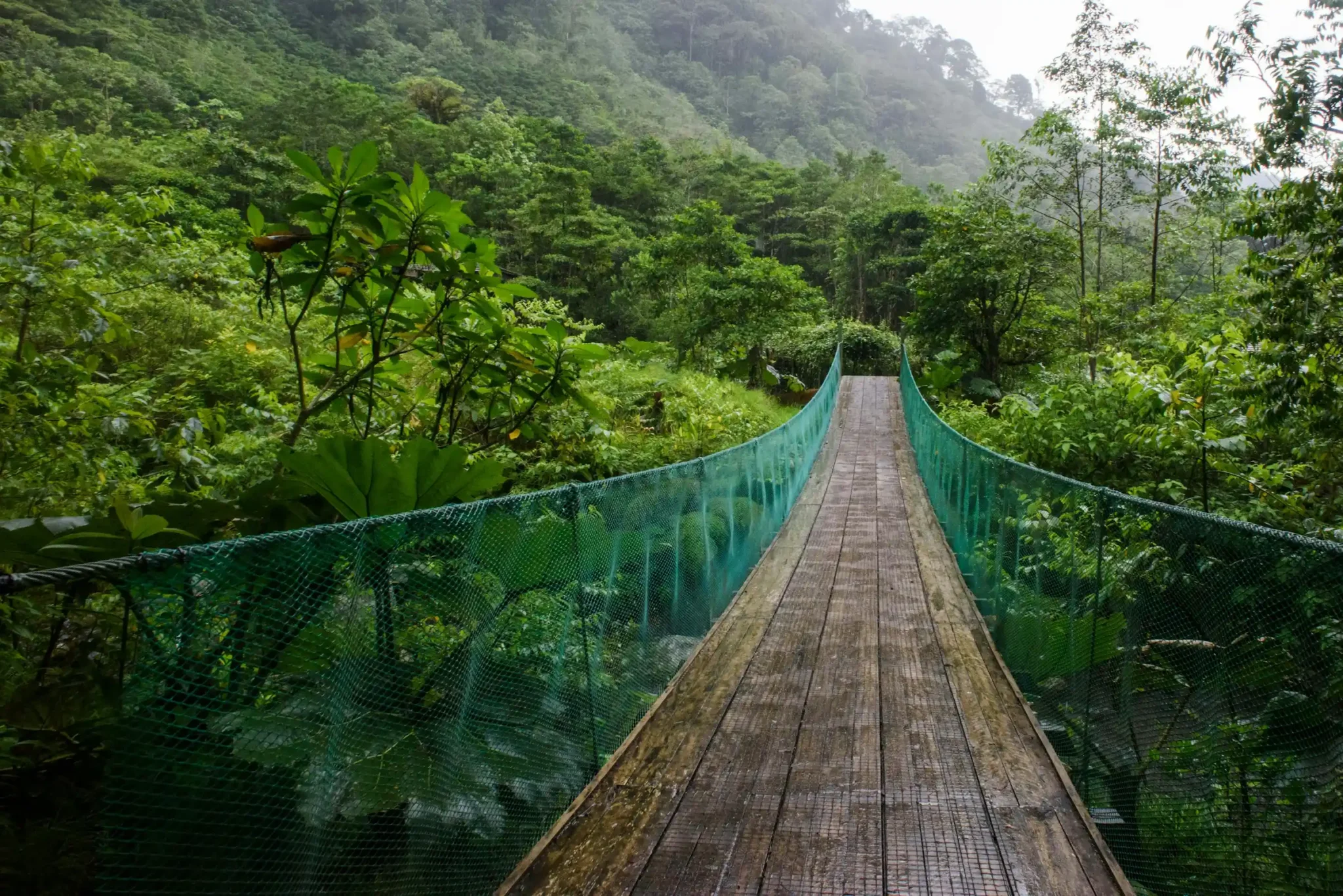
Three hours from La Fortuna (or a scenic jeep-boat-jeep transfer across Lake Arenal), Monteverde is a different world – cool, misty, and draped in moss. The cloud forest sits high enough to catch constant cloud, creating one of the richest ecosystems in the country.
It is the best place in Costa Rica for zip-lining, with lines strung across forest canyons, and for walking hanging bridges through the canopy. Birders come for the resplendent quetzal, easiest to spot from February to May. Go for the wildlife and the adrenaline; stay two nights to do both without rushing.
Manuel Antonio National Park
Costa Rica’s most popular national park, and the easiest place to see wildlife. A short, well-maintained trail network leads through rainforest to white-sand beaches, and you are almost guaranteed sloths, white-faced capuchins, and iguanas along the way – often within the first hour.
Good to know: Manuel Antonio is compact and gets busy, so arrive at opening time and hire a park guide with a spotting scope – they find the small, camouflaged animals you would walk straight past. The park closes one day a week, so check before you go.
Guanacaste and the North Pacific beaches
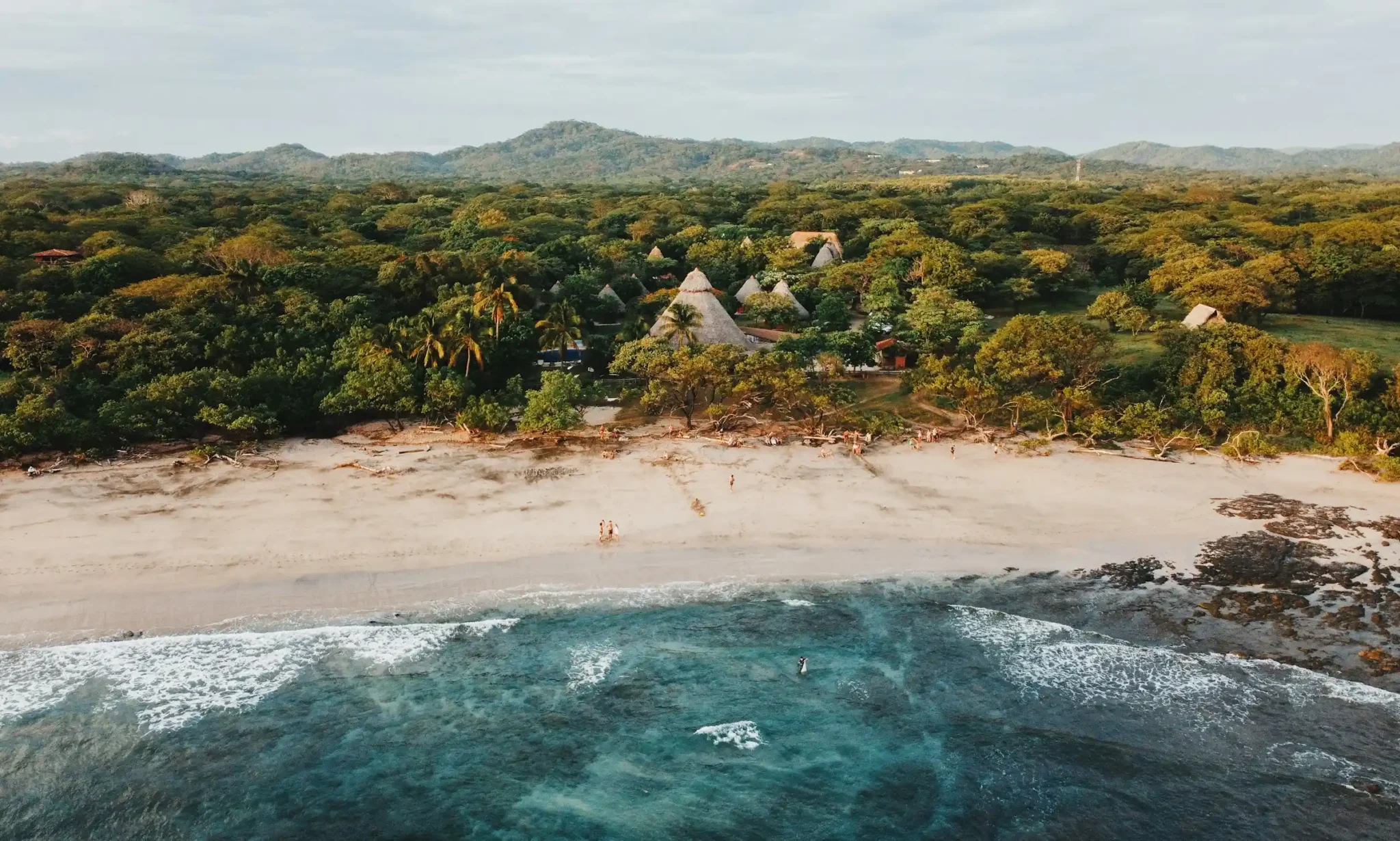
The north Pacific is the country’s beach belt – the driest, sunniest region, and the reason many first-timers come. It is also where most of the direct international flights land, at Liberia airport.
- Tamarindo – the liveliest beach town, good for surf lessons, nightlife, and easy day trips.
- Nosara and Santa Teresa – surf-and-yoga towns on the Nicoya Peninsula, more laid-back and boho.
- Playa Conchal and Playa Flamingo – the postcard beaches, with the clearest water for swimming.
Guanacaste is the most resort-heavy part of Costa Rica, which makes it a natural fit for families and first-timers who want a comfortable base. Beach lovers looking further afield may also like our ranking of the best beaches in Zanzibar.
The Osa Peninsula and Corcovado
National Geographic once called the Osa Peninsula “the most biologically intense place on Earth,” and it earns the billing. Corcovado National Park, on the peninsula’s tip, holds the largest tract of lowland rainforest in Central America – home to tapirs, scarlet macaws, all four Costa Rican monkey species, and one of the country’s few remaining jaguar populations.
This is not a casual stop. Getting here takes effort, lodges are remote and often off-grid, and Corcovado requires a certified guide. But for travellers who want the wildest, least-developed Costa Rica, nowhere else compares. Budget three to four days.
Tortuguero and the Caribbean coast
The Caribbean side feels like a different country – Afro-Caribbean culture, reggae, and a slower pace. Two areas stand out:
- Tortuguero – reachable only by boat or small plane, a maze of jungle canals often called “Costa Rica’s Amazon.” It is one of the most important green-turtle nesting sites in the world, busiest from July to October.
- Puerto Viejo – a laid-back beach town with the country’s best Caribbean food, coral-sand beaches, and nearby Cahuita National Park for snorkelling and sloths.
San José and the Central Valley
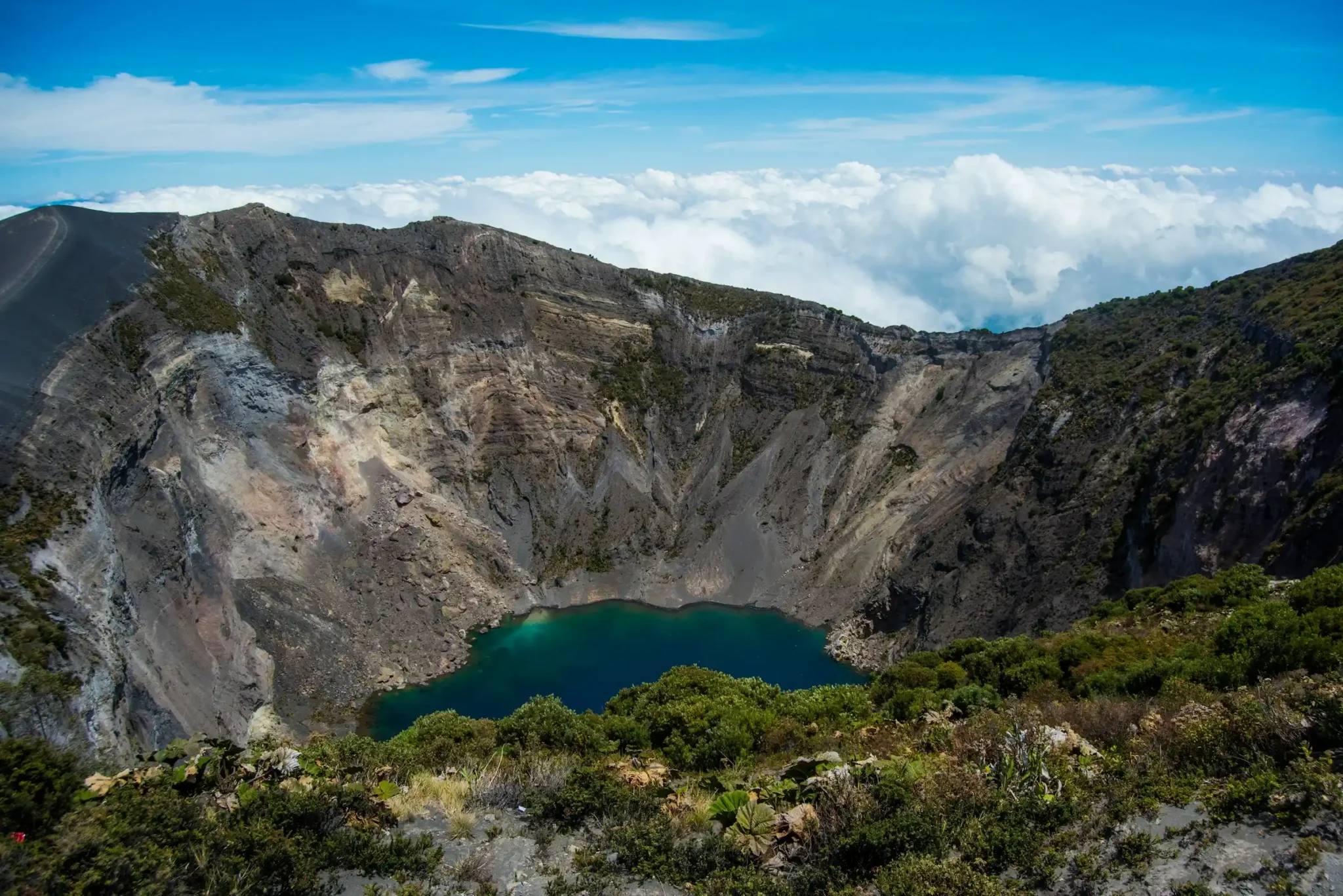
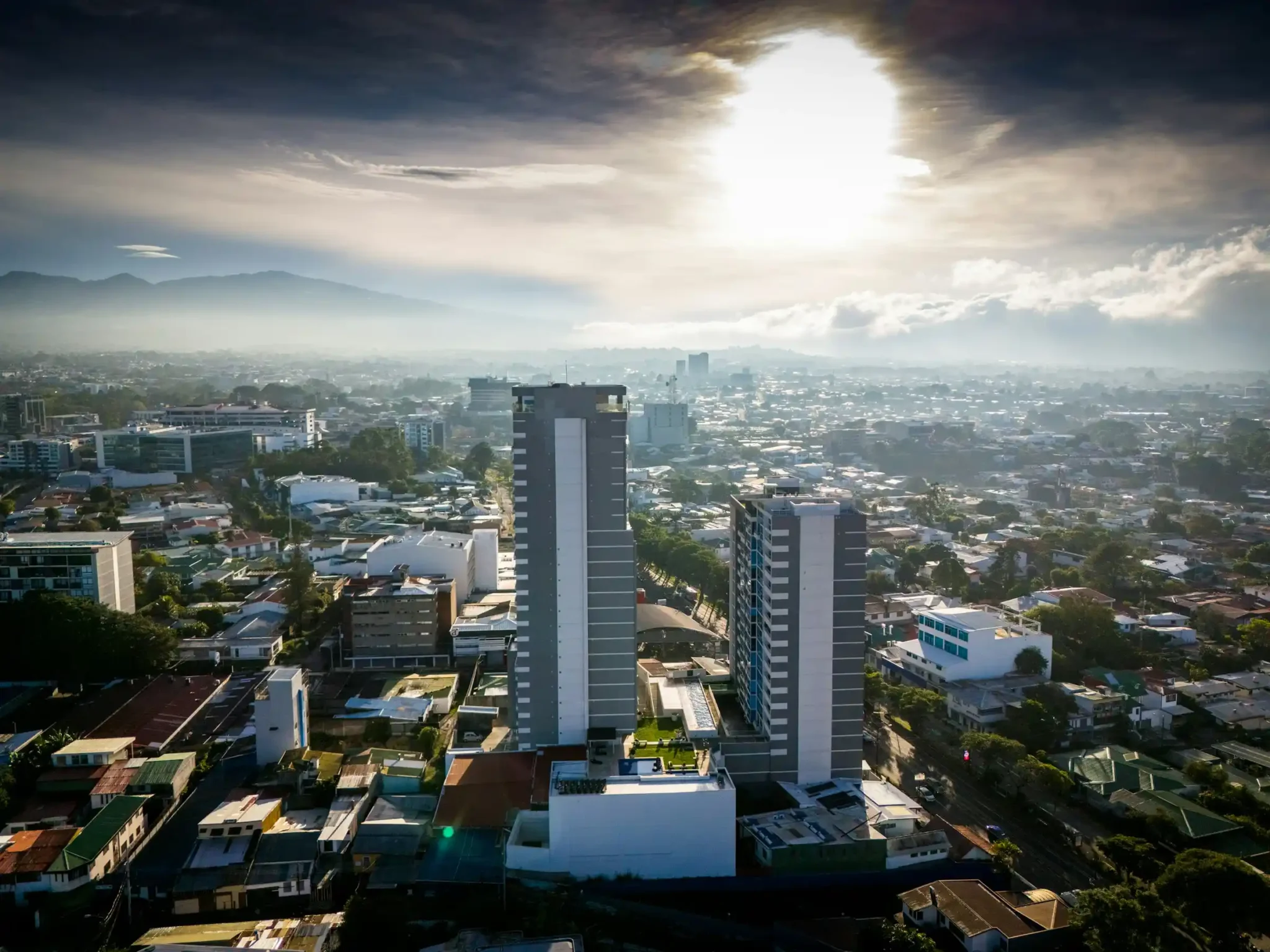
Most trips begin and end in San José, the capital, set in the temperate Central Valley. It is more a gateway than a destination, but it is worth a day: the Pre-Columbian Gold Museum, the National Theatre, and the Central Market give a feel for the country beyond its beaches.
The Central Valley’s real draw is the ring of volcanoes within day-trip range – Poás and Irazú both have drivable crater rims, and the surrounding highlands grow much of Costa Rica’s coffee. If you have a spare day before flying out, this is the place to use it.
How to combine them
Sample routes by trip length
- 7 days (first-timer): La Fortuna → Monteverde → Manuel Antonio. The classic loop – volcano, cloud forest, beach.
- 10 days: Add Guanacaste beaches after Monteverde, or swap Manuel Antonio for the quieter south Pacific.
- 14 days: Add the Osa Peninsula for serious wildlife, or the Caribbean coast for a change of culture and pace.
Costa Rica rewards going slow. Two or three regions done well beats five done in a blur, especially given the driving times. If you are travelling alone, our solo travel tips cover how to plan a route like this.
Frequently asked questions
What is the best place to visit in Costa Rica for first-timers?
The classic first-timer route links La Fortuna (Arenal Volcano), Monteverde cloud forest, and Manuel Antonio National Park – a volcano, a rainforest, and a beach in one trip, all connected by manageable drives.
What are the must-see places in Costa Rica?
Arenal Volcano and La Fortuna, the Monteverde cloud forest, and Manuel Antonio National Park are the three most-visited highlights. For wildlife, add Corcovado on the Osa Peninsula or Tortuguero on the Caribbean.
How many days do you need in Costa Rica?
Seven days is enough for the classic three-region loop. Ten to fourteen days lets you add the Guanacaste beaches, the remote Osa Peninsula, or the Caribbean coast without rushing.
What is the most beautiful part of Costa Rica?
Opinions differ, but the Osa Peninsula’s untouched rainforest and the area around Arenal Volcano are the usual favourites. For beaches, the Guanacaste coast and the south Pacific around Uvita are the most striking.
Is San José worth visiting?
As a destination, briefly – a day is enough for its museums and markets. Its real value is as a gateway and a base for day trips to the Poás and Irazú crater volcanoes in the surrounding Central Valley.