June sits in a sweet spot. Europe’s summer crowds have not peaked yet. Southeast Asia’s dry season is in full swing. East Africa’s Great Migration is underway. Flights and hotels cost less than they will in July and August, and the weather across most of the Northern Hemisphere is warm without being punishing.
This guide covers 15 destinations that are specifically worth visiting in June — not because they are popular year-round, but because June is when conditions, pricing, and crowds align in your favour. Each entry includes weather data, daily budget estimates, and the one thing that makes June the right month to go.
At a glance
| Destination | Avg. high (°C) | Budget per day (USD) | Best for |
|---|---|---|---|
| Iceland | 13°C | $200–280 | Midnight sun, whale watching |
| Norway | 18°C | $180–250 | Fjords, hiking, endless daylight |
| Greece | 30°C | $80–140 | Islands before peak crowds |
| Croatia | 27°C | $70–130 | Coastline, old towns, ferries |
| Switzerland | 22°C | $180–260 | Alpine trails, lakes, trains |
| Scotland | 17°C | $100–170 | Highlands, whisky, 18-hour days |
| Turkey | 30°C | $50–90 | Cappadocia, coast, value |
| Peru | 20°C | $40–80 | Dry season, Machu Picchu |
| Kenya | 25°C | $100–200 | Great Migration begins |
| Morocco | 33°C | $40–80 | Medinas, desert, coast |
| Japan | 26°C | $100–170 | Hydrangeas, fewer tourists |
| Bali | 30°C | $35–70 | Dry season, surf, temples |
| Banff, Canada | 20°C | $120–200 | Turquoise lakes, wildlife |
| Zanzibar | 29°C | $50–100 | Dry season, beaches, spices |
| Costa Rica | 27°C | $60–120 | Green season, fewer crowds |
Iceland
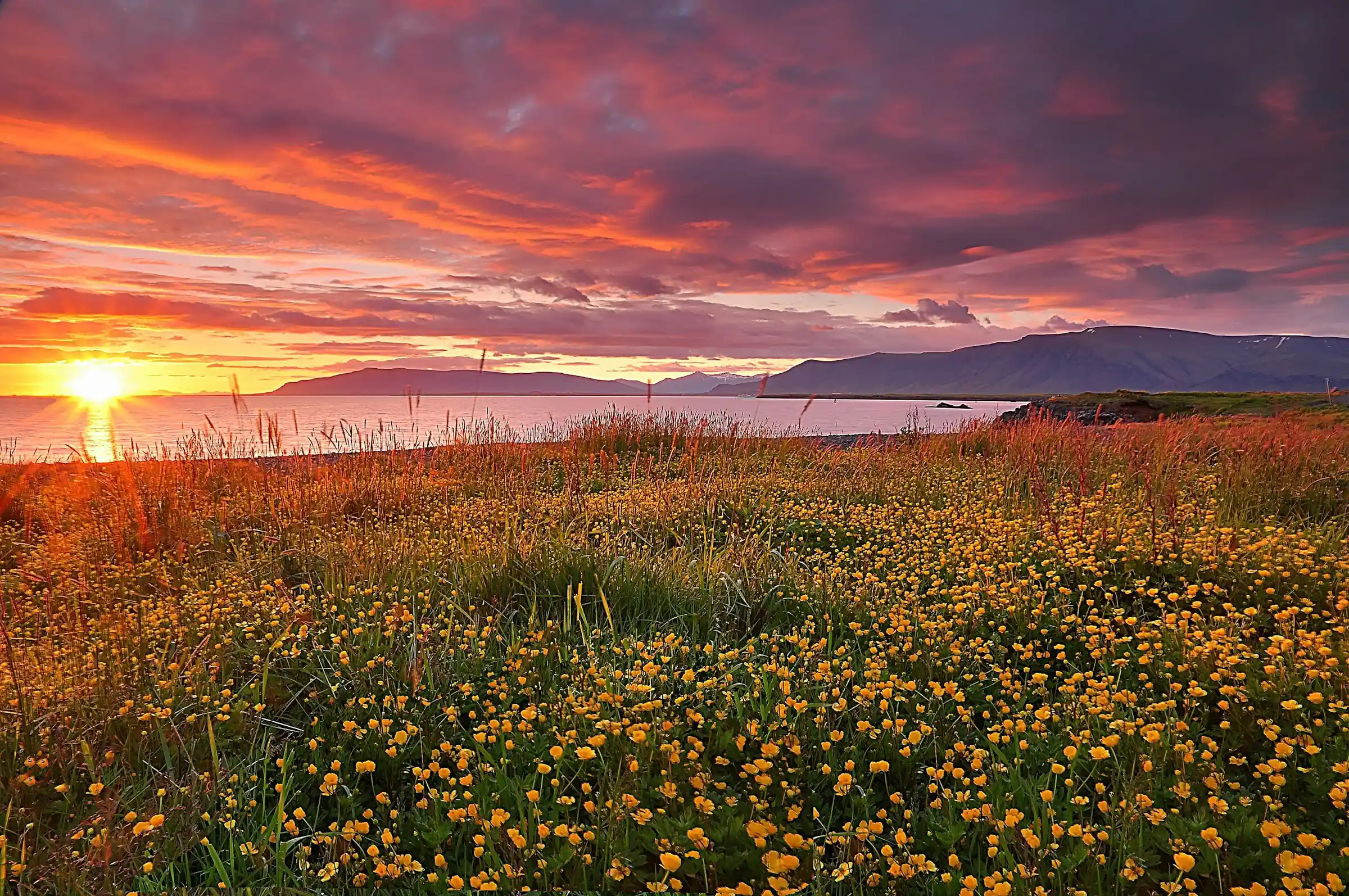
June is the only month when Iceland gets close to 24 hours of daylight. The sun barely sets — it dips below the horizon around midnight and rises again by 3 a.m. This changes everything: you can drive the Ring Road at 11 p.m. in full daylight, hike Landmannalaugar without a headlamp, and photograph Kirkjufell without crowds because everyone else is asleep.
Whale watching peaks in June. Húsavík and Akureyri report the highest sighting rates of the year, with humpbacks, minkes, and occasionally blue whales feeding in the nutrient-rich waters. Puffins arrive on the Westman Islands and Látrabjarg cliffs in late May and stay through early August — June is the sweet spot before the colonies get overwhelmed by tourists.
Temperatures average 10 to 15°C. Pack layers and a waterproof jacket. June is also when the highland interior roads (F-roads) start opening, giving access to Askja, Kerlingarfjöll, and Thorsmork. Rental 4x4s book out months ahead for June — reserve early.
Budget: Iceland is expensive. Expect $200 to $280 per day for a mid-range trip (rental car, guesthouse, self-catering with occasional restaurant meals). Camping drops the cost to $120 to $160.
Norway
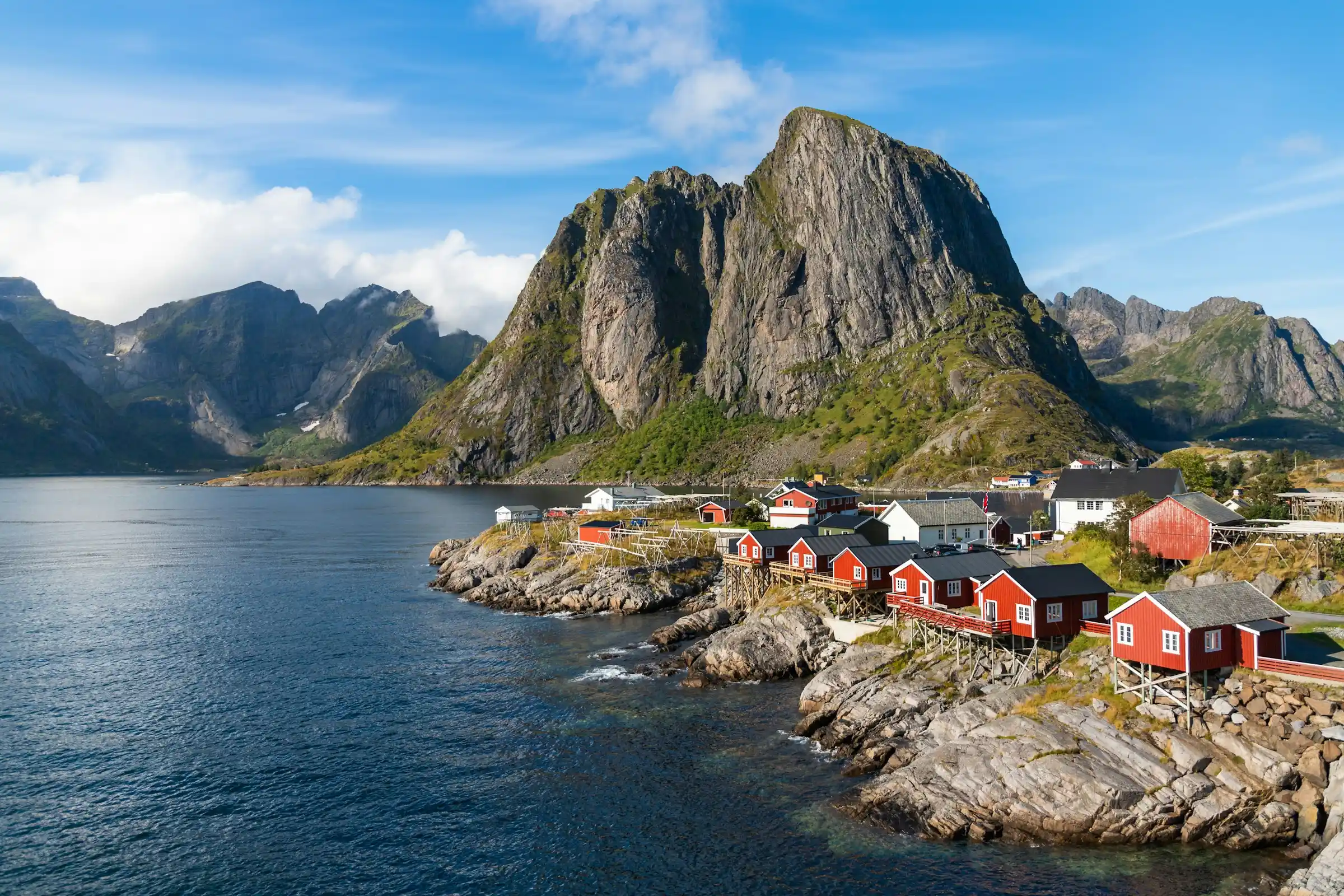
The fjords are at their best in June. Waterfalls fed by snowmelt pour down the cliff faces of Geirangerfjord and Nærøyfjord. The Trolltunga, Preikestolen, and Kjeragbolten hikes are all accessible, and the trails are in good condition before the July foot traffic wears them down.
Above the Arctic Circle, the midnight sun is a full 24-hour phenomenon. Tromsø, the Lofoten Islands, and Nordkapp do not see darkness from late May to mid-July. The Lofoten in June offers midnight sun reflections on still fjord water — a landscape that photographers travel thousands of miles for.
Bergen, the gateway to the fjords, averages 18°C highs in June with roughly 15 days of rain. Bring waterproofs. Oslo is warmer and drier, with outdoor dining, park life, and the Munch Museum without winter queues.
Budget: $180 to $250 per day mid-range. Norway in June runs 10 to 15 percent cheaper than July, when Scandinavian school holidays begin and domestic tourism spikes.
Greece
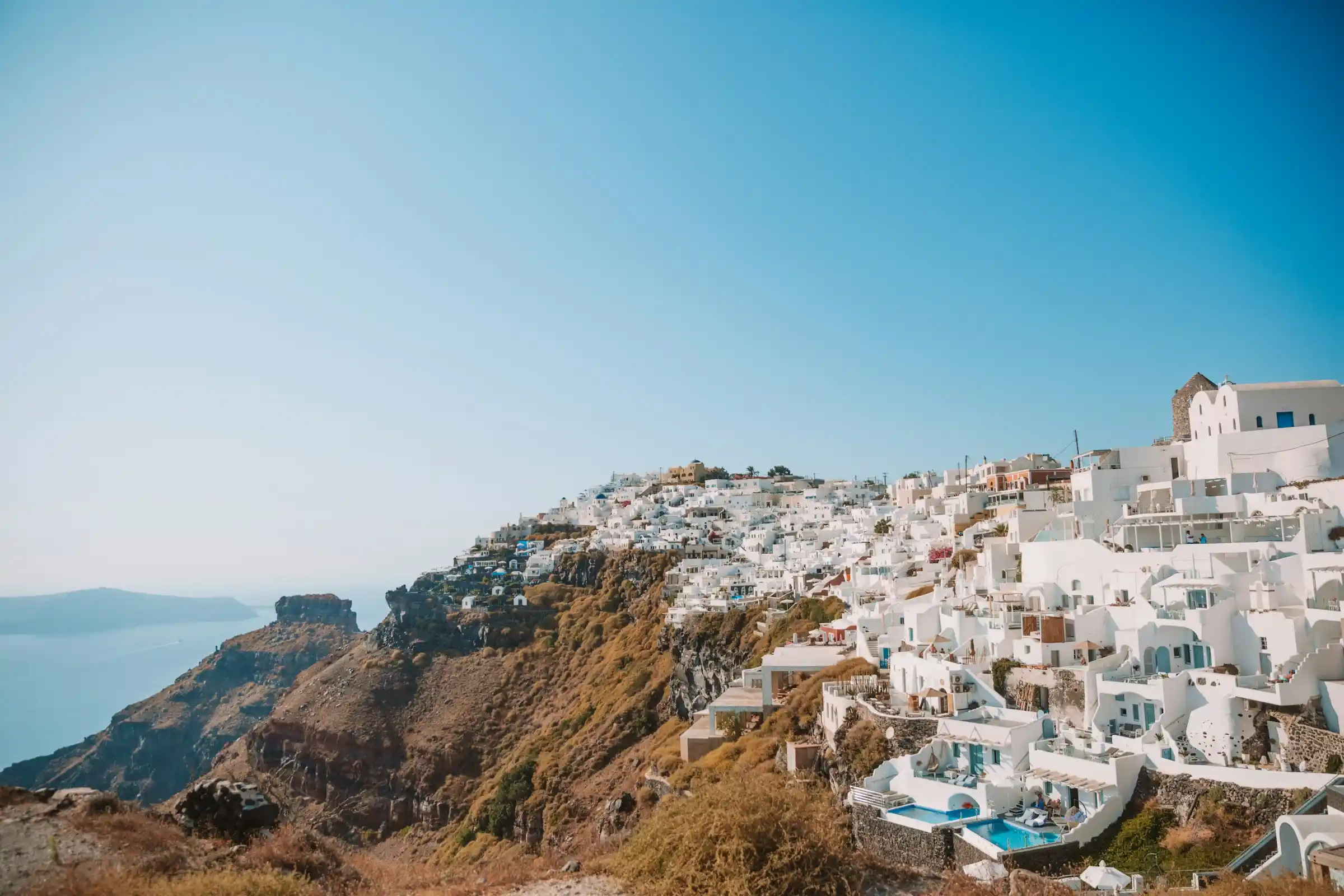
June is the last month before the Cyclades, Crete, and the Dodecanese get uncomfortably crowded. Temperatures sit in the high 20s to low 30s — warm enough for swimming, cool enough for sightseeing. Santorini’s caldera views come without the August traffic that turns its footpaths into queues. Milos, an increasingly popular alternative to Santorini, still has empty beaches in the first half of June.
The sea temperature reaches 22 to 24°C by mid-June — comfortable for extended swims. Island-hopping by ferry is straightforward: services run frequently between Mykonos, Paros, Naxos, and the smaller islands, and June schedules are more reliable than shoulder-season ones.
Athens in June averages 32°C. Visit the Acropolis early morning or late afternoon. The Acropolis Museum, National Archaeological Museum, and the Plaka neighbourhood are all walkable.
Budget: $80 to $140 per day. Greek islands are 20 to 30 percent cheaper in June than in July and August. Ferries, mid-range hotels, and taverna meals represent strong value compared to Western European alternatives.
Croatia
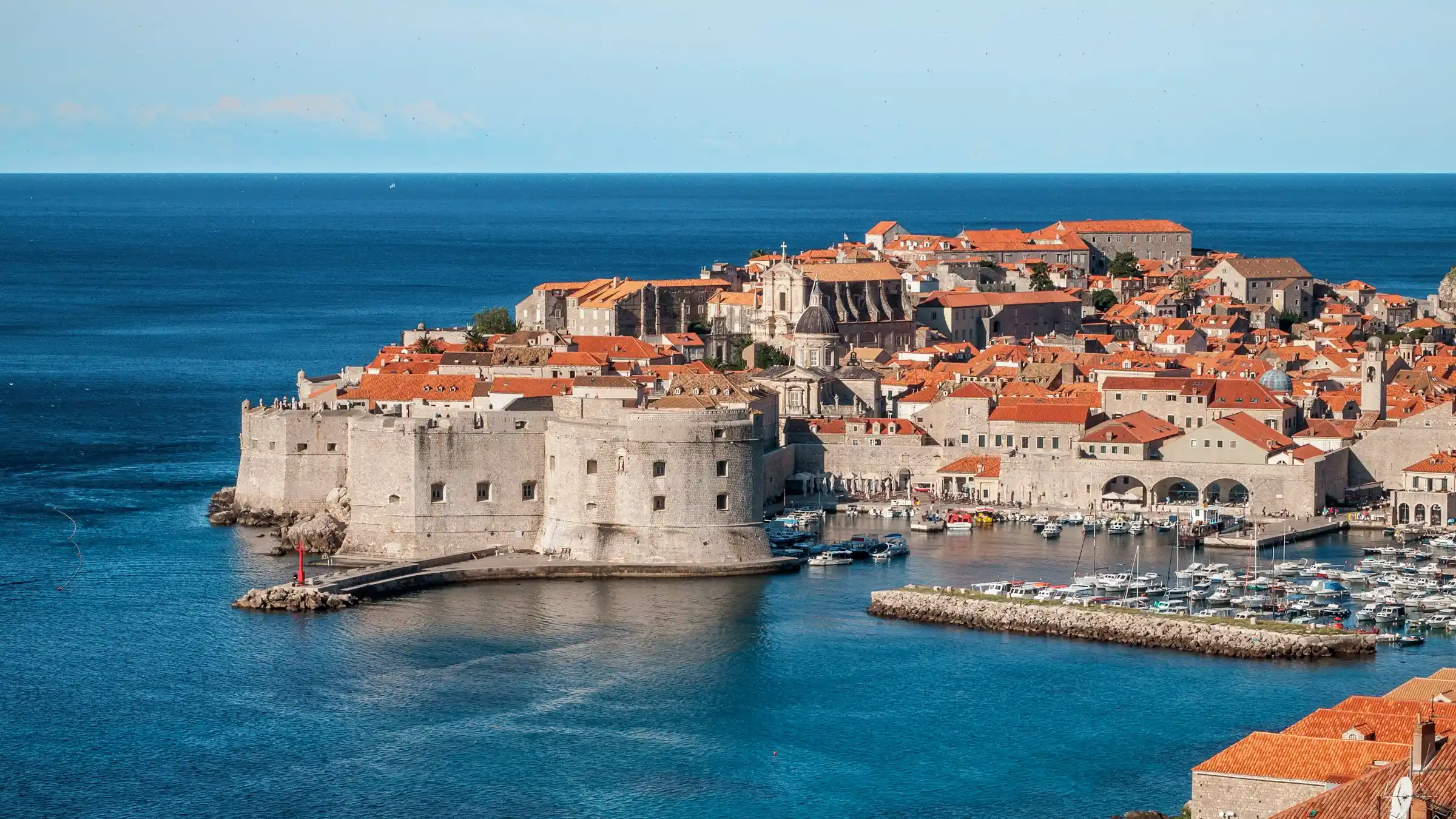
Dubrovnik in July and August is wall-to-wall cruise passengers. Dubrovnik in June is 30 percent quieter, according to the city’s own tourism data. The old town’s limestone streets are warm underfoot, the Adriatic is swimmable, and you can walk the city walls without stopping every ten metres for a selfie stick.
Split, Hvar, Brač, and Korčula are all in prime condition. Plitvice Lakes National Park — often a victim of over-tourism in peak summer — is manageable in June, especially on weekday mornings. The waterfalls are still strong from spring rain, and the boardwalks are not yet slippery with foot traffic.
The Istrian coast (Rovinj, Pula, Poreč) combines Italian-influenced food, Roman ruins, and clear water with prices well below Italy’s Adriatic coast.
Budget: $70 to $130 per day. Croatia offers better value than Greece for comparable scenery and infrastructure, especially in Istria and on the mainland coast.
Switzerland
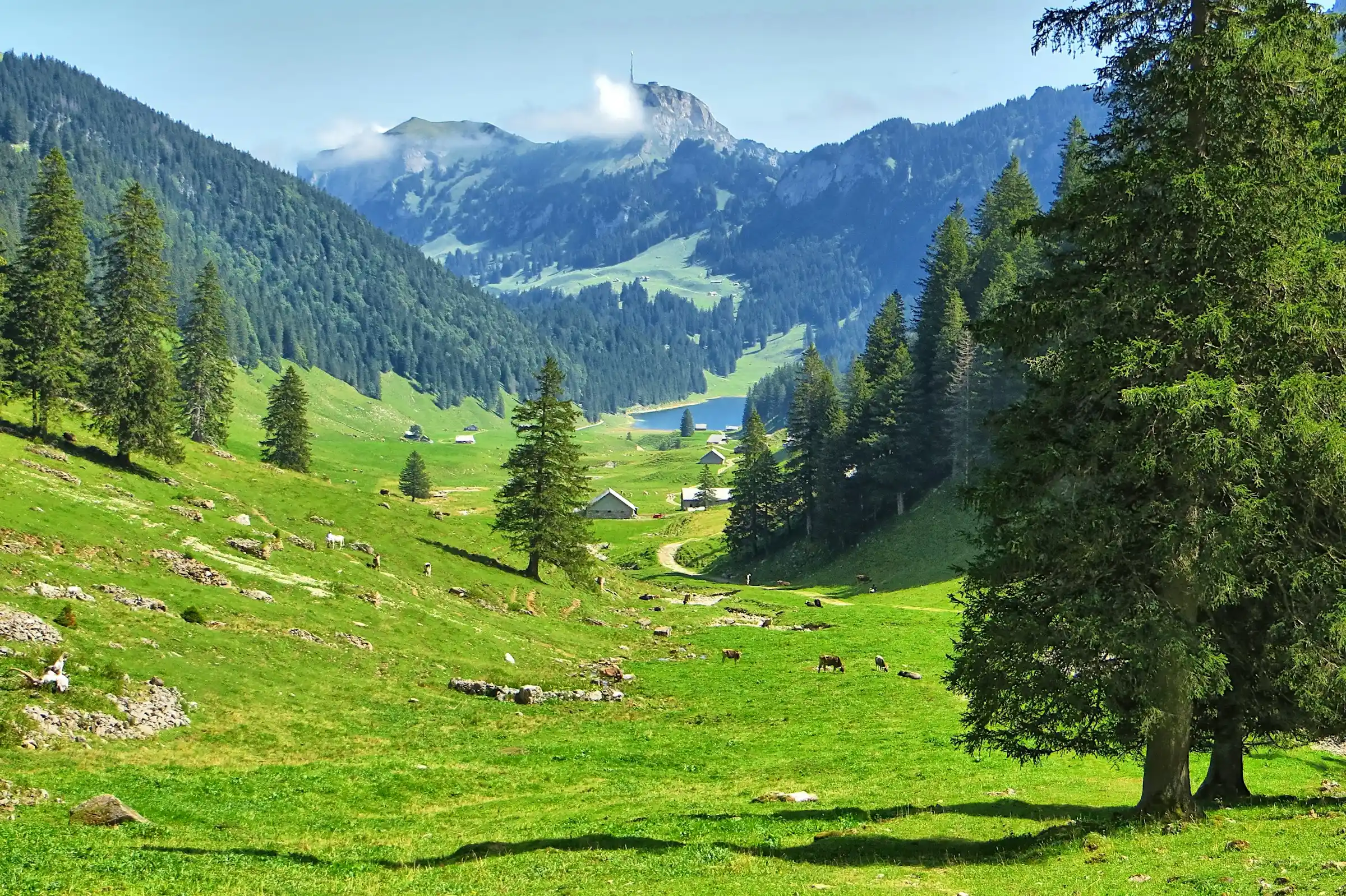
The high alpine trails open in June. The snow line retreats above 2,500 metres, and the mountain huts (SAC hütten) open for the season. The Eiger Trail, the Haute Route’s lower sections, and the Bernese Oberland valley walks are all accessible. Wildflowers cover the meadows — the Lauterbrunnen Valley in June looks like a postcard that someone oversaturated, except it actually looks like that.
Lake Geneva, Lake Lucerne, and Lake Zurich are warm enough for swimming by late June. The Swiss Travel Pass gives unlimited access to trains, boats, and buses — and June’s longer days mean more time to use it.
Temperatures vary sharply with altitude: Zurich hits 22 to 25°C while Zermatt at 1,600 metres sits around 15°C. Jungfraujoch (3,454 metres) stays below freezing year-round.
Budget: $180 to $260 per day. Switzerland is not cheap, but June avoids the July premium and the Swiss Travel Pass reduces transport costs significantly.
Scotland
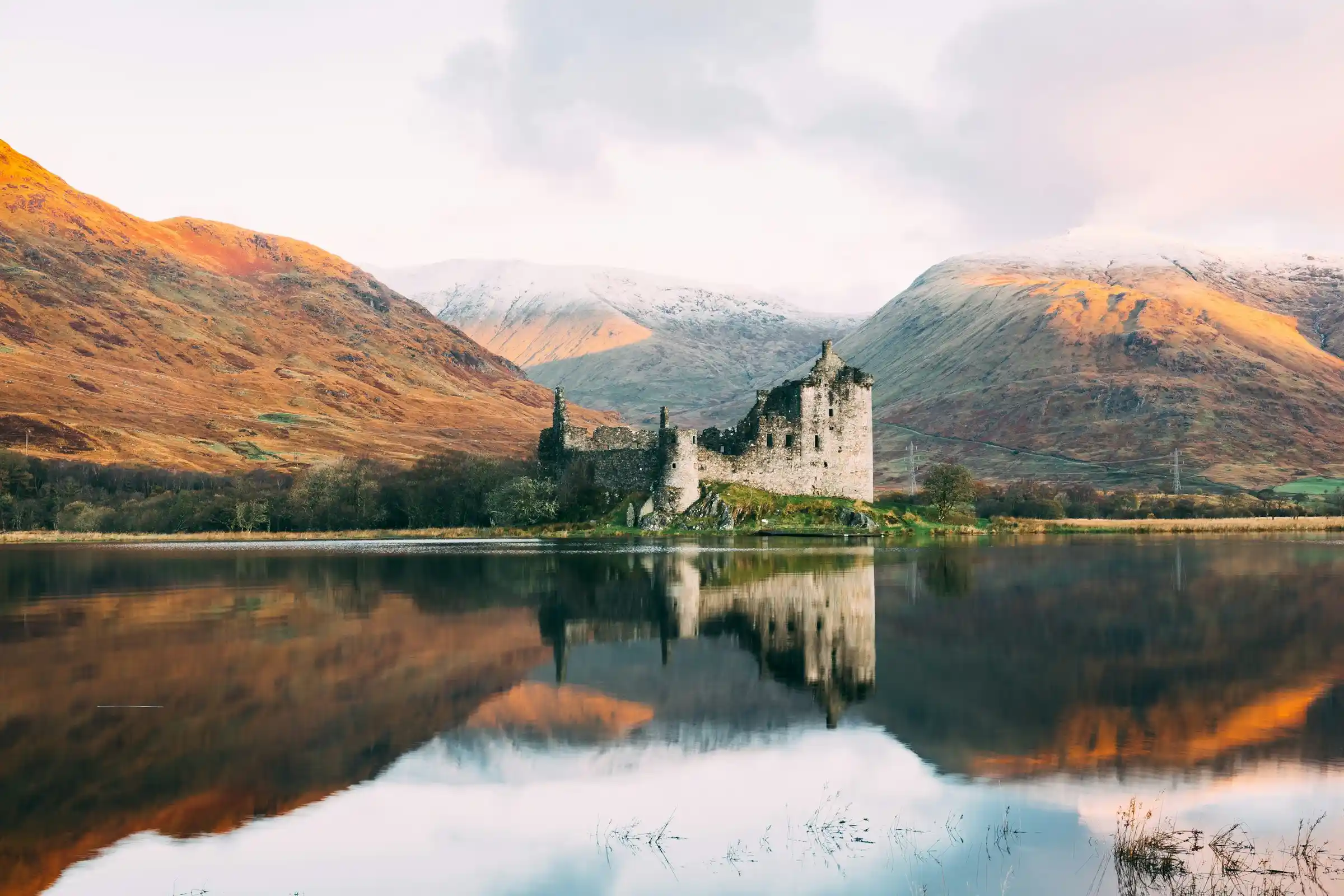
Scotland’s longest days fall in June — up to 18 hours of daylight. The Highlands are green, the midges have not yet reached their August swarm peak, and the weather, while never guaranteed, is statistically the driest and warmest it gets.
The Isle of Skye, the North Coast 500 driving route, and the Cairngorms are all at their most accessible. Loch Ness, Glencoe, and the Jacobite steam train (the real-life Hogwarts Express) run full schedules. Edinburgh, while not yet in Festival mode (that is August), offers castle tours, Arthur’s Seat hikes, and whisky tastings without the premium pricing.
The west coast averages 16 to 18°C with regular rain. The east coast (Edinburgh, St Andrews) is drier. Pack a waterproof regardless.
Budget: $100 to $170 per day. Scotland runs cheaper than England for equivalent quality of accommodation and food. Whisky distillery tours average £12 to £20.
Turkey
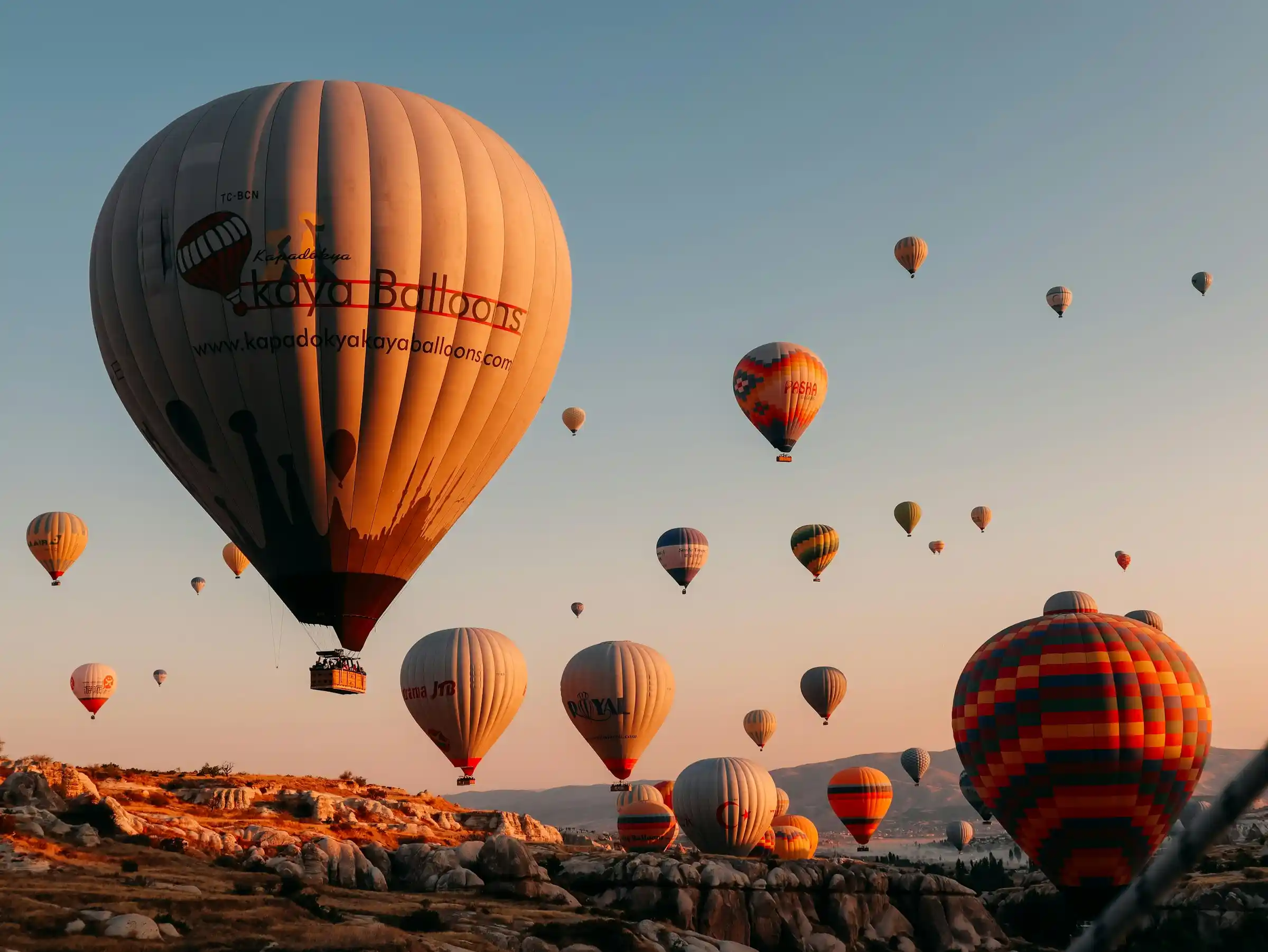
June is ideal for Turkey. Istanbul hits 27 to 30°C — warm but not the 35°C+ that makes August sightseeing miserable. Cappadocia’s hot air balloons fly in calm morning air, and the rock churches and underground cities of Göreme are comfortable to explore. The Turquoise Coast (Fethiye, Kaş, Antalya) has warm sea temperatures and prices that look like a rounding error compared to the Greek islands.
Turkey is one of the strongest value destinations in the Mediterranean. A sit-down meal with drinks costs $8 to $15. A night in a boutique cave hotel in Cappadocia runs $60 to $120. An internal flight from Istanbul to Antalya costs $30 to $50.
UAE residents can enter Turkey visa-free for up to 90 days. British, American, and most European passport holders need an e-visa ($50, processed in minutes).
Budget: $50 to $90 per day. Among the best value-for-money destinations on this list.
Peru
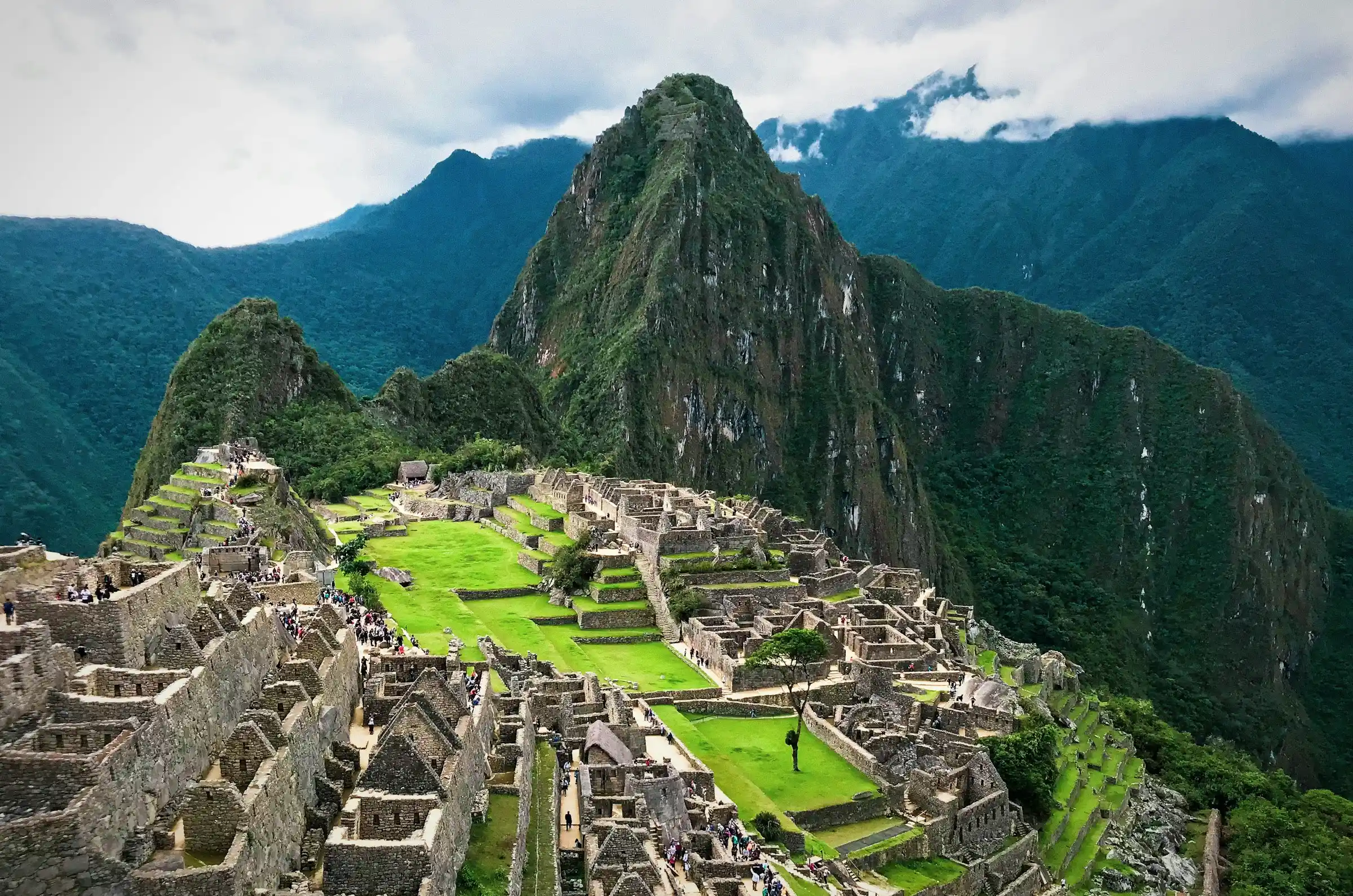
June marks the start of Peru’s dry season in the Andes. This is the optimal month for the Inca Trail, the Salkantay Trek, and visiting Machu Picchu. Skies are clear, temperatures are cool (15 to 20°C at altitude), and rainfall drops to near zero. The trade-off: Inca Trail permits for June sell out months in advance. Book at least four to six months ahead.
Cusco is the base for most travelers. At 3,400 metres, it takes a day or two to acclimatise. The Sacred Valley (Ollantaytambo, Pisac, Moray) sits lower and makes a good first stop. Lima’s food scene — consistently ranked among the best in the world — deserves at least two days.
The Amazon basin around Puerto Maldonado and Iquitos is entering its dry season too, making jungle lodges more accessible and wildlife easier to spot along shrinking waterways.
Budget: $40 to $80 per day excluding the Inca Trail permit ($200 to $600 depending on the operator and route).
Kenya
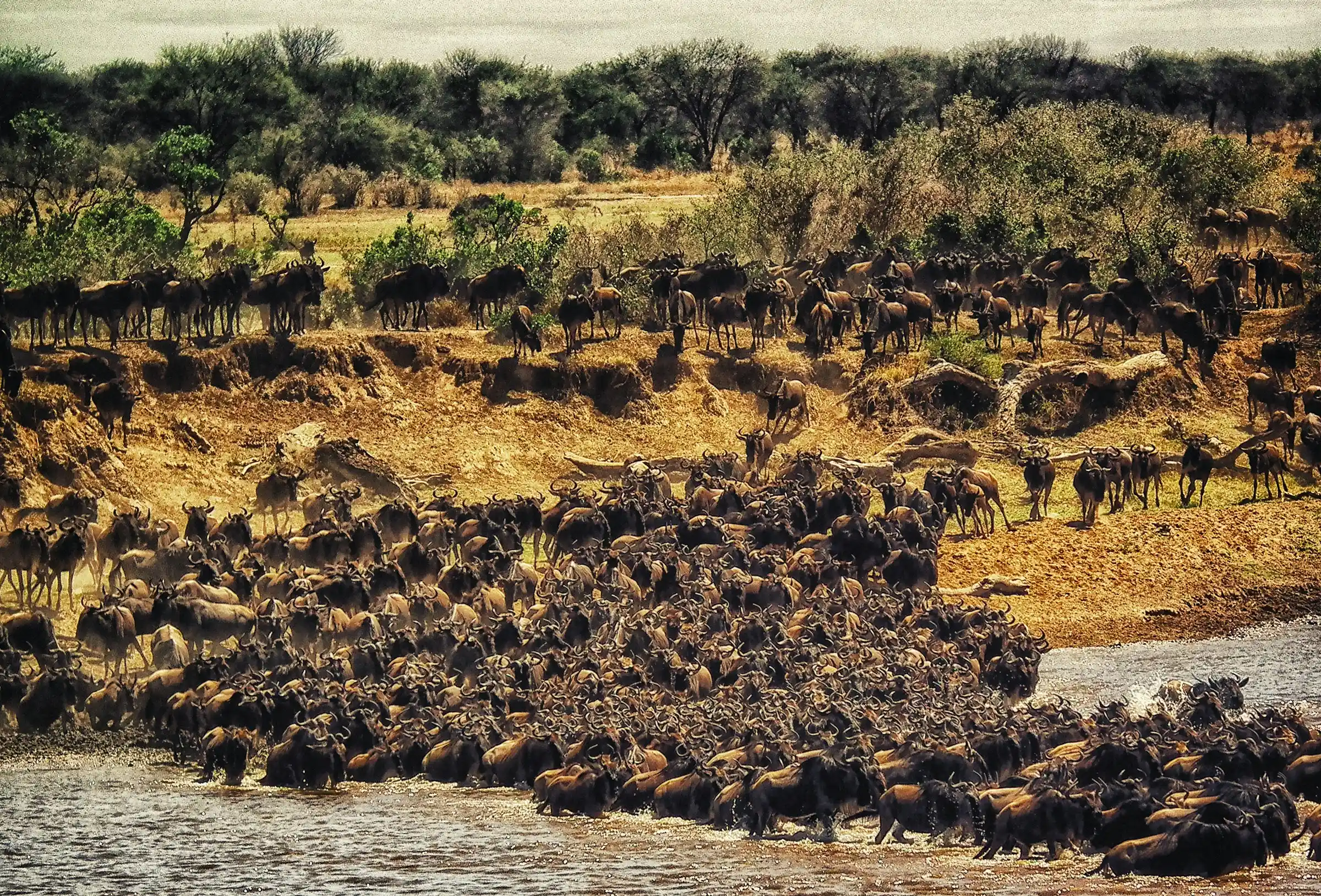
The Great Migration is the largest overland animal movement on earth: roughly 1.5 million wildebeest, 200,000 zebras, and 350,000 gazelles crossing the Serengeti-Mara ecosystem. In June, the herds are moving north through Tanzania’s Serengeti toward the Masai Mara. By late June to early July, the first crossings of the Mara River begin — one of the most dramatic wildlife events on the planet.
June is also the tail end of Kenya’s long rainy season, so prices are lower than the July-to-October peak. Lodges and camps in the Masai Mara offer “green season” rates that can be 30 to 40 percent below peak. The landscape is lush and green, and the predator activity around the early migration herds is intense.
Amboseli (for Kilimanjaro views and elephants) and Samburu (for rare northern species) are also excellent in June. Nairobi makes a practical base with direct flights from Dubai, London, and Amsterdam.
Budget: $100 to $200 per day for a mid-range safari (camp, game drives, meals). Budget options exist from $60 per day; luxury camps start at $500+.
Morocco
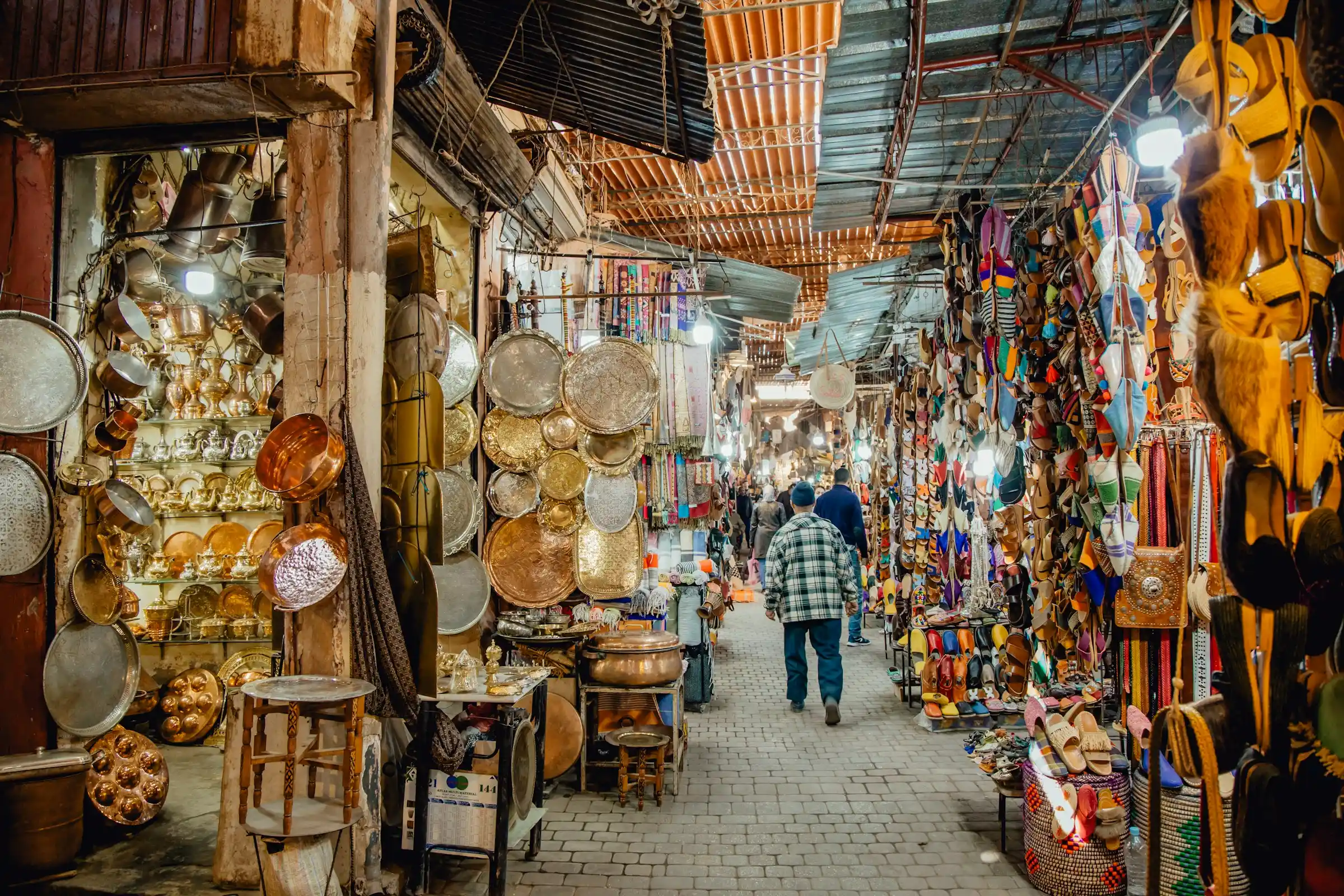
June in Morocco is warm but manageable — Marrakech averages 33°C, Fez 32°C, and the coast (Essaouira, Agadir) stays in the mid-20s with Atlantic breezes. It is the last comfortable month before July and August push inland cities above 40°C.
The medinas, souks, and riads that define the Moroccan experience are all at their best: warm enough for rooftop dinners, not so hot that walking becomes a chore. The Atlas Mountains offer trekking with clear skies and wildflowers. Chefchaouen’s blue streets photograph beautifully in June’s strong, angled light.
If you are planning a trip, read our Morocco safety guide and our 5, 7, and 10-day Morocco itinerary for route planning. Day trips from Marrakech — including Ouzoud Falls, Ait Benhaddou, and the Ourika Valley — are all excellent in June.
Budget: $40 to $80 per day. Morocco is outstanding value. A night in a traditional riad costs $30 to $80. A full tagine dinner runs $5 to $12.
Japan
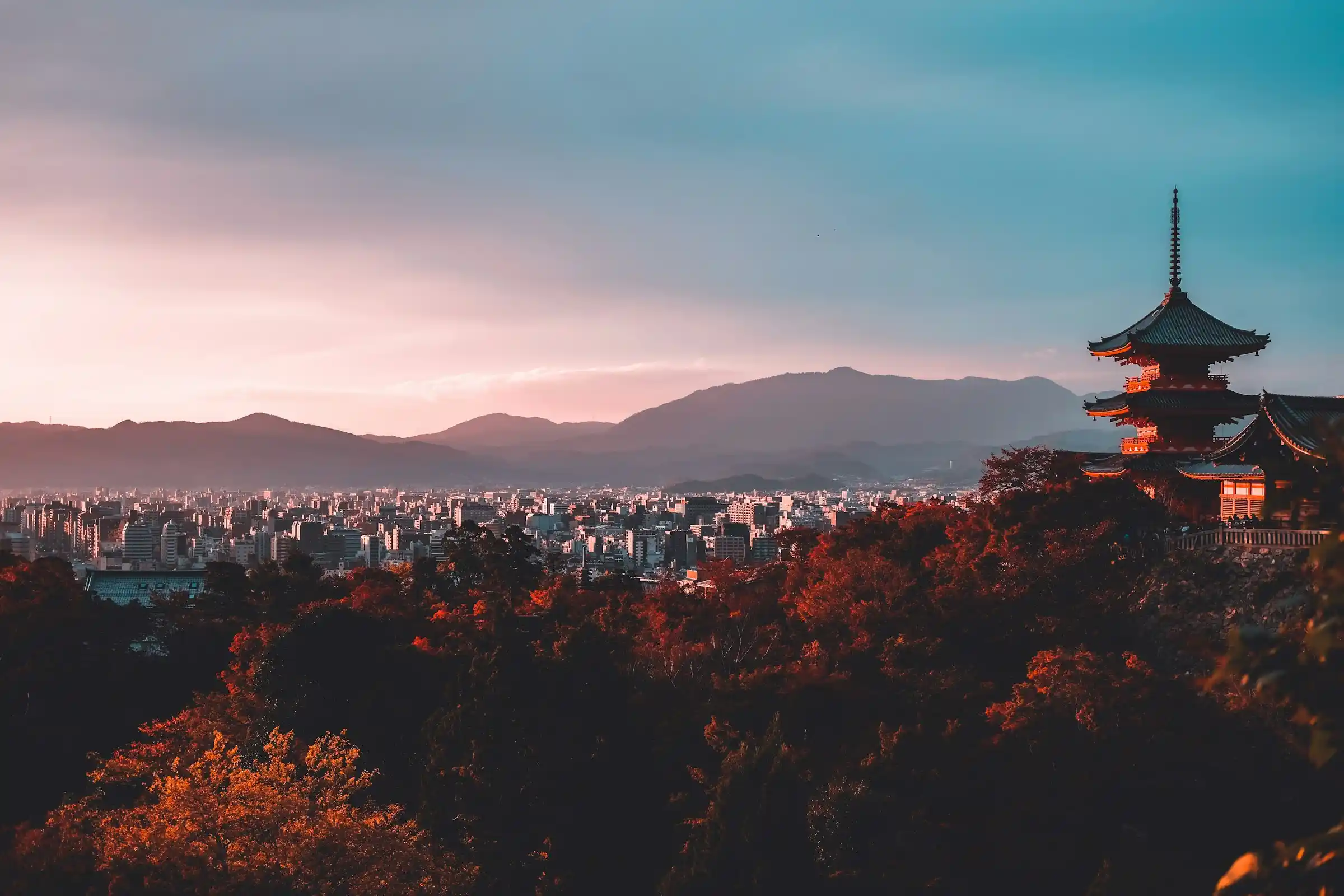
June is Japan’s rainy season (tsuyu) across most of Honshu, which keeps tourist numbers down and prices 15 to 20 percent below the cherry blossom (April) and autumn leaf (November) peaks. The rain is not constant — it comes in bursts, often in the afternoon, and the rest of the day is humid but clear.
This is hydrangea season. Meigetsuin Temple in Kamakura, Hase-dera, and the shrines of Nara are surrounded by thousands of blooming hydrangeas. Kyoto’s moss gardens (Gio-ji, Saihō-ji) look their best in the damp air. Hokkaido — Japan’s northern island — largely skips tsuyu and offers lavender fields, hiking in Daisetsuzan, and seafood markets in Hakodate.
For timing your visit around weather patterns, see our month-by-month Japan guide.
Budget: $100 to $170 per day. The weak yen (as of 2026) makes Japan significantly cheaper than it was five years ago for visitors paying in dollars, euros, or dirhams.
Bali, Indonesia
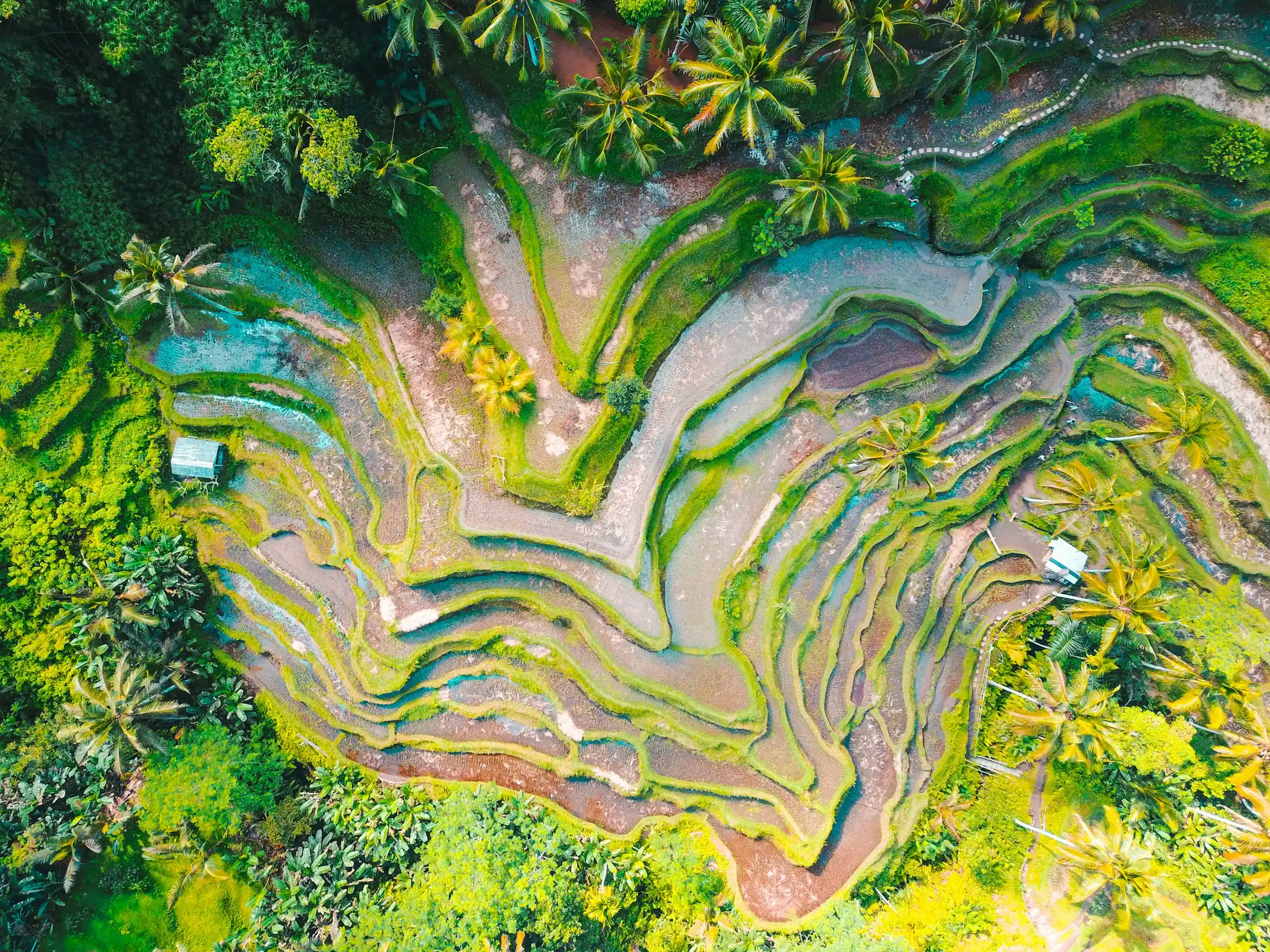
June is the heart of Bali’s dry season. Rain is rare, humidity drops to manageable levels, and the surf breaks along the Bukit Peninsula (Uluwatu, Padang Padang) fire consistently. It is the best month for first-time visitors who want reliable weather without the peak-season crowds and prices of July and August.
Ubud — rice terraces, temples, and monkey forests — is comfortable in June. Tegallalang and Jatiluwih rice terraces are green from the previous wet season’s growth. The Sidemen Valley, a quieter alternative to Ubud, offers the same landscapes without the Instagram queues.
Nusa Penida, Nusa Lembongan, and the Gili Islands are all accessible by fast boat from Bali and are at their clearest for snorkelling and diving in June. Manta ray sightings at Manta Point peak during the dry season.
Budget: $35 to $70 per day. Bali remains one of the cheapest quality destinations in the world. A private villa with a pool costs $40 to $80 per night. A meal at a local warung costs $2 to $5.
Banff, Canada
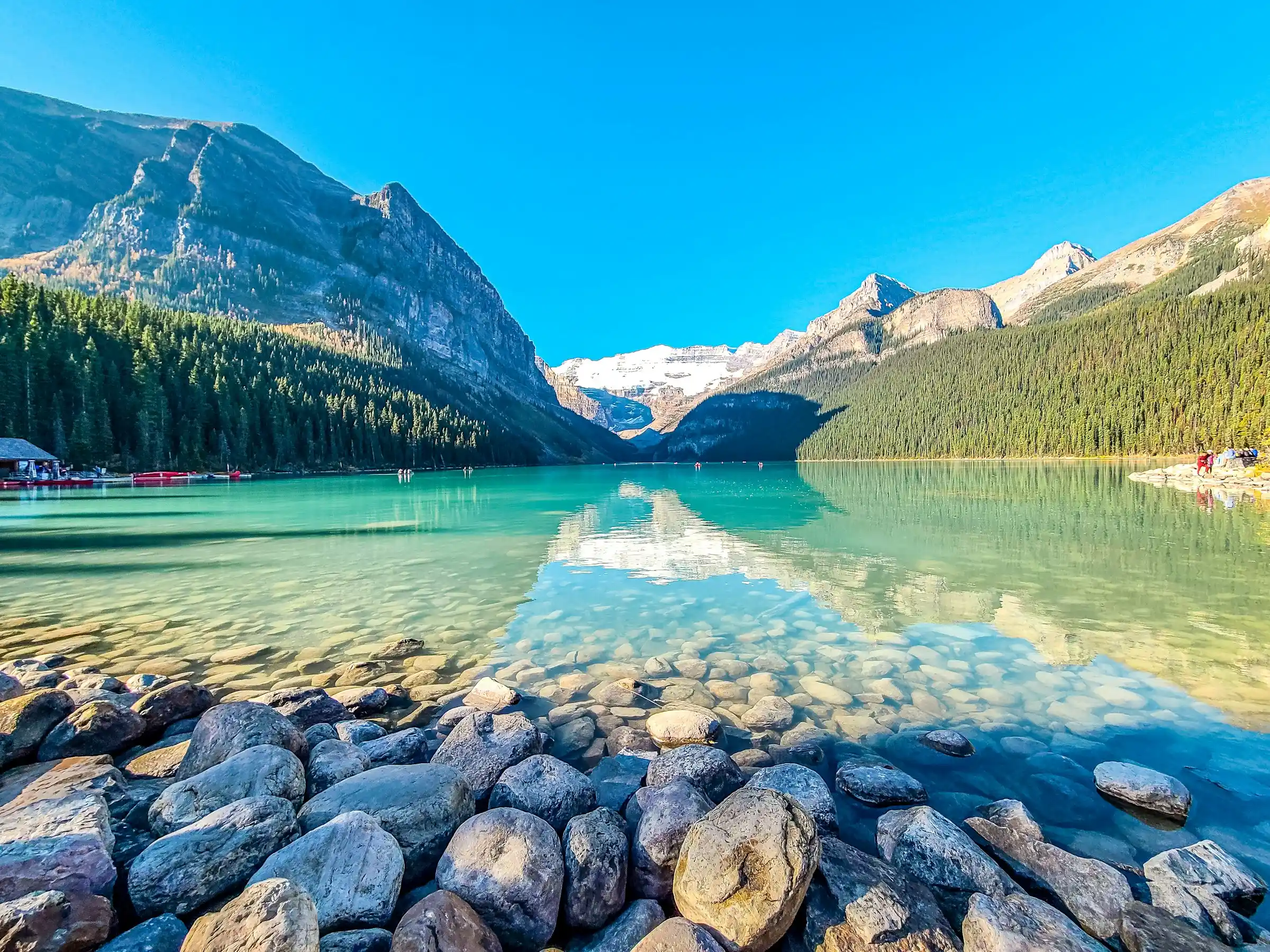
The turquoise lakes that define the Canadian Rockies start thawing in June. Lake Louise, Moraine Lake, and Peyto Lake shift from frozen white to their famous glacial blue as snowmelt feeds mineral-rich water into the basins. By mid-June, most are fully thawed and accessible without ice cleats.
The Icefields Parkway — the 230-kilometre road from Lake Louise to Jasper — is one of the world’s great drives. June offers clear sightlines, fewer RVs than July, and a good chance of spotting bears, elk, and mountain goats along the roadside. Things to do in Banff extend well beyond the lakes: Johnston Canyon, Sulphur Mountain gondola, and the hot springs are all open.
For planning around weather and lake conditions, see our Banff timing guide.
Budget: $120 to $200 per day. Accommodation in Banff town is the biggest cost — book early, as June fills fast.
Zanzibar
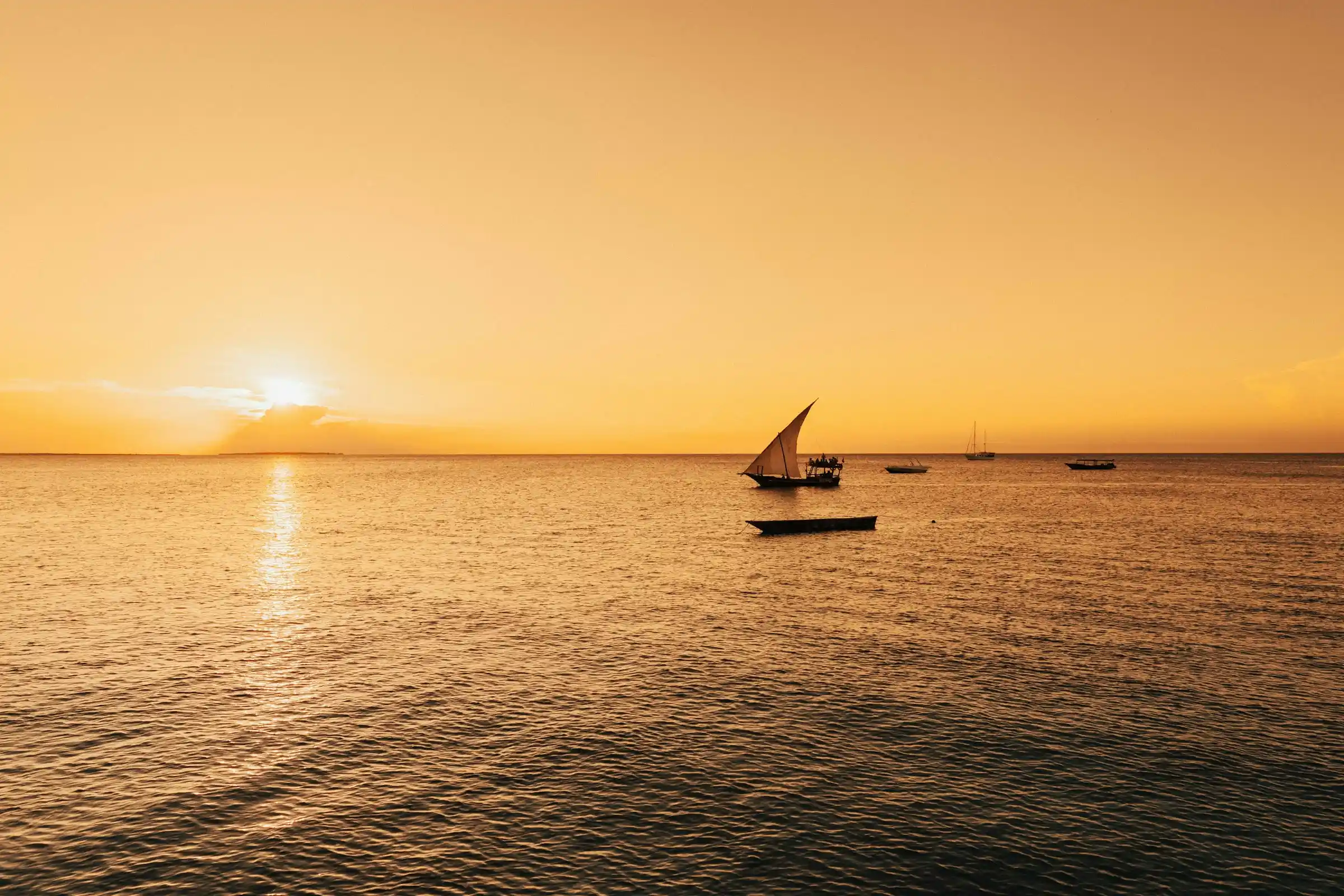
Zanzibar’s long rainy season ends in May, and June opens with dry skies, low humidity, and water visibility that makes the east coast reefs look like an aquarium. The beaches — Nungwi, Kendwa, Paje, Jambiani — are quiet compared to the December-to-February high season, and prices reflect it.
Stone Town’s narrow streets and spice markets are comfortable to explore without the crushing heat of January. The Jozani Forest (home to the endemic red colobus monkey) is lush from recent rain. Spice tours, prison island (giant tortoises), and sunset dhow cruises are all available at green-season rates.
Water temperature sits around 26°C — warm enough for long snorkelling sessions. Mnemba Atoll, off the northeast coast, offers some of the best reef diving in East Africa.
Budget: $50 to $100 per day. Zanzibar in June is roughly 25 percent cheaper than in peak season. Beachfront guesthouses start at $30 per night.
Costa Rica
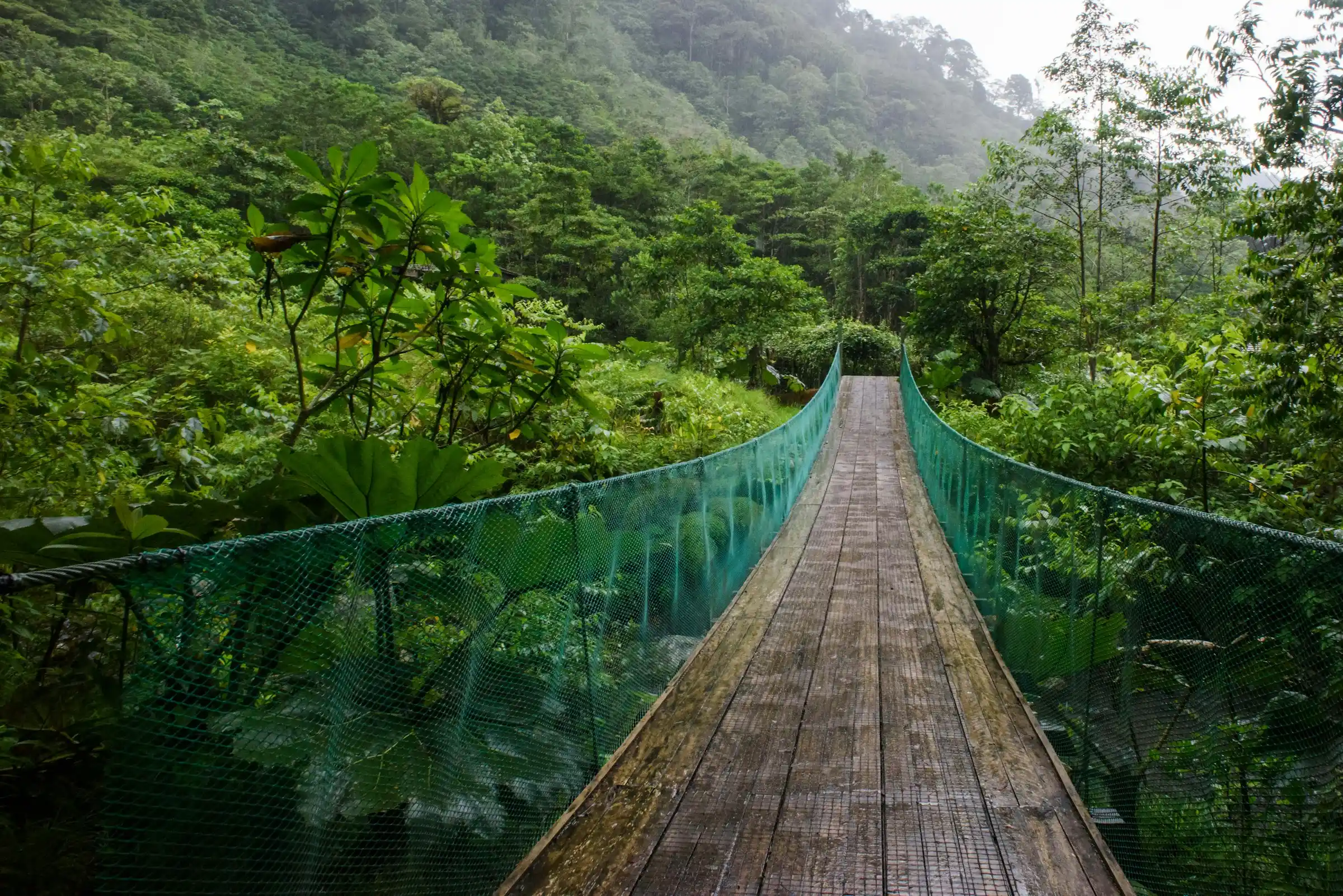
June is the start of Costa Rica’s “green season” — the wet season that locals consider the best-kept secret in Central American travel. Mornings are sunny. Rain comes in the afternoon, hard and fast, and stops. The rainforest looks its greenest, waterfalls run at full force, and national parks that feel overcrowded in December are half-empty.
The Pacific coast (Manuel Antonio, Guanacaste) gets more rain than the Caribbean side in June. Arenal Volcano, Monteverde Cloud Forest, and the Osa Peninsula are all at their most dramatic. Wildlife is easier to spot — animals congregate around water sources, and the canopy is alive with toucans, sloths, and howler monkeys.
For route planning, start with our guide to the best places to visit in Costa Rica and the month-by-month weather breakdown.
Budget: $60 to $120 per day. Green-season discounts of 20 to 40 percent on lodges and tours make June one of the most affordable months to visit.
How to choose
Start with what matters to you, not what is trending.
- Best value: Turkey, Morocco, Bali, and Peru offer the lowest daily costs with the highest quality of experience.
- Best for first-time international travelers: Greece, Croatia, and Costa Rica combine easy logistics with strong tourism infrastructure. Read our solo travel guide if you are going alone.
- Best for adventure: Iceland, Norway, Peru, and Banff offer the most physically active itineraries.
- Best for wildlife: Kenya (Great Migration), Bali (manta rays), and Costa Rica (rainforest species).
- Best for beaches: Zanzibar, Greece, Croatia, and Bali.
- Best for culture and food: Japan, Turkey, Morocco, and Peru.
If you are watching your budget, see our broader list of affordable travel destinations for year-round options. And make sure your travel insurance covers your planned activities — adventure sports and safari excursions are not always included in basic policies.
Frequently asked questions
Where is the cheapest place to travel in June?
Bali, Indonesia is the cheapest destination on this list at $35 to $70 per day including accommodation, food, and activities. Turkey ($50 to $90) and Morocco ($40 to $80) are close behind and offer more variety for slightly higher budgets. Peru is also excellent value outside of the Inca Trail permit cost.
Is June a good time to visit Europe?
June is one of the best months for Europe. Temperatures are warm but not extreme, crowds are below July and August peak levels, and prices — especially for flights and accommodation — run 15 to 25 percent lower than midsummer. Greece, Croatia, Switzerland, Scotland, and Turkey are all ideal in June.
What is the best tropical destination in June?
Bali and Zanzibar are both in their dry season in June, making them the strongest tropical options. Bali offers better value and more variety (surfing, temples, rice terraces, diving). Zanzibar is better for pure beach relaxation and East African culture. Costa Rica is tropical but expects afternoon rain in June — the trade-off is lower prices and greener landscapes.
Where should I go in June to avoid crowds?
Japan during rainy season has 20 to 30 percent fewer tourists than cherry blossom and autumn leaf peaks. Costa Rica’s green season is significantly quieter than its December-to-April high season. Kenya’s Masai Mara in June — just before peak migration viewing in July — offers lower lodge rates and fewer safari vehicles at sightings.
Is June too hot to visit Morocco?
No. June is warm (30 to 35°C in Marrakech and Fez) but not as extreme as July and August, when temperatures regularly exceed 40°C. The coast (Essaouira, Agadir) stays in the comfortable mid-20s. Early mornings and evenings are the best times for medina exploration. Our Morocco safety guide covers heat-related precautions.
What are the best European cities in June?
Istanbul offers the best combination of weather, culture, and value. Athens is ideal if combined with an island-hopping itinerary. Edinburgh offers long daylight hours and walkable history. Dubrovnik is at its best before July cruise-ship season. Zurich and Lucerne are gateways to the Alps with warm lake swimming by late June.
Can I see the Northern Lights in June?
No. June’s midnight sun means there is no darkness at high latitudes, so the Northern Lights are not visible. The aurora season runs from September to March. June in Iceland and Norway is about the midnight sun experience instead — a different but equally memorable natural phenomenon.
Do I need travel insurance for June trips?
Yes. June travel often includes outdoor activities (hiking, diving, safari) that carry higher risk than city sightseeing. Medical evacuation from remote locations — Iceland’s highlands, Kenya’s Masai Mara, Peru’s Inca Trail — can cost $50,000 or more without insurance. Read our guide on whether travel insurance is worth it and check visa-related insurance requirements for your destination.